
في خطوة تعكس حجم التحديات التي تواجه اليمن، وضع المسؤول اليمني البارز، الزنداني، ملفي الأمن وتوفير الخدمات الأساسية في صدارة أولوياته للمرحلة المقبلة. يأتي هذا الإعلان في وقت حرج تمر به البلاد، التي تعاني منذ سنوات من ويلات الحرب وتداعياتها الإنسانية والاقتصادية، مما يجعل هذه الوعود بارقة أمل للمواطنين الذين يتوقون لعودة الحياة إلى طبيعتها.
خلفية الصراع وتدهور الأوضاع
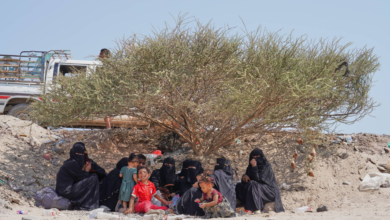
لم تكن أولويات الزنداني وليدة اللحظة، بل هي نتاج مباشر للوضع الكارثي الذي يعيشه اليمن منذ اندلاع الصراع في أواخر عام 2014. أدت الحرب إلى انهيار شبه كامل لمؤسسات الدولة، وانقسام البلاد بين سلطات متنافسة، مما خلق فراغاً أمنياً هائلاً. انتشرت الفوضى، وتصاعدت معدلات الجريمة، وأصبحت المدن الرئيسية مسرحاً للاقتتال وانعدام الاستقرار. على الصعيد الخدمي، تسبب الصراع في تدمير البنية التحتية الحيوية، فانقطعت إمدادات الكهرباء والمياه النظيفة عن ملايين السكان، وخرجت معظم المستشفيات والمدارس عن الخدمة، مما فاقم من أكبر أزمة إنسانية في العالم وفقاً لتقارير الأمم المتحدة.
أهمية التركيز على الأمن والخدمات
يُعد التركيز على هذين الملفين خطوة استراتيجية وضرورية لأي محاولة جادة لتحقيق الاستقرار. فالأمن هو حجر الزاوية الذي لا يمكن بدونه تحقيق أي تقدم. إن استعادة الأمن لا تعني فقط إنهاء الاقتتال، بل تشمل أيضاً بناء جهاز شرطة فعال، ومكافحة الجماعات المسلحة الخارجة عن القانون، وتأمين الطرق والمؤسسات العامة، وهو ما سيوفر بيئة آمنة للمدنيين ويشجع على عودة الأنشطة الاقتصادية والتجارية.
أما ملف الخدمات، فهو يلامس حياة كل مواطن بشكل مباشر. إن إعادة تأهيل شبكات الكهرباء والمياه، وضمان وصول الرعاية الصحية، وإعادة فتح المدارس، وصرف رواتب الموظفين الحكوميين بانتظام، هي خطوات أساسية لتخفيف المعاناة الإنسانية واستعادة ثقة المواطن في مؤسسات الدولة. كما أن توفير الخدمات يقلل من الاعتماد على المساعدات الإنسانية الخارجية على المدى الطويل ويمهد الطريق نحو التعافي الاقتصادي.
التأثير المتوقع محلياً ودولياً
على الصعيد المحلي، يمكن أن يؤدي النجاح في تحقيق هذه الأولويات إلى تحسين ملموس في حياة المواطنين اليومية، مما قد يعزز الشرعية الشعبية للسلطة الجديدة ويخلق نموذجاً إيجابياً يمكن تطبيقه في مناطق أخرى. أما إقليمياً ودولياً، فإن تحقيق الاستقرار في أي منطقة يمنية يُعتبر خطوة إيجابية نحو الحل الشامل للأزمة. سيرحب المجتمع الدولي والمنظمات الإغاثية بهذه الجهود، لأنها تسهل وصول المساعدات الإنسانية وتضع أساساً متيناً لمشاريع إعادة الإعمار المستقبلية. يبقى التحدي الأكبر أمام الزنداني هو ترجمة هذه الوعود إلى واقع ملموس على الأرض في ظل الموارد الشحيحة والوضع السياسي والعسكري المعقد.