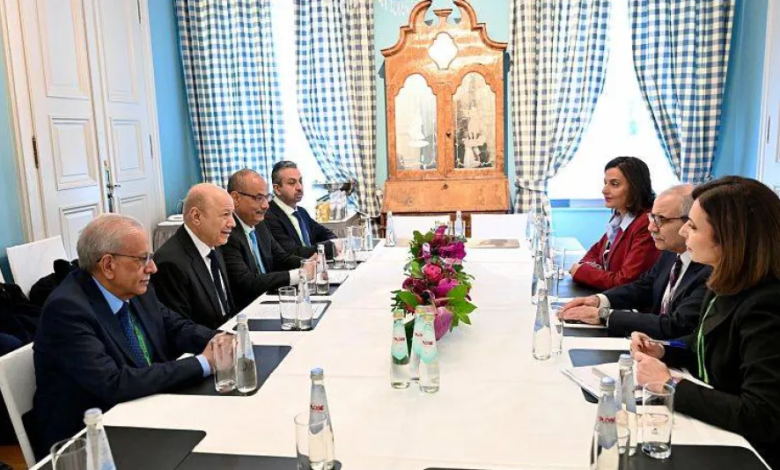

طالب رئيس مجلس القيادة الرئاسي في اليمن، الدكتور رشاد العليمي، الحكومة اللبنانية بضرورة اتخاذ إجراءات حازمة لوقف بث ونشاط المنصات الإعلامية التابعة لجماعة الحوثي، والتي تتخذ من الأراضي اللبنانية منطلقاً لعملياتها التحريضية ضد الدولة اليمنية ودول الجوار.
وجاء هذا الطلب خلال مباحثات رسمية جمعت العليمي برئيس حكومة تصريف الأعمال اللبنانية نجيب ميقاتي، حيث شدد الجانب اليمني على أن استمرار عمل هذه القنوات والمنابر الإعلامية من بيروت يمثل خرقاً للأعراف الدبلوماسية وتهديداً مباشراً لأمن واستقرار المنطقة، نظراً لما تبثه من خطابات تحض على الكراهية والعنف.
خلفيات التوتر الإعلامي والدبلوماسي
تأتي هذه المطالبة في سياق تاريخي معقد، حيث شكلت العاصمة اللبنانية بيروت لسنوات طويلة ملاذاً إعلامياً للعديد من حركات المعارضة والجماعات المسلحة في المنطقة، بما في ذلك جماعة الحوثي، مستفيدة من الدعم اللوجستي والسياسي الذي توفره أطراف محلية نافذة في لبنان. وقد تسبب هذا الوضع في توترات دبلوماسية متكررة بين لبنان من جهة، واليمن ودول مجلس التعاون الخليجي من جهة أخرى.
وتشير التقارير إلى أن العديد من القنوات الفضائية والمواقع الإلكترونية التابعة للحوثيين تدار تقنياً وإعلامياً من الضاحية الجنوبية لبيروت، مما جعل الحكومة اليمنية المعترف بها دولياً تعتبر ذلك تدخلاً سافراً في الشأن الداخلي اليمني، ومخالفة لميثاق جامعة الدول العربية الذي ينص على عدم التدخل في شؤون الدول الأعضاء.
أهمية المطلب اليمني وتأثيره المتوقع
يكتسب طلب العليمي أهمية قصوى في الوقت الراهن، حيث تسعى الحكومة اليمنية لتوحيد الصف الداخلي ومحاصرة الخطاب الإعلامي الذي يغذي الصراع ويطيل أمد الحرب. ويرى مراقبون أن استجابة الحكومة اللبنانية لهذا المطلب قد تكون خطوة محورية في مسار استعادة الثقة بين بيروت والعواصم العربية، لا سيما الرياض وعدن.
على الصعيد الإقليمي، يمثل وقف هذه المنصات جزءاً من استراتيجية أوسع لتجفيف منابع التحريض الطائفي والسياسي في المنطقة. ومع ذلك، يواجه هذا الملف تحديات داخلية في لبنان، تتعلق بالتوازنات السياسية الدقيقة ونفوذ القوى المتحالفة مع الحوثيين، مما يجعل تنفيذ القرار اختباراً حقيقياً لمدى قدرة الدولة اللبنانية على فرض سيادتها والالتزام بتعهداتها العربية بالنأي بالنفس عن صراعات المنطقة.
ختاماً، يؤكد الجانب اليمني أن العلاقات الأخوية التاريخية بين الشعبين اليمني واللبناني يجب أن تكون دافعاً للحكومة اللبنانية لمنع استخدام أراضيها كمنصة للإضرار بمصالح اليمنيين، والعمل بدلاً من ذلك على دعم جهود السلام والاستقرار في اليمن.