
الجدعان يبرز أهمية مبادئ الدرعية التوجيهية في إصلاحات صندوق النقد الدولي
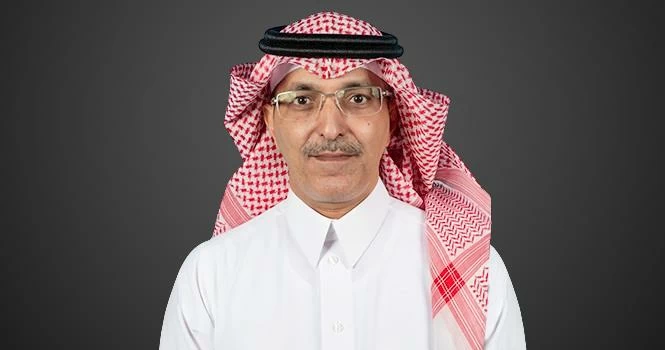
أكد معالي وزير المالية السعودي، محمد الجدعان، في تصريحات هامة أن مبادئ الدرعية التوجيهية تُعد واحدة من أهم وأبرز الإصلاحات التي شهدها صندوق النقد الدولي (IMF) منذ أكثر من 15 عاماً، خاصة فيما يتعلق بملفات الحصص والحوكمة. جاءت هذه التصريحات لتسلط الضوء على الدور المحوري الذي تلعبه المملكة العربية السعودية في صياغة السياسات المالية العالمية، ولتؤكد على أهمية التوافق الدولي في مواجهة التحديات الاقتصادية الراهنة.
السياق التاريخي لإصلاحات صندوق النقد الدولي
لفهم أهمية مبادئ الدرعية، يجب النظر إلى السياق التاريخي لإصلاحات صندوق النقد الدولي. منذ المراجعة الرابعة عشرة للحصص في عام 2010، واجه الصندوق مطالبات مستمرة بضرورة إعادة هيكلة نظام الحصص ليعكس بشكل أكثر عدالة التحولات في الاقتصاد العالمي، لا سيما صعود الاقتصادات الناشئة والنامية. مبادئ الدرعية، التي تبلورت لتعزيز هذا المسار، تمثل نقطة تحول استراتيجية تهدف إلى تحسين حوكمة الصندوق وضمان تمثيل أكثر توازناً للدول الأعضاء، مما يعزز من شرعية الصندوق وقدرته على الاستجابة للأزمات المالية العالمية بفعالية.
قوة الاقتصاد السعودي في ظل رؤية 2030
خلال اجتماعات وزراء المالية ومحافظي البنوك المركزية لدول مجموعة العشرين (G20)، أشار الجدعان إلى التوافق الكبير بين الأعضاء على ضرورة تكثيف الجهود المشتركة لتعزيز استقرار الاقتصاد الكلي والمالي العالمي. وفي هذا السياق، شدد معاليه على متانة وقوة الاقتصاد السعودي، الذي يواصل تحقيق معدلات نمو مستدامة ومتوازنة. هذا النجاح ليس وليد الصدفة، بل هو ثمرة للإصلاحات الهيكلية العميقة التي تقودها رؤية السعودية 2030، والتي ساهمت في تنويع مصادر الدخل، تقليل الاعتماد على النفط، وتحفيز نمو القطاع غير النفطي، مما جعل الاقتصاد السعودي نموذجاً للمرونة في مواجهة التقلبات العالمية.
التكامل الخليجي وحماية الأسواق العالمية
وفي جلسة حوارية حملت عنوان “نقاش حول الاقتصاد العالمي: سياسات من أجل الاستقرار والمرونة والازدهار”، تطرق الوزير الجدعان إلى البعد الإقليمي، مبرزاً مستوى التكامل الاقتصادي غير المسبوق الذي تشهده منطقة دول مجلس التعاون الخليجي. هذا التكامل، الذي يشمل تنسيق السياسات المالية والنقدية وتطوير البنية التحتية المشتركة، لا يخدم فقط مصالح دول الخليج، بل يلعب دوراً حاسماً في حماية الأسواق العالمية من الصدمات، وضمان استقرار إمدادات الطاقة وسلاسل التوريد العالمية.
دعم الدول الهشة ومواجهة التحديات في منطقة الشرق الأوسط
على الصعيد الدولي، وخلال اجتماع لجنة التنمية التابعة لمجموعة البنك الدولي، جدد الجدعان دعوته لأهمية العمل الجماعي. وأكد على ضرورة استعداد المنظمات الدولية لتقديم برامج دعم فعالة للدول المتضررة والهشة، لمساعدتها في التغلب على التحديات الاقتصادية والجيوسياسية التي تعصف بالعالم.
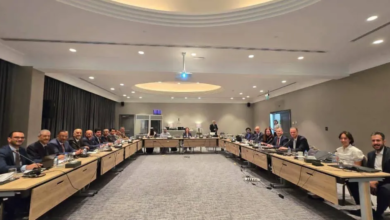
كما لفت معاليه إلى مشاركته الفاعلة في اجتماع وزراء ومحافظي منطقة الشرق الأوسط وشمال أفريقيا وأفغانستان وباكستان (MENAP) مع مدير عام صندوق النقد الدولي. وقد وجه رسالة واضحة مفادها أن المرحلة القادمة تتطلب من دول المنطقة التحلي بقدر عالٍ من الحكمة والتنسيق المشترك. وأكد على أهمية تبني رؤية استراتيجية واضحة وتنفيذ إصلاحات هيكلية سريعة وشاملة. هذه الخطوات تعد ضرورية لدعم استقرار الاقتصاد الكلي، تعزيز الحيّز المالي، وتمكين دول المنطقة من امتصاص الصدمات الخارجية والتعامل معها بفعالية ومرونة أكبر، مما يمهد الطريق نحو تنمية اقتصادية مستدامة وشاملة.