
متانة اقتصاد السعودية في ظل رؤية 2030
أكد وزير المالية السعودي، محمد بن عبدالله الجدعان، خلال مشاركته الفاعلة في الاجتماع الأول لوزراء المالية ومحافظي البنوك المركزية لمجموعة العشرين، على متانة اقتصاد السعودية واستمراره في تحقيق نمو مستدام ومتوازن. يأتي هذا التصريح في وقت يشهد فيه العالم تقلبات اقتصادية حادة، مما يبرز نجاح الإصلاحات الهيكلية التي تقودها رؤية السعودية 2030. وتهدف هذه الرؤية الطموحة إلى تنويع مصادر الدخل وتقليل الاعتماد المفرط على الإيرادات النفطية، مما جعل الاقتصاد السعودي أكثر مرونة وقدرة على امتصاص الصدمات الخارجية وتحقيق مستهدفات التنمية المستدامة.
حضور فاعل في اجتماعات واشنطن ومجموعة العشرين
عُقد هذا الاجتماع الاستراتيجي في العاصمة الأمريكية واشنطن تحت الرئاسة الأمريكية، وذلك على هامش اجتماعات الربيع لصندوق النقد الدولي ومجموعة البنك الدولي. وشهد الحدث مشاركة واسعة من وزراء المالية ومحافظي البنوك المركزية لدول مجموعة العشرين، إلى جانب ممثلي الدول المدعوة ورؤساء المنظمات الدولية والإقليمية. وتُعد مجموعة العشرين المنتدى الرئيس للتعاون الاقتصادي الدولي، حيث تلعب دوراً حاسماً في تشكيل الهيكل المالي العالمي، وتنسيق السياسات الكفيلة بتعزيز النمو الاقتصادي وتجاوز الأزمات.
الاستقرار الجيوسياسي وأمن أسواق الطاقة
خلال الجلسات، شدد الجدعان على حقيقة جوهرية تتمثل في أن آفاق النمو العالمي ترتبط ارتباطاً وثيقاً بالاستقرار الجيوسياسي. ولفت الانتباه إلى أن تقلبات أسواق الطاقة واضطرابات سلاسل الإمداد العالمية تمثل تحديات مباشرة وعقبات أمام النمو الاقتصادي والاستقرار المالي. وفي هذا السياق، تبرز أهمية الحفاظ على أسواق طاقة مستقرة وموثوقة باعتبارها ركيزة أساسية لدعم النمو العالمي المستدام. وتلعب المملكة العربية السعودية دوراً تاريخياً ومحورياً في هذا المجال من خلال سياستها الموثوقة لضمان استقرار الأسواق وتلبية الطلب العالمي للطاقة.
تكامل خليجي غير مسبوق لحماية الأسواق
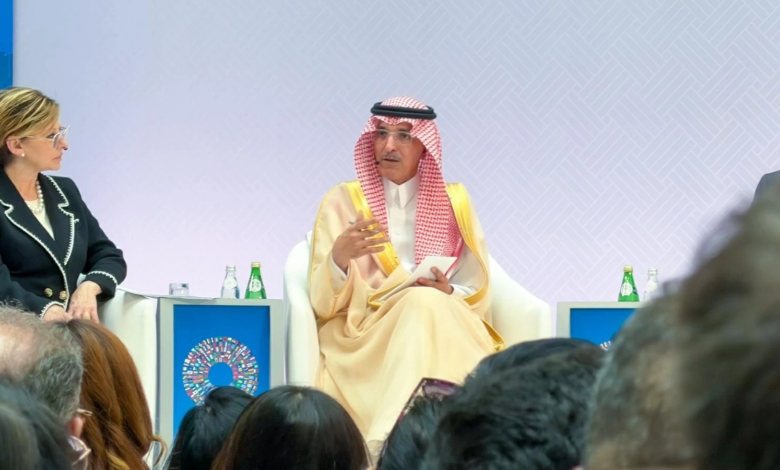
وفي جلسة حوارية حملت عنوان «نقاش حول الاقتصاد العالمي: سياسات من أجل الاستقرار والمرونة والازدهار»، سلط الوزير الضوء على مستوى التكامل الاقتصادي غير المسبوق في منطقة دول مجلس التعاون الخليجي. هذا التكامل، الذي يشمل مبادرات الاتحاد الجمركي والسوق الخليجية المشتركة، يلعب دوراً حيوياً في تعزيز الاستقرار الإقليمي. كما أشار إلى أهمية الاستفادة من البنية التحتية المشتركة والمشاريع الاستراتيجية الكبرى لحماية الأسواق المحلية والعالمية من التداعيات السلبية للأزمات الاقتصادية.
جاهزية استباقية وتمكين للقطاع الخاص
أوضح وزير المالية أن العمل الاستباقي والاستعداد لمواجهة الصدمات يمثلان الخيار الأمثل لمعالجة معوقات النمو. وشدد على أهمية وضوح السياسات المالية والنقدية، وزيادة مرونة أسواق العمل، وتحفيز الاستثمار الأجنبي والمحلي. وإلى جانب ذلك، أكد على ضرورة تعزيز دور القطاع الخاص كشريك رئيسي في تصميم وتنفيذ الإصلاحات الاقتصادية. وتأتي هذه التصريحات متوافقة مع الاستراتيجية الوطنية للاستثمار في السعودية، والتي تسعى إلى رفع مساهمة القطاع الخاص في الناتج المحلي الإجمالي وتوليد فرص عمل جديدة.
دعم الدول الهشة والعمل الجماعي الدولي
على صعيد التضامن الدولي، وخلال اجتماع لجنة التنمية التابعة لمجموعة البنك الدولي، أكد الجدعان على الأهمية القصوى للعمل الجماعي. وأشار إلى ضرورة استعداد المنظمات الدولية لتقديم برامج دعم فعالة للدول المتضررة والهشة، لمساعدتها على مواجهة التحديات الاقتصادية العالمية المتزايدة. وتاريخياً، تُعد السعودية من كبار المانحين الدوليين، حيث تساهم بشكل مستمر في مبادرات تخفيف الديون ودعم المشاريع التنموية في الدول النامية.
نهج متوازن للتعامل مع الاختلالات العالمية
في ختام مشاركته، دعا الجدعان إلى تبني نهج متوازن وحكيم في التعامل مع الاختلالات الاقتصادية العالمية. وأوضح أهمية التمييز بين التغيرات التي تعكس الأسس الاقتصادية الطبيعية، وتلك التي قد تشكل مخاطر حقيقية على الاستقرار المالي، مع ضرورة مراعاة الخصوصية الهيكلية لكل اقتصاد. وقد شهد الاجتماع تبادلاً مكثفاً لوجهات النظر بشأن تنسيق السياسات المرتبطة بالنمو العالمي، وتحديات الاقتصاد الكلي، وتطورات القطاعين النقدي والمالي، إلى جانب الأصول الرقمية وقضايا الديون السيادية، بما يدعم الاستقرار المالي الدولي.