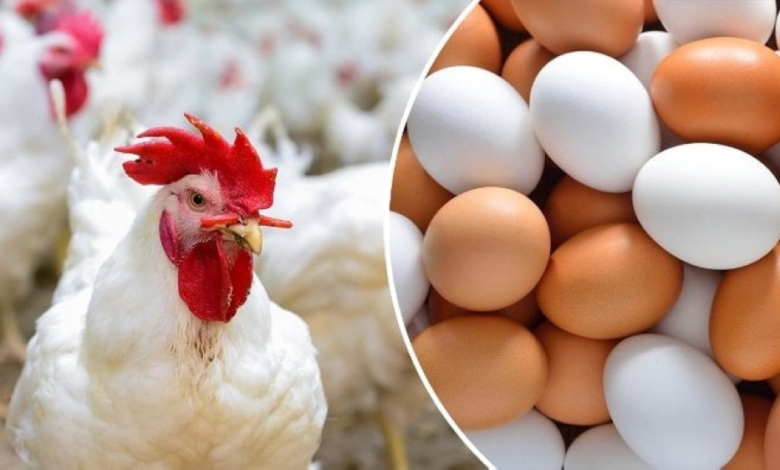

أصدرت الجهات المعنية قراراً يقضي بالسماح الفوري باستيراد لحوم الدواجن وبيض المائدة ومنتجاتهما من كل من مملكة الدنمارك، وجمهورية إيرلندا، والجمهورية الفرنسية. ويأتي هذا القرار لينهي فترة من الحظر المؤقت الذي كان مفروضاً على هذه المنتجات، مما يفتح الباب أمام عودة التدفق التجاري الغذائي بين الأسواق المحلية وهذه الدول الأوروبية.
خلفية القرار والأسباب الصحية
يأتي هذا الإجراء بعد مراجعة دقيقة للوضع الصحي الوبائي في الدول المذكورة. تاريخياً، تلجأ الدول إلى فرض حظر مؤقت على استيراد الدواجن ومنتجاتها من مناطق معينة عند ظهور بؤر لمرض إنفلونزا الطيور عالي الضراوة. ويعد هذا الإجراء بروتوكولاً عالمياً معتمداً للحفاظ على الثروة الحيوانية المحلية ومنع انتقال الأوبئة. ومع سيطرة الدنمارك وإيرلندا وفرنسا على الوضع الصحي وتطبيق إجراءات السلامة البيطرية الصارمة، انتفت الأسباب الموجبة للحظر، مما مهد الطريق لإصدار قرار السماح بالاستيراد.
الاعتماد على المعايير الدولية
يستند قرار رفع الحظر إلى تقارير وتوصيات المنظمة العالمية لصحة الحيوان (WOAH)، التي تتابع بدقة الحالة الوبائية في الدول الأعضاء. وبمجرد تأكيد المنظمة خلو المناطق المصدرة من الأمراض الوبائية ونجاحها في تطبيق معايير الأمن الحيوي، تقوم الجهات الرقابية المحلية بتقييم هذه التقارير واتخاذ القرار المناسب الذي يوازن بين حماية الصحة العامة وتسهيل الحركة التجارية.
الأثر الاقتصادي وتعزيز الأمن الغذائي
من المتوقع أن يكون لهذا القرار انعكاسات إيجابية ملموسة على السوق المحلي. أولاً، سيساهم تنوع مصادر الاستيراد في تعزيز استقرار أسعار الدواجن والبيض من خلال زيادة المعروض في الأسواق، مما يخلق بيئة تنافسية تصب في مصلحة المستهلك. ثانياً، يعزز هذا الخطوة من استراتيجيات الأمن الغذائي، حيث يضمن تعدد الموردين عدم حدوث نقص في الإمدادات الغذائية الأساسية في حال تعثر الاستيراد من مصادر أخرى.
ضمانات الجودة والسلامة
على الرغم من السماح بالاستيراد، فإن الشحنات الواردة ستخضع لجميع الاشتراطات الصحية القياسية. ويشمل ذلك ضرورة إرفاق شهادات صحية معتمدة تثبت سلامة المنتجات ومطابقتها للمواصفات والمقاييس، بالإضافة إلى خضوعها للفحص الظاهري والمخبري عند المنافذ الحدودية لضمان وصول غذاء آمن وسليم للمستهلك النهائي.