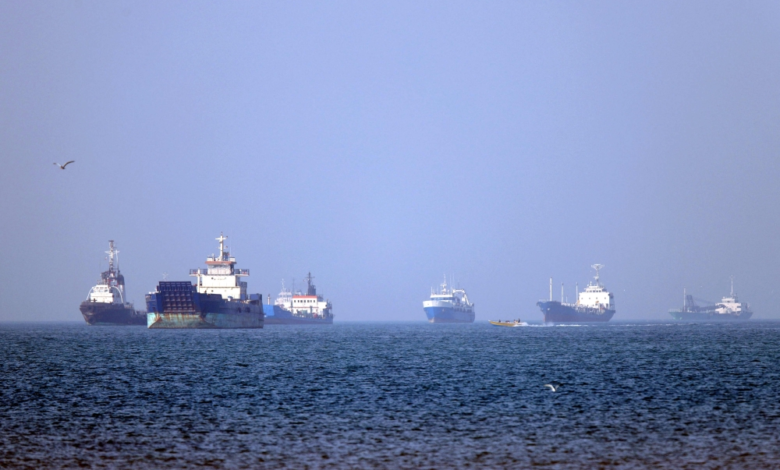

جددت المملكة العربية السعودية، على لسان مندوبها الدائم لدى الأمم المتحدة، السفير عبد العزيز الواصل، تأكيدها على الأهمية الاستراتيجية القصوى لمضيق هرمز، محذرةً من أن أي تهديد لحرية الملاحة في هذا الممر المائي الحيوي سيؤدي إلى تداعيات وخيمة على الاقتصاد العالمي وسلاسل الإمداد الدولية.
جاء هذا الموقف الحازم خلال المؤتمر الصحفي المشترك بين دول مجلس التعاون لدول الخليج العربية والولايات المتحدة الأمريكية، الذي عُقد لمناقشة مشروع قرار حول حماية حرية الملاحة في مضيق هرمز. وأوضح الواصل أن أي اضطراب في هذا الشريان التجاري لا يؤثر على المنطقة فحسب، بل ينعكس بشكل مباشر وفوري على استقرار أسواق الطاقة العالمية ويعرض أمنها للخطر.
الأهمية الاستراتيجية لمضيق هرمز
يُعد مضيق هرمز أحد أهم الممرات المائية في العالم، إن لم يكن أهمها على الإطلاق، حيث يمر عبره ما يقارب خُمس استهلاك النفط العالمي، بالإضافة إلى كميات هائلة من الغاز الطبيعي المسال. يربط هذا المضيق، الذي يفصل بين الخليج العربي وخليج عمان، اقتصادات كبرى في آسيا وأوروبا وأمريكا الشمالية بمصادر الطاقة الحيوية في الشرق الأوسط. تاريخياً، كان المضيق مسرحاً للعديد من التوترات الجيوسياسية، وشهد حوادث متكررة هددت استقرار الملاحة فيه، مما يجعله نقطة محورية في حسابات الأمن الدولي.
تأثيرات إقليمية ودولية متوقعة
إن تعطل حركة الملاحة في مضيق هرمز، ولو لفترة وجيزة، من شأنه أن يُحدث صدمة عنيفة في الأسواق العالمية. التأثير المباشر سيتمثل في ارتفاع فوري وحاد في أسعار النفط والغاز، مما سيؤدي إلى زيادة تكاليف الطاقة على المستهلكين والشركات في جميع أنحاء العالم، ويفاقم من الضغوط التضخمية التي تعاني منها العديد من الاقتصادات. على الصعيد الإقليمي، سيتسبب أي إغلاق للمضيق في شل حركة صادرات دول الخليج، التي تعتمد عليه بشكل شبه كلي لتصدير مواردها الطاقوية، مما يهدد استقرارها الاقتصادي. دولياً، سيتأثر النمو الاقتصادي العالمي بشكل سلبي، وقد تدخل بعض الدول في حالة ركود اقتصادي نتيجة لاضطراب إمدادات الطاقة وارتفاع تكلفتها.
دعوة لتحرك دولي منسق
في كلمته، لم يقتصر السفير الواصل على التحذير من التداعيات الاقتصادية، بل أشار أيضاً إلى الأبعاد الإنسانية الخطيرة التي قد تنجم عن تعطل تدفق السلع الأساسية والمساعدات الإنسانية عبر المضيق. وشدد على ضرورة حماية أمن الملاحة البحرية وضمان التدفق الآمن والمستمر للتجارة الدولية وفقاً لمبادئ القانون الدولي. ودعت المملكة إلى تحرك دولي منسق لخفض التصعيد في المنطقة ومنع تفاقم أي أزمة قد تهدد هذا الممر الحيوي، مؤكدةً على أن تعزيز التعاون الدولي هو السبيل الوحيد لصون الأمن والسلم الإقليمي والدولي وحماية شريان الاقتصاد العالمي من أي مخاطر محتملة.