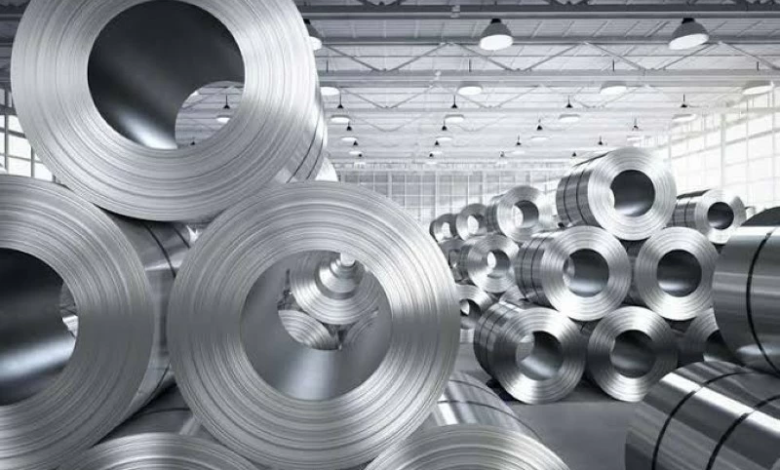

Aluminum prices are rapidly heading towards their biggest weekly jump since 2024, in a dramatic shift in global markets driven by escalating geopolitical tensions and conflict in the Middle East. This situation has cast a dark shadow over global trade, disrupting supply chains and shipments, and prompting traders and investors to take precautionary measures in anticipation of wider disruptions to the global supply of base metals.
Record numbers at the London Metal Exchange
Trading activity was notably high on Friday, with the most traded aluminum futures contract on the London Metal Exchange (LME) rising 0.85% to settle at $3,326.00 per ton. This increase brings the metal's gains for the week to over 5%, a strong indicator of market concerns about potential supply shortages amid the current crisis.
Supply chain disruptions and rising price premiums
The impact wasn't limited to the base price; it extended to the premiums consumers pay above the exchange price to secure immediate delivery. With production and shipping disrupted in the Arabian Gulf region—a vital aluminum production hub thanks to its energy resources—the premium for the US Midwest jumped to a record high of $106.50 per ton on Thursday. According to Bloomberg, European markets were not immune to this surge, also experiencing a significant increase in the cost of sourcing the metal.
Strategic importance and impact of the conflict
This surge is significant because of aluminum's pivotal role in the global economy. The metal is a cornerstone of the aerospace, automotive (especially electric vehicle), construction, and packaging industries. The Middle East is a major player in the global aluminum market, with smelters relying on the region's abundant energy resources. Any threat to shipping lanes or energy infrastructure in the region immediately translates into a risk premium on global prices.
Expected economic repercussions
This surge is expected to weigh on global inflation rates, as manufacturers will be forced to pass on higher raw material costs to the end consumer. Continued tensions could also prompt large companies to engage in preemptive panic buying, potentially creating artificial scarcity and driving prices even higher. Economic analysts are closely monitoring the situation, as the stability of industrial metal prices is a vital indicator of the global economy's health and its capacity for recovery and growth.