Amnesty International accuses Iran of mass murder, and Britain closes its embassy

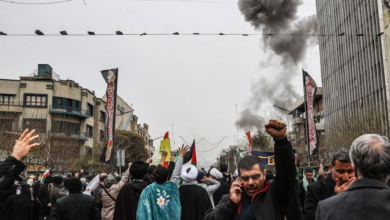
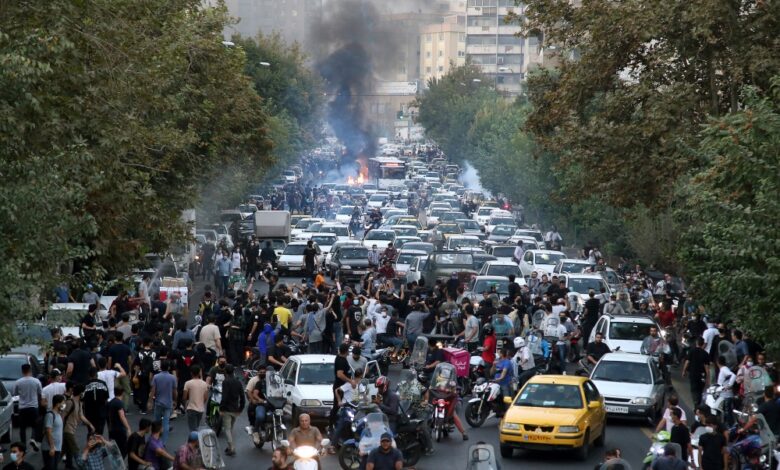
In a serious escalation of the human rights and diplomatic situation, Amnesty International leveled direct and strongly worded accusations against the Iranian authorities, asserting that they had committed unlawful mass killings on an unprecedented scale as part of the regime's efforts to suppress the protests. This shocking human rights report coincided with the British government's announcement of the temporary closure of its embassy in Tehran, reflecting the depth of the current crisis.
Details of the charges: Snipers and live ammunition
The international organization, headquartered in London, based its report released Wednesday on a thorough analysis of documented videos and eyewitness accounts from the scene. The organization explained that Iranian security forces not only dispersed the protesters but also resorted to the systematic use of lethal force.
According to the statement, security forces and snipers positioned themselves on the rooftops of residential buildings, mosques, and police stations, from where they repeatedly fired machine guns and rifles loaded with metal pellets. The report highlighted a particularly alarming aspect: the forces deliberately targeted unarmed protesters in vital areas of the body, specifically the head and torso, indicating a premeditated intent to kill rather than simply to control the riot.
General context: A history of repression and information withholding
This event is not isolated from the historical context of Iran's security forces' handling of protest movements. For decades, Iranian authorities have met popular demonstrations with an iron fist. The report points to a "coordinated nationwide escalation" that began on January 8, the same date that marked the start of internet shutdowns.
Internet shutdowns are a recurring strategy employed by Tehran to isolate protesters from the outside world, prevent the documentation and dissemination of abuses on social media platforms, and facilitate security operations away from the scrutiny of the international community. These practices are reminiscent of previous crackdowns during fuel protests and other demonstrations, in which hundreds were killed under similar circumstances.
Diplomatic repercussions: British embassy closed
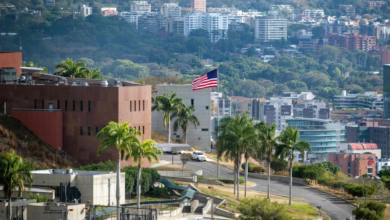
On the diplomatic front, in a move reflecting strained relations and security concerns, the British government announced the "temporary" closure of its embassy in Tehran. A government spokesperson stated that work would continue remotely, noting that all necessary arrangements had been made to ensure the safety of staff and that guidelines for consular services had been adjusted to suit the new situation.
Importance and expected impact
This report and the timing of the diplomatic closure carry profound implications on several levels:
- Internationally: Amnesty International’s report puts Tehran under increasing international pressure, and may pave the way for further Western sanctions related to human rights, and increase the isolation of the Iranian regime in international forums.
- Regionally: The unstable internal situation in Iran points to the possibility of continued tensions in the region, as the internal situation in Iran is often reflected in its foreign policies in the Middle East.
- Locally: The use of excessive force confirms the widening gap between the authorities and the Iranian street, which portends the possibility of renewed protests and an exacerbation of the social and political crisis within the country.