
تفاصيل فاجعة انهيار منجم ذهب في أنغولا
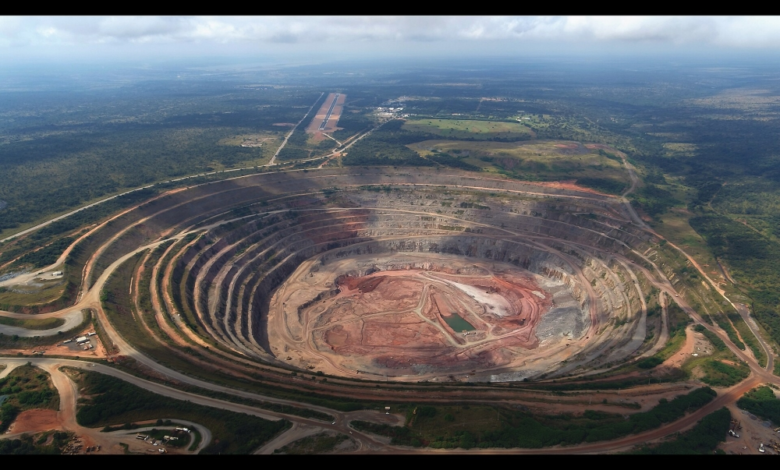
في مأساة إنسانية مروعة، لقي 28 شخصاً على الأقل مصرعهم إثر انهيار منجم ذهب في أنغولا كان يُشغل بشكل غير قانوني. ووفقاً للبيانات الرسمية الصادرة عن الشرطة الأنغولية، فإن الضحايا الذين تتراوح أعمارهم بين 18 و40 عاماً، قد دفنوا أحياء تحت الأنقاض جراء انهيار أرضي مفاجئ. وقع هذا الحادث الأليم في مقاطعة بينجو، التي تقع في الجزء الشمالي الشرقي من العاصمة لواندا.
وأوضحت التقارير الميدانية أن الكارثة حدثت تحديداً في قرية كاناكاسالا، التي تبعد حوالي 60 كيلومتراً عن العاصمة لواندا. وقد وقع الانهيار أثناء قيام الضحايا بعمليات التنقيب العشوائي وغير القانوني عن الذهب في ظروف تفتقر إلى أدنى مقومات السلامة المهنية. ومما يزيد من قسوة هذه الفاجعة، أن 13 فرداً من عائلة واحدة كانوا من بين القتلى، مما يترك أثراً نفسياً واجتماعياً عميقاً على المجتمع المحلي. في غضون ذلك، تواصل فرق الإنقاذ والدفاع المدني عمليات البحث المكثفة في الموقع، تحسباً لوجود ضحايا آخرين أو أملًا في العثور على ناجين محاصرين تحت الأنقاض.
السياق العام لظاهرة التنقيب غير القانوني في أنغولا وأفريقيا
لفهم أبعاد حادث انهيار منجم ذهب في أنغولا، يجب النظر إلى السياق العام والتاريخي لقطاع التعدين في القارة الأفريقية. تُعد أنغولا واحدة من الدول الغنية بالموارد الطبيعية، حيث تشتهر بإنتاج النفط والألماس، وبدأت في السنوات الأخيرة في استكشاف واستخراج الذهب. ومع ذلك، فإن التفاوت الاقتصادي والبطالة يدفعان العديد من الشباب والمواطنين في المناطق الريفية إلى اللجوء للتنقيب الحرفي غير القانوني، وهو ما يُعرف محلياً وإقليمياً بظاهرة التعدين العشوائي.
هذه الممارسات تتم عادة باستخدام أدوات بدائية ودون أي دراسات جيولوجية أو هندسية لضمان استقرار التربة، مما يجعل عمال المناجم عرضة لخطر الانهيارات الأرضية المستمرة. وتتفاقم هذه المخاطر بشكل خاص خلال مواسم الأمطار التي تزيد من هشاشة التربة. تاريخياً، شهدت العديد من الدول الأفريقية حوادث مشابهة حصدت أرواح الآلاف، مما يجعل هذه الحادثة جزءاً من أزمة هيكلية أوسع تعاني منها الدول النامية الغنية بالموارد.
التأثير المتوقع للحادث على المستويات المحلية والدولية
يحمل حادث انهيار منجم ذهب في أنغولا تداعيات وتأثيرات متعددة الأبعاد. على الصعيد المحلي، تشكل هذه الكارثة صدمة قوية للمجتمع الأنغولي، وتحديداً في مقاطعة بينجو. فقدان 13 شخصاً من عائلة واحدة يسلط الضوء على التكلفة البشرية الباهظة للبحث عن لقمة العيش في ظروف محفوفة بالمخاطر. من المتوقع أن يشكل هذا الحادث ضغطاً كبيراً على الحكومة الأنغولية لتشديد الرقابة على مواقع التعدين غير القانونية، وتوفير بدائل اقتصادية آمنة للمواطنين، بالإضافة إلى تحسين استراتيجيات الاستجابة للكوارث.
أما على الصعيد الإقليمي والدولي، فإن تكرار مثل هذه الحوادث يثير قلق المنظمات الحقوقية والبيئية العالمية التي تطالب بضرورة تنظيم قطاع التعدين الحرفي. كما أن هذه الفواجع تسلط الضوء على سلسلة توريد الذهب العالمية، مما يدفع الشركات الكبرى والمستثمرين الدوليين إلى المطالبة بمزيد من الشفافية والتأكد من أن المعادن المستخرجة لا تأتي من مواقع تنتهك حقوق الإنسان أو تفتقر إلى معايير السلامة. في النهاية، يظل تنظيم هذا القطاع الحيوي خطوة ضرورية لحماية الأرواح وضمان استغلال الموارد الطبيعية بطريقة مستدامة وآمنة.