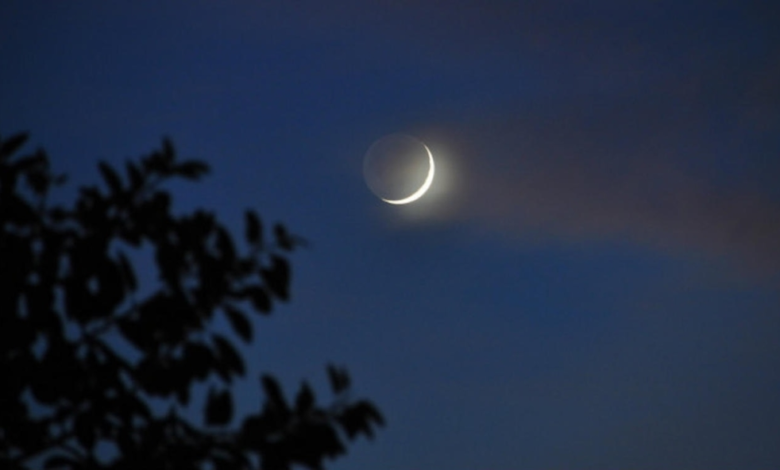

كشف رئيس الجمعية الفلكية بجدة، المهندس ماجد أبوزاهرة، عن تفاصيل حدث فلكي استثنائي تترقبه الكرة الأرضية يوم الثلاثاء 17 فبراير 2026، يتمثل في كسوف حلقي للشمس يُعرف بظاهرة "حلقة النور". ويتميز هذا الحدث بخصوصية فريدة لتزامنه الفلكي مع لحظة اقتران هلال شهر رمضان المبارك لعام 1447 هـ، مما يضفي عليه أهمية مزدوجة علمية وزمنية.
آلية حدوث "حلقة النور" والفرق بينها وبين الكسوف الكلي
أوضح أبوزاهرة أن الكسوف الحلقي هو ظاهرة فلكية تحدث عندما يقع القمر الجديد بين الأرض والشمس، ولكن نظرًا لوجود القمر في نقطة "الأوج" (أبعد نقطة له عن الأرض في مداره البيضاوي)، فإن حجمه الظاهري يبدو أصغر بنحو 2.2% من المتوسط. ونتيجة لذلك، يعجز القمر عن تغطية قرص الشمس بالكامل كما يحدث في الكسوف الكلي، بل يكتفي بحجب مركزه فقط، تاركًا حواف الشمس مضيئة على شكل حلقة متوهجة تحيط بالقمر، وهي ما يُطلق عليها "حلقة النور".
التزامن مع هلال رمضان وتوقيت الحدث
تكتسب هذه الظاهرة أهمية خاصة في التقويم الهجري، حيث أشار رئيس فلكية جدة إلى أن القمر سيصل لحظة الاقتران لشهر رمضان المبارك عند الساعة 03:01 مساءً بتوقيت السعودية، منهيًا دورة اقترانية ومبتدئًا دورة جديدة. وتتزامن هذه اللحظة تقريبًا مع ذروة الكسوف الحلقي التي ستكون عند الساعة 03:12 مساءً. ورغم هذا التزامن الفلكي الدقيق، أكد أبوزاهرة أن تحديد غرة شهر رمضان في المملكة العربية السعودية يظل خاضعًا للرؤية الشرعية وما تعلنه المحكمة العليا رسميًا.
مسار الكسوف وأماكن الرؤية المحدودة
من الناحية الجغرافية، يُعد هذا الكسوف حدثًا "قطبيًا" بامتياز، حيث سيمر مسار الكسوف الحلقي عبر مناطق نائية وشديدة البرودة في القارة القطبية الجنوبية (أنتاركتيكا) والمحيطات المحيطة بها. وهذا يعني أن مشاهدة "حلقة النور" بالعين المجردة ستكون مقتصرة على عدد محدود جدًا من العلماء والباحثين المتواجدين في محطات مثل "كونكورديا" الفرنسية-الإيطالية ومحطة "ميرني" الروسية. أما بالنسبة للمملكة العربية السعودية والوطن العربي، فلن يكون الكسوف مشاهدًا، وسيقتصر رصده على البث المباشر من وكالات الفضاء والمراصد العالمية.
الأرقام الفلكية للظاهرة
وفقًا للحسابات الفلكية الدقيقة، ستستغرق مراحل الكسوف كافة حوالي 4 ساعات و31 دقيقة. سيبدأ الكسوف الجزئي عالميًا (بحسب توقيت السعودية) عند الساعة 12:56 ظهرًا، ويبدأ الطور الحلقي عند 02:42 ظهرًا. وفي ذروة الحدث، سيحجب القمر حوالي 96% من قرص الشمس، بينما يبلغ عرض مسار الظل الحلقي نحو 616 كيلومترًا. وتستمر مرحلة الحلقة المضيئة الكاملة لمدة لا تتجاوز دقيقتين و20 ثانية في أفضل مواقع الرصد.
الأهمية العلمية للحدث
يُعد هذا الحدث تذكيرًا دقيقًا بانتظام حركة الأجرام السماوية ودقة الحسابات الفلكية التي تسمح للعلماء بالتنبؤ بمثل هذه الظواهر لسنوات وعقود قادمة. كما يمثل فرصة للعلماء في القارة القطبية الجنوبية لدراسة طبقات الغلاف الجوي للشمس وتأثير انخفاض الإشعاع الشمسي المفاجئ على الغلاف الجوي للأرض في تلك المناطق النائية.