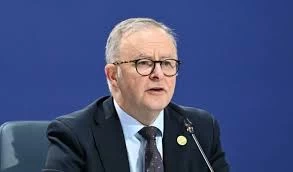

في خطوة نادرة تعكس حجم التحديات الاقتصادية والجيوسياسية الراهنة، وجه رئيس الوزراء الأسترالي أنتوني ألبانيزي خطاباً وطنياً استثنائياً حث فيه المواطنين على ضرورة ترشيد استهلاك الوقود واللجوء إلى وسائل النقل العام. تأتي هذه الدعوة في ظل تصاعد التوترات العالمية التي ألقت بظلالها على سلاسل الإمداد وأسواق الطاقة، مما يستدعي استعداد الأمة الأسترالية لاحتمالية مواجهة أوقات عصيبة خلال الأشهر المقبلة.
خلفية الأزمة وتأثير التوترات العالمية
وأوضح ألبانيزي خلال خطابه أن هذه الإجراءات تأتي كرد فعل حكومي استباقي للتعامل مع التداعيات الناجمة عن التوترات الجيوسياسية، ولا سيما الصراعات التي تشمل إيران ومنطقة الشرق الأوسط، والتي أدت إلى تعطيل إمدادات الطاقة العالمية وتسببت في ارتفاع ملحوظ في أسعار النفط. تاريخياً، تتأثر أسواق الطاقة بشدة بأي اضطرابات في المناطق الغنية بالنفط أو الممرات المائية الاستراتيجية، مما ينعكس مباشرة على تكلفة الوقود في الدول المستوردة مثل أستراليا التي تعتمد بشكل كبير على استيراد الوقود المكرر لتلبية احتياجاتها المحلية.
توجيهات حكومية: النقل العام والانضباط الطوعي
وفي سياق توجيهاته المباشرة للشعب الأسترالي، قال ألبانيزي: «إذا كان يمكنكم اللجوء إلى استقلال القطار أو الحافلة أو الترام للذهاب إلى العمل على مدار الأسابيع القادمة، فافعلوا ذلك». وأكد على أهمية الانضباط الطوعي في هذه المرحلة الحساسة، مشيراً إلى أن هذا السلوك يبني الاحتياطيات الوطنية ويوفر الوقود للأشخاص الذين تقتضي ظروفهم أو طبيعة عملهم قيادة سياراتهم الخاصة ولا يملكون خيارات بديلة.
التحذير من التخزين العشوائي للوقود
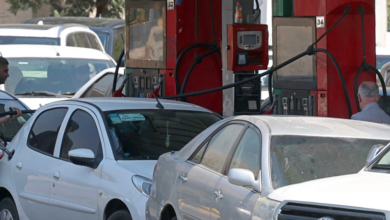
وتزامناً مع عطلة عيد الفصح، التي تشهد عادة زيادة في حركة السفر والتنقل الداخلي، تمنى رئيس الوزراء للمواطنين الاستمتاع بالعطلة، لكنه شدد في الوقت ذاته على ضرورة عدم الانجرار وراء الشراء المذعور. ودعا الأستراليين بحزم إلى عدم شراء وقود أكثر من الاحتياج الفعلي، محذراً من أن تخزين الوقود قد يؤدي إلى تفاقم الأزمة وخلق نقص مصطنع في محطات التوزيع.
التأثيرات المتوقعة والاستعداد للمستقبل
وتحمل هذه التصريحات دلالات هامة على الصعيدين المحلي والدولي. محلياً، تسعى الحكومة الأسترالية إلى تخفيف العبء عن كاهل المواطنين في ظل أزمة غلاء المعيشة والتضخم التي تتأثر بشكل مباشر بأسعار المحروقات. أما دولياً، فإن أستراليا تنضم إلى قائمة الدول التي تعيد تقييم أمنها في مجال الطاقة وتعمل على تعزيز مرونتها الاقتصادية في مواجهة الصدمات الخارجية.
واختتم رئيس الوزراء خطابه الذي بثه التلفزيون الوطني والإذاعات الرسمية بتحذير صريح من أن «الأشهر القادمة قد لا تكون سهلة». وطلب من الأستراليين الاستعداد والتكاتف، موضحاً أنه «إذا ساء الوضع العالمي وتعطلت إمداداتنا بشدة على المدى الطويل، نصبح قادرين على تنسيق الخطوات القادمة معاً». تعكس هذه الرسالة استراتيجية الحكومة في الشفافية والمصارحة لتهيئة الرأي العام للتعامل مع أي سيناريوهات طارئة قد تفرضها المتغيرات الدولية المتسارعة.