
توافق عربي على ترشيح نبيل فهمي
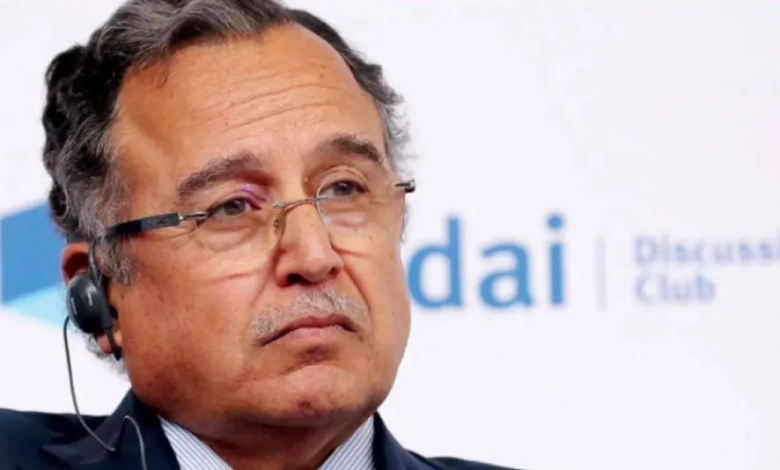
في خطوة دبلوماسية هامة تعكس التوافق العربي في المرحلة الراهنة، تتجه الأنظار نحو أروقة جامعة الدول العربية مع إعلان وزراء الخارجية العرب دعمهم لترشيح الدبلوماسي المصري البارز نبيل فهمي لمنصب الأمين العام لجامعة الدول العربية، ليخلف بذلك الأمين العام الحالي أحمد أبو الغيط. يأتي هذا التوافق في ظل تحديات إقليمية ودولية غير مسبوقة تتطلب قيادة دبلوماسية محنكة قادرة على توحيد الصف العربي ومواجهة الأزمات المتلاحقة التي تعصف بالمنطقة.
السياق العام والخلفية التاريخية لمنصب الأمين العام
تأسست جامعة الدول العربية في عام 1945، ومنذ ذلك الحين، جرى العرف الدبلوماسي على أن يتولى شخصية مصرية منصب الأمين العام، باستثناء فترة نقل مقر الجامعة إلى تونس (1979-1990) حين تولاها الشاذلي القليبي. يعكس هذا العرف الثقل السياسي والتاريخي لمصر في محيطها العربي. وقد تعاقب على هذا المنصب الرفيع قامات دبلوماسية كبيرة أسهمت في صياغة العمل العربي المشترك. ويأتي ترشيح نبيل فهمي استمراراً لهذا النهج، حيث يُعد من أبرز الوجوه الدبلوماسية المصرية التي تمتلك خبرة واسعة في دهاليز السياسة الدولية والعربية.
من هو الدبلوماسي نبيل فهمي؟
نبيل فهمي هو دبلوماسي مصري مخضرم، شغل منصب وزير خارجية مصر في الفترة من يوليو 2013 حتى يونيو 2014. قبل ذلك، لعب دوراً محورياً في الدبلوماسية المصرية من خلال عمله سفيراً لجمهورية مصر العربية في الولايات المتحدة الأمريكية بين عامي 1999 و2008، وسفيراً في اليابان. كما أسس كلية الشؤون الدولية والسياسات العامة بالجامعة الأمريكية بالقاهرة وكان عميداً لها. هذه الخلفية الأكاديمية والدبلوماسية المزدوجة تجعله مرشحاً استثنائياً يجمع بين التنظير السياسي والممارسة الدبلوماسية الواقعية، مما يؤهله لقيادة دفة الجامعة العربية في هذه المرحلة الحرجة.
فترة أحمد أبو الغيط والتسليم المرتقب
تولى أحمد أبو الغيط، وزير الخارجية المصري الأسبق، منصب الأمين العام لجامعة الدول العربية منذ عام 2016، وتم التجديد له لفترة ثانية. خلال فترة ولايته، واجهت الجامعة العربية ملفات شائكة ومعقدة، بدءاً من النزاعات المسلحة في عدة دول عربية، وصولاً إلى التوترات الجيوسياسية العالمية وتأثيراتها على الأمن الغذائي والاقتصادي العربي، فضلاً عن القضية الفلسطينية التي تظل القضية المركزية للعرب. إن انتقال القيادة من أبو الغيط إلى فهمي يمثل استمراراً للمدرسة الدبلوماسية المصرية العريقة، مع ضخ دماء جديدة ورؤى قد تسهم في تفعيل آليات العمل العربي المشترك.
أهمية الحدث وتأثيره المتوقع إقليمياً ودولياً
يحمل ترشيح نبيل فهمي أميناً عاماً للجامعة العربية دلالات بالغة الأهمية على الصعيدين الإقليمي والدولي. إقليمياً، تحتاج المنطقة العربية إلى تعزيز آليات التكامل والتعاون لمواجهة التحديات الأمنية والاقتصادية، لا سيما في ظل التطورات الأخيرة ومحاولات إعادة الاستقرار إلى دول الجوار. دولياً، يتطلب المشهد العالمي المتغير، مع صعود قوى جديدة وتراجع أخرى، صوتاً عربياً موحداً وقوياً في المحافل الدولية. خبرة نبيل فهمي العميقة في واشنطن وعلاقاته الدولية الواسعة ستكون أداة حاسمة في تعزيز الحوار العربي مع القوى الكبرى، والدفاع عن المصالح العربية بفعالية أكبر.
إن إجماع وزراء الخارجية العرب على هذا الترشيح يعكس رغبة حقيقية في تنشيط دور جامعة الدول العربية، وتحديث هياكلها لتكون أكثر استجابة لتطلعات الشعوب العربية في الأمن والتنمية والاستقرار الشامل.