
مقدمة: تصاعد التوترات والإدانات
شهدت الساحة السياسية والدبلوماسية مؤخراً موجة واسعة من الإدانات العربية والإسلامية رداً على أفعال وزير الأمن القومي الإسرائيلي، إيتمار بن غفير، بحق ناشطي “أسطول غزة”. وتأتي هذه الإدانات في ظل تصاعد التوترات في المنطقة، حيث تعتبر تصرفات بن غفير انتهاكاً صارخاً للقوانين الدولية وحقوق الإنسان، مما أثار حفيظة العديد من الدول والمنظمات الإقليمية والدولية التي سارعت إلى التعبير عن رفضها القاطع لهذه الممارسات التعسفية.
السياق العام والخلفية التاريخية لأسطول غزة
لفهم أبعاد هذه القضية، يجب العودة إلى السياق التاريخي لـ “أسطول غزة” أو ما يُعرف بأسطول الحرية. بدأت فكرة تسيير قوافل بحرية لكسر الحصار المفروض على قطاع غزة منذ عام 2007، بهدف إيصال المساعدات الإنسانية والطبية والإغاثية للمدنيين المحاصرين. ولعل الحادثة الأبرز في هذا السياق هي تلك التي وقعت في مايو من عام 2010، عندما اعترضت القوات الإسرائيلية سفينة “مافي مرمرة” التركية التي كانت تقود الأسطول، مما أسفر عن مقتل عدد من الناشطين الأتراك وإصابة آخرين. أدت تلك الحادثة إلى أزمة دبلوماسية حادة وتنديد عالمي واسع. واليوم، تتجدد المحاولات الإنسانية لكسر الحصار، لتواجه مجدداً بسياسات إسرائيلية متشددة يقودها شخصيات يمينية متطرفة مثل إيتمار بن غفير.
أفعال بن غفير: سياسات يمينية متطرفة
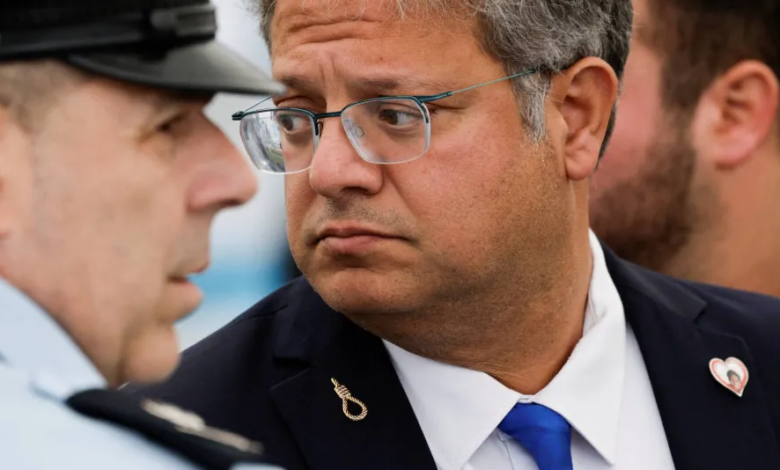
يُعرف إيتمار بن غفير بمواقفه اليمينية المتطرفة وسياساته العدائية تجاه الفلسطينيين وكل من يتضامن معهم. منذ توليه منصب وزير الأمن القومي، عمل بن غفير على تشديد الإجراءات القمعية، وتوسيع صلاحيات الشرطة وقوات الأمن للتعامل بقسوة مع الناشطين السلميين. إن استهدافه المباشر لناشطي أسطول غزة يعكس استراتيجية ممنهجة تهدف إلى ترهيب المتضامنين الدوليين ومنع أي جهود إنسانية تسعى لتسليط الضوء على المعاناة في قطاع غزة أو تقديم الدعم المباشر لسكانه.
أهمية الحدث والتأثير المتوقع
التأثير المحلي والإقليمي
على الصعيد المحلي، تزيد هذه الأفعال من حالة الاحتقان والتوتر داخل الأراضي الفلسطينية، وتدفع نحو مزيد من التصعيد الميداني. أما إقليمياً، فإن الإدانات الصادرة عن جامعة الدول العربية ومنظمة التعاون الإسلامي تعكس حالة الغضب الشعبي والرسمي في العالمين العربي والإسلامي. هذه التطورات من شأنها أن تعرقل أي جهود للتهدئة أو مساعي التطبيع في المنطقة، حيث تضع الحكومات العربية أمام ضغط شعبي متزايد لاتخاذ مواقف أكثر حزماً تجاه الانتهاكات الإسرائيلية.
التأثير الدولي
دولياً، تضع أفعال بن غفير المجتمع الدولي ومنظمات حقوق الإنسان أمام اختبار حقيقي لمصداقيتها في الدفاع عن القانون الدولي. من المتوقع أن تؤدي هذه الممارسات إلى زيادة العزلة الدبلوماسية للحكومة الإسرائيلية الحالية، وتصاعد الدعوات في المحافل الدولية، مثل الأمم المتحدة ومجلس حقوق الإنسان، لفرض عقوبات أو اتخاذ إجراءات قانونية ضد المسؤولين الإسرائيليين المتورطين في قمع الناشطين السلميين ومنع وصول المساعدات الإنسانية.
خاتمة
في الختام، تمثل الإدانة العربية والإسلامية لأفعال بن غفير بحق ناشطي أسطول غزة رسالة واضحة برفض سياسات القمع والحصار. إن استمرار هذه الممارسات لن يؤدي إلا إلى تفاقم الأزمات الإنسانية والسياسية في المنطقة، مما يستدعي تدخلاً دولياً عاجلاً لحماية الناشطين وضمان وصول المساعدات الإنسانية إلى قطاع غزة دون عوائق.