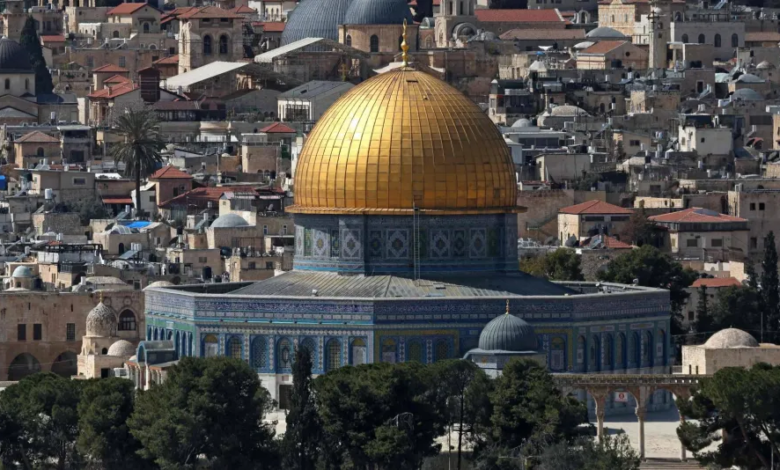
Widespread Arab and Islamic condemnation of the continued closure of Al-Aqsa Mosque

Widespread Arab and Islamic condemnation of Israeli violations
Arab and Islamic condemnation has surged to unprecedented levels in response to the Israeli authorities' continued policy of closing the Al- Aqsa Mosque to worshippers. Numerous Arab and Islamic countries, along with regional and international organizations, have expressed their strong condemnation of this move, which constitutes a blatant violation of freedom of worship and international laws guaranteeing the protection of religious sites during times of conflict, warning against the consequences of persisting in these provocative policies.
The historical context and religious significance of Al-Aqsa Mosque
Al-Aqsa Mosque holds a profound place in the hearts and minds of over 1.5 billion Muslims worldwide. It is the first Qibla (direction of prayer) and the third holiest site in Islam. Historically, since the occupation of East Jerusalem in 1967, there has been international consensus to maintain the status quo, which guarantees Muslims the exclusive right to pray within the Al-Aqsa compound, under the supervision and administration of the Islamic Waqf Department of the Hashemite Kingdom of Jordan. Any attempt to alter this historical and legal status quo has always been met with categorical rejection. The current closure policy is reminiscent of major historical events, such as the electronic gates crisis in 2017, which led to widespread popular uprisings and severe security tensions, underscoring that any infringement upon Al-Aqsa is a red line that cannot be crossed under any circumstances.
Regional and international repercussions of continued lockdown
Regionally, the continued closure of Al-Aqsa Mosque a dangerous escalation that could engulf the entire Middle East. The ongoing provocations against Muslim sentiments are fueling public anger, jeopardizing any efforts to achieve de-escalation or resume the peace process. Internationally, these actions place the international community before its legal and moral responsibilities. Major organizations such as the Arab League and the Organization of Islamic Cooperation have warned that international silence in the face of these violations encourages further transgressions, and have called on the UN Security Council to intervene immediately and urgently to halt these practices and provide international protection for the Palestinian people.
Calls for international community intervention
Statements issued by Arab and Islamic capitals affirmed the necessity for Israel, as the occupying power, to abide by its obligations under international humanitarian law, specifically the Fourth Geneva Convention. They demanded the immediate lifting of restrictions on the entry of worshippers and a halt to all forms of escalation in occupied Jerusalem. They also stressed the importance of supporting the steadfastness of the Palestinian people and protecting their Arab and Islamic identity in the face of ongoing attempts at Judaization aimed at erasing the historical landmarks of the holy city.
Summary of the situation
In conclusion, the issue of Al-Aqsa Mosque remains at the heart of the conflict in the region. Israel’s continued closure of its gates is not only an attack on freedom of worship, but also a direct threat to international peace and security. The current situation requires concerted global diplomatic efforts to pressure Israel to respect the historical and legal status quo in Jerusalem and its holy sites, and to prevent the region from being dragged into a new cycle of violence.