Arab condemnations of the US ambassador's statements regarding Israel's rights

The political and diplomatic arenas in the Arab and Islamic worlds witnessed a wave of anger and condemnation following the controversial statements made by the US ambassador, in which he addressed what he described as Israel's "right" in the Middle East. Many Arab capitals and major Islamic institutions considered these statements to be blatant bias and a violation of established diplomatic norms, necessitating a serious and unified stance to reject any infringement upon the historical and legal rights of the Arab peoples in the region.
These condemnations come at a sensitive historical juncture, as US policy in the Middle East has long been a subject of considerable controversy, particularly concerning the Arab-Israeli conflict. Arab and Islamic positions rejecting these statements are based on international law and UN Security Council and General Assembly resolutions, which affirm the illegitimacy of acquiring territory by force and call for a two-state solution as the only path to achieving a just and lasting peace. Observers believe that the US ambassador's statements blatantly contradict these principles and disregard decades of diplomatic efforts aimed at calming tensions in the region.
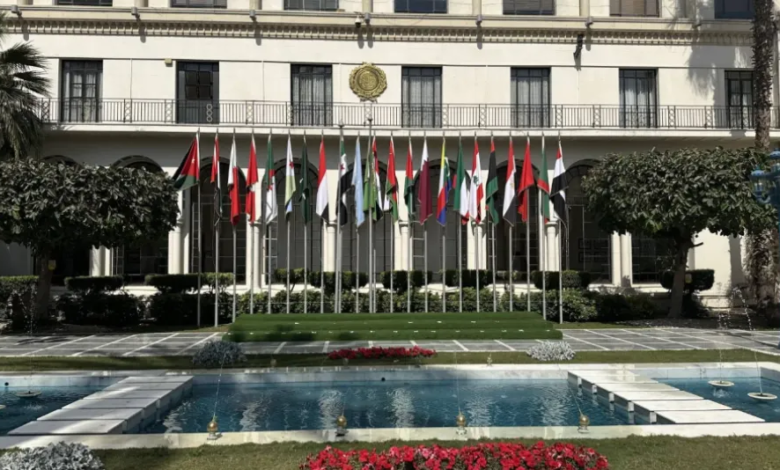
In response, major regional and international organizations, such as the Arab League and the Organization of Islamic Cooperation, quickly issued strongly worded statements warning of the dangers of adopting such narratives, which legitimize the occupation and negate Palestinian and Arab rights. These statements emphasized that speaking of Israel's "right" in absolute terms ignores historical and geographical realities and encourages Israel to continue its settlement and expansionist policies, thus undermining any real chance of resuming peace negotiations in the near future.
Regionally and internationally, these statements are expected to have negative repercussions on diplomatic relations between the United States and several Arab and Islamic countries. Such stances could erode confidence in the US role as an impartial mediator in the peace process and push countries in the region to seek alternative international alliances to protect their interests. Strategic experts also warn that inflaming public sentiment in the Arab and Islamic world could lead to instability and fuel extremist movements that exploit such statements to justify their agendas, thus threatening regional security and peace.
In conclusion, official and popular positions converged on the necessity for American diplomacy to adhere to neutrality and objectivity, and to refrain from any statements that could alter the status quo or prejudge the outcome of final status negotiations. The Arab and Islamic position remains steadfast in its commitment to international law as the sole framework for resolving conflicts, and in its rejection of any attempts to impose a fait accompli in a region already suffering from complex geopolitical tensions.