Arab condemnations of the US ambassador's statements in Israel: details of the crisis

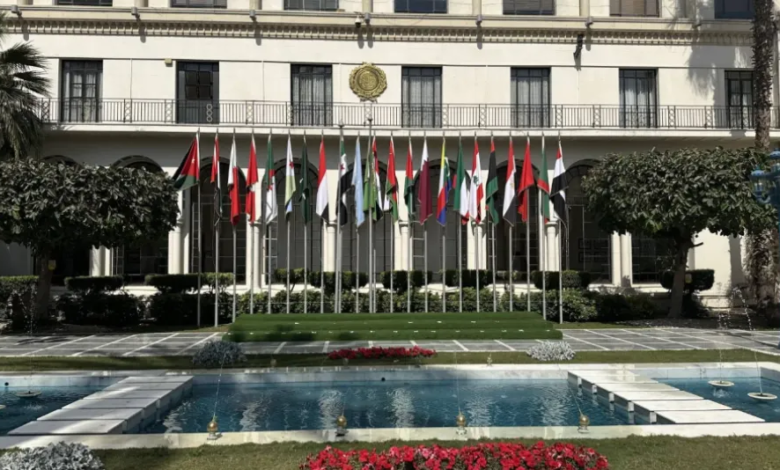
The political and diplomatic arena witnessed a wave of widespread Arab and Islamic condemnation in response to recent statements made by the US ambassador to Israel. Many Arab capitals and Islamic organizations considered these statements a blatant departure from diplomatic norms and a bias that threatens the stability of the region, prompting immediate diplomatic action to express their categorical rejection of the content of those remarks.
Official reactions and warnings of escalation
Official statements issued by the foreign ministries of several Arab and Islamic countries followed, all emphasizing that such positions do not serve de-escalation efforts but rather exacerbate tensions in a region already suffering from chronic instability. The Organization of Islamic Cooperation and the League of Arab States, in separate statements, stressed the danger of adopting such proposals, which could be interpreted as a green light for further violations of legitimate Palestinian rights, and called on the international community to uphold its responsibilities in curbing any actions that could undermine the prospects for a peaceful solution.
General context and historical background
These statements come at a time of delicate shifts in international relations regarding the Middle East. Historically, statements by US ambassadors have been carefully vetted to ensure they do not contradict declared US foreign policy. However, recent years have witnessed notable divergences in diplomatic discourse. Issues such as settlements, the legal status of Jerusalem, and the 1967 borders have long been considered red lines in international law and UN Security Council resolutions. Any transgression against these issues through diplomatic statements sets a dangerous precedent that provokes Arab and Muslim sentiments and disregards the international framework for the peace process.
The importance of the event and its expected impact
The significance of these condemnations lies not merely in their being a perfunctory reaction, but rather in their reflection of genuine concerns about fundamental shifts in US policy toward the Arab-Israeli conflict. Domestically, these statements could exacerbate tensions on the Palestinian street and fuel confrontations. Regionally, they could strain relations between Washington and several of its strategic allies in the region who view the two-state solution as the cornerstone of stability. Internationally, the continuation of this approach could isolate the US position as an impartial mediator in the peace process, opening the door for other international powers to attempt to fill the political vacuum, which could radically reshape alliances in the Middle East.