Arab and Islamic countries join the Gaza Peace Council: Details of the initiative

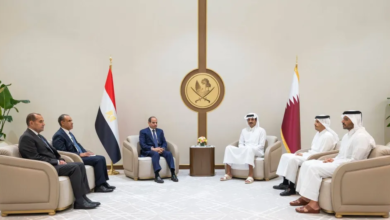
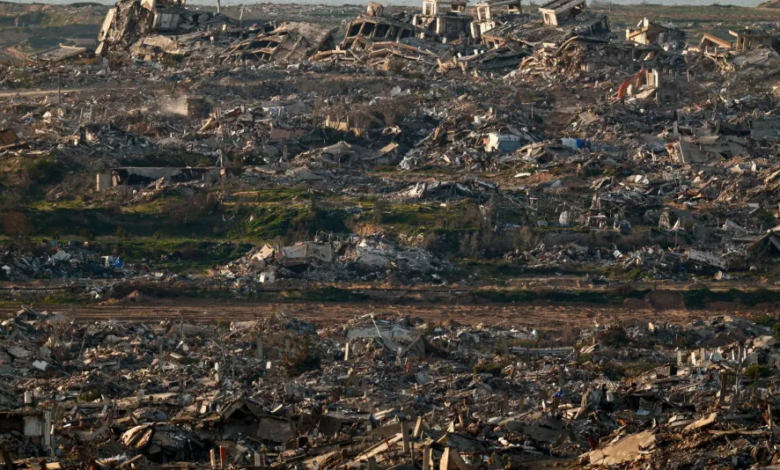
In a diplomatic move reflecting the extent of regional and international concern for ending the humanitarian crisis in Gaza, diplomatic sources announced the joining of a group of Arab and Islamic countries to what has become known as the "Peace Council" in Gaza. This step comes at a critical juncture for the region, as international calls intensify for the establishment of a unified and effective mechanism to achieve a ceasefire and initiate a serious political process.
Historical context and ongoing diplomatic efforts
This initiative did not emerge from a vacuum; rather, it is the culmination of a long series of summits and emergency meetings convened by the League of Arab States and the Organization of Islamic Cooperation since the outbreak of the crisis. Historically, Arab and Islamic states have played a pivotal role in attempts to bridge the divide and present peace initiatives, from the Arab Peace Initiative to the ministerial committees emanating from the joint Arab-Islamic summit. This new bloc aims to unify these disparate efforts and forge them into a single diplomatic force capable of addressing the international community with a clear and influential voice.
The importance of timing and strategic objectives
The formation of this council, or joining it, is of paramount importance given the stalemate in traditional negotiations. The strategic significance of this initiative lies in several key points, most notably the development of a unified vision for the post-war period, ensuring the unimpeded flow of humanitarian aid, and establishing a clear roadmap for reconstruction. A strong Arab-Islamic bloc would provide Palestinian and Arab negotiators with additional leverage in the face of Israeli intransigence and international hesitation.
Expected regional and international impact
This movement is expected to have far-reaching effects extending beyond Gaza. Regionally, this coordination contributes to reducing tensions and preventing the conflict from spreading to other fronts, which serves the national security interests of neighboring countries. Internationally, this joining forces places major powers, particularly the United States and the European Union, before their moral and legal responsibilities, as the Arab and Islamic consensus demanding justice and the application of international law can no longer be ignored.
Towards a sustainable political solution
In conclusion, the role of the member states of this council is not limited to procedural aspects alone, but extends to pushing for a sustainable political solution that guarantees the rights of the Palestinian people. Reviving the peace process based on international law and the two-state solution requires strong political support, which these countries seek to provide through this bloc, emphasizing that stability in the Middle East will only be achieved by addressing the root causes of the conflict, not merely its consequences.