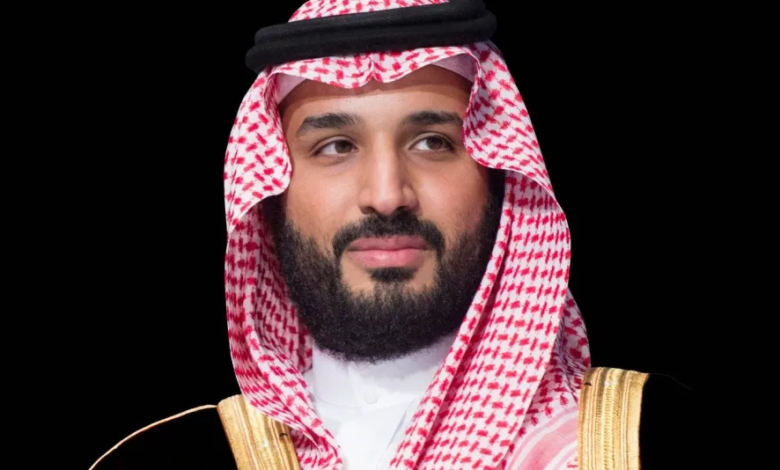
The Saudi Crown Prince affirms the Kingdom's solidarity with the Gulf leaders

His Royal Highness Prince Mohammed bin Salman bin Abdulaziz, Crown Prince and Prime Minister, affirmed the Kingdom of Saudi Arabia's unwavering stance towards its brothers in the Gulf Cooperation Council (GCC) countries, emphasizing the Kingdom's complete solidarity and steadfast support for the leaders and peoples of the Gulf Arab states. This affirmation reflects the depth of the fraternal relations and shared destiny that bind the GCC countries amidst the rapid changes witnessed in the region and the world.
Historical context and strategic depth
These statements are based on a long history of joint cooperation since the establishment of the Gulf Cooperation Council (GCC) in 1981. The Kingdom of Saudi Arabia has always played a pivotal role, as the elder sister, in strengthening fraternal ties and bridging differences among member states. This solidarity is an extension of the Kingdom's steadfast policy, which views the security and stability of the Gulf states as an integral part of its own national security. This was clearly demonstrated in the outcomes of the Al-Ula Summit, which laid the foundation for a new phase of joint Gulf action based on unity and consensus.
The importance of the event and its regional and international impact
The Crown Prince's affirmation is of paramount strategic importance at this juncture, as the Middle East faces complex geopolitical and economic challenges. This message of solidarity sends reassuring signals to the Gulf states and confirms to the outside world that they stand united against any threats to their stability. Regionally, this stance strengthens the Gulf Cooperation Council's ability to play an active role in resolving regional conflicts and leading peace initiatives, thus solidifying the Gulf's position as a pillar of stability in the Middle East.
Economic integration and vision for the future
The solidarity highlighted by His Royal Highness the Crown Prince extends beyond political and security aspects to encompass economic and developmental integration. Under the Kingdom's Vision 2030, Saudi Arabia seeks to transform the region into a global economic powerhouse through interconnection projects, the Gulf Common Market, and the unification of economic policies. The success of the Kingdom's development plans will positively impact all GCC countries, opening up vast investment opportunities and creating new jobs for the region's youth, thus affirming that this shared destiny also includes prosperity and well-being for all the people of the Gulf.
In conclusion, the Crown Prince’s speech represents a roadmap for the future of Gulf relations, as it places solidarity and joint action as the cornerstone for facing future challenges and ensuring the continuation of the path of growth and stability enjoyed by the GCC countries.