
تصاعدت حدة الإدانات في العالمين العربي والإسلامي رداً على ما وصفته دول ومنظمات بأنه استمرار لـ الانتهاكات الإسرائيلية في الأقصى، والتي شملت اقتحامات من قبل مستوطنين وقيوداً على دخول المصلين إلى المسجد المبارك. وأثارت هذه الممارسات موجة غضب واسعة، حيث صدرت بيانات رسمية وشعبية من مختلف العواصم، محذرة من العواقب الوخيمة لهذه الأعمال الاستفزازية التي تمس بمشاعر ملايين المسلمين حول العالم.
جذور التوتر ومكانة الأقصى التاريخية
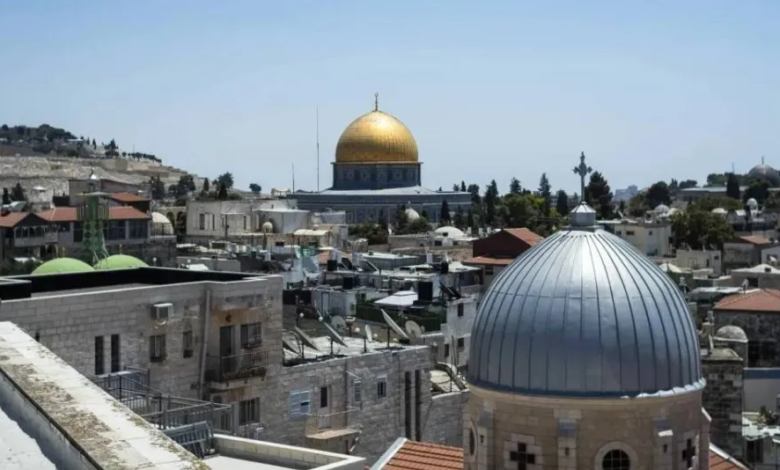
لا يمكن فهم حجم ردود الفعل الغاضبة دون العودة إلى المكانة الدينية والتاريخية العميقة للمسجد الأقصى المبارك لدى المسلمين، فهو ليس مجرد مكان للعبادة، بل هو أولى القبلتين وثالث الحرمين الشريفين. يقع الحرم القدسي الشريف، الذي يضم المسجد الأقصى وقبة الصخرة، في قلب مدينة القدس القديمة، ويمثل رمزاً محورياً في الهوية الفلسطينية والإسلامية. الوضع التاريخي والقانوني القائم في الحرم، والذي يعود إلى العهد العثماني وتم تأكيده مراراً، يمنح الأردن دور الوصاية على المقدسات الإسلامية والمسيحية في القدس، وينص على أن الحرم هو مكان عبادة خالص للمسلمين.
أبعاد الرفض: إدانات واسعة ضد الانتهاكات الإسرائيلية في الأقصى
تتخذ الانتهاكات الإسرائيلية في الأقصى أشكالاً متعددة، أبرزها السماح لمجموعات من المستوطنين المتطرفين باقتحام باحات المسجد بشكل دوري تحت حماية مشددة من الشرطة الإسرائيلية، وهي أعمال يعتبرها الفلسطينيون والعالم الإسلامي استفزازاً خطيراً ومحاولة لتغيير الوضع القائم. بالإضافة إلى ذلك، تفرض السلطات الإسرائيلية في كثير من الأحيان قيوداً على أعمار المصلين المسموح لهم بالدخول، خاصة خلال فترات التوتر وصلاة الجمعة، مما يمنع الآلاف من ممارسة حقهم في العبادة. وقد صدرت إدانات قوية من جامعة الدول العربية ومنظمة التعاون الإسلامي، اللتين أكدتا في بيانات منفصلة رفضهما القاطع لهذه الممارسات ودعتا المجتمع الدولي، وخاصة مجلس الأمن، إلى تحمل مسؤولياته لحماية المقدسات ووقف التصعيد.
تداعيات إقليمية ودولية
تمتد تداعيات هذه الأحداث إلى ما هو أبعد من القدس، حيث إنها تشعل فتيل التوتر في كافة الأراضي الفلسطينية وتؤجج مشاعر الغضب في المنطقة بأسرها. وغالباً ما تكون هذه الانتهاكات شرارة لمواجهات أوسع، مما يهدد استقرار المنطقة الهش أصلاً. على الصعيد الدولي، تثير هذه الممارسات قلقاً متزايداً لدى القوى العالمية التي تدعو باستمرار إلى ضبط النفس واحترام الوضع القائم في الأماكن المقدسة. وتؤكد التحذيرات الدبلوماسية أن أي محاولة للمساس بقدسية الأقصى أو تغيير هويته الإسلامية ستكون لها عواقب وخيمة على جهود السلام المتعثرة وتزيد من تعقيد الصراع الفلسطيني الإسرائيلي.
في ظل هذا التصعيد، تتجدد الدعوات الفلسطينية والعربية لضرورة توفير حماية دولية للمقدسات في القدس، ووقف السياسات الإسرائيلية التي تهدف إلى فرض واقع جديد في الحرم القدسي الشريف. ويبقى الوضع في محيط المسجد الأقصى نقطة محورية وحساسة للغاية، حيث إن أي شرارة قد تشعل حريقاً يصعب السيطرة عليه، مما يضع المنطقة بأكملها أمام تحديات أمنية وسياسية جسيمة.