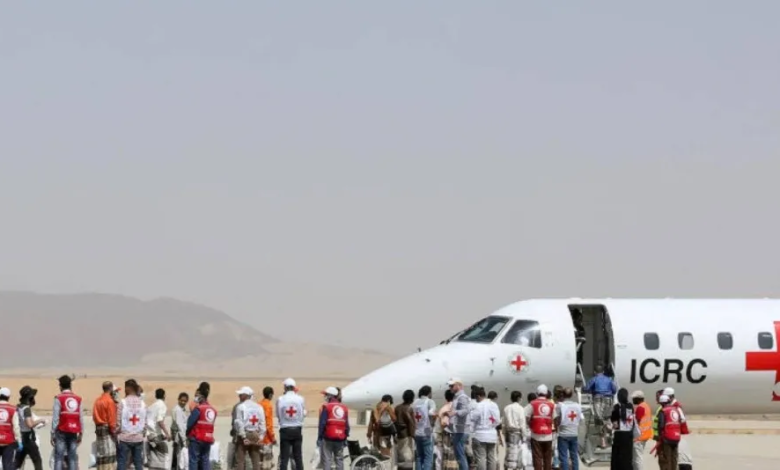
Arab welcome for the prisoner exchange agreement in Yemen: a step towards peace

The recent agreement reached between the Yemeni government and the Houthi group regarding the exchange of hundreds of detainees and prisoners has been widely welcomed across the Arab and Islamic world. This step is considered a major humanitarian achievement and a significant breakthrough in the years-long Yemeni crisis. Official statements from regional organizations and Arab states have followed, praising the efforts of the United Nations and the International Committee of the Red Cross in facilitating this agreement.
Welcoming regional and international reactions
The General Secretariat of the Organization of Islamic Cooperation (OIC) expressed its profound welcome for this agreement, affirming that it represents a crucial humanitarian step that will contribute to alleviating the suffering of thousands of Yemeni families who have long awaited the return of their loved ones. The Gulf Cooperation Council (GCC) also commended the positive spirit that prevailed during the negotiations, considering this progress a reflection of the Yemeni parties' desire to prioritize the national interest and build trust, which is a fundamental pillar for any future political negotiations.
General context and historical background
This agreement comes at a highly sensitive time for the Yemeni conflict, which has been ravaged by bloodshed since 2014, resulting in one of the world's worst humanitarian crises, according to the United Nations. The issue of prisoners and detainees is among the most complex and sensitive, having been part of the 2018 Stockholm Agreement, but its implementation has faced numerous obstacles over the years. The successful conclusion of this deal is the culmination of lengthy negotiations hosted by Switzerland and Jordan under UN auspices, with logistical and diplomatic support from regional states.
The importance of the event and its expected impact
The importance of this agreement lies in its multiple dimensions. On the humanitarian level, it will reunite hundreds of families and end years of forced detention. On the political level, the success of the exchange strengthens the chances of extending the humanitarian truce and transforming it into a permanent ceasefire. Observers believe that building trust through humanitarian efforts is the most realistic approach to reaching a comprehensive political settlement that ends the war.
Regionally, the agreement reflects the success of diplomatic efforts led by Saudi Arabia and Oman to bridge the gap between the Yemeni parties, thus enhancing stability in the Arabian Peninsula and the Red Sea region. This achievement is expected to pave the way for further positive steps, including reopening closed roads and facilitating the movement of people and goods, which will positively impact the economic and living conditions of the Yemeni people.