
Introduction to the upcoming Arab ministerial meeting
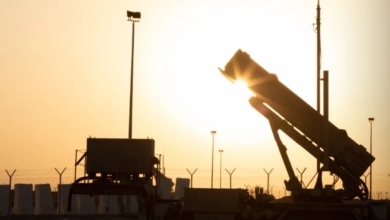
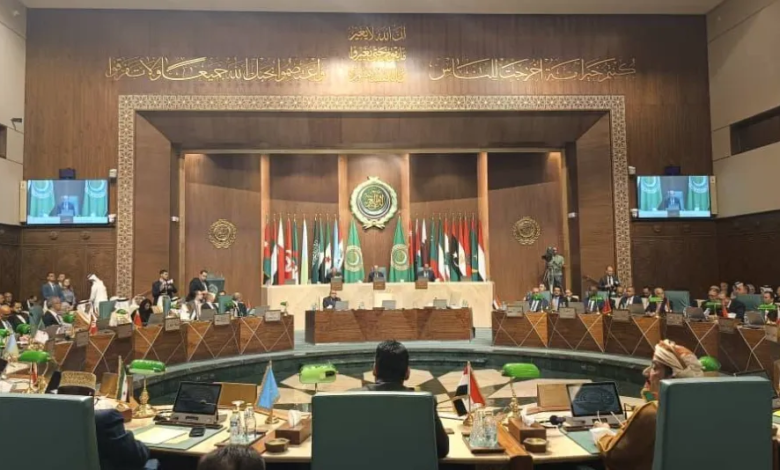
Amid the rapidly evolving situation in the Middle East, political and diplomatic circles are anticipating an important emergency meeting of Arab ministers. This meeting aims to discuss the repercussions of the recent Iranian attacks and explore ways to address the ongoing regional escalation that threatens the security and stability of the entire region. These diplomatic moves come in response to the urgent need to unify Arab visions and positions regarding the growing security challenges, and to ensure the protection of Arab states' sovereignty and strategic interests.
General context and historical background of regional tensions
Historically, Iranian interference in the internal affairs of Arab states has been a central focus of meetings at the Arab League and the Gulf Cooperation Council. The past decades have witnessed recurring tensions stemming from Tehran's support for armed factions and groups in several Arab countries, including Yemen, Lebanon, Syria, and Iraq. This support has complicated the political and security landscape, creating pockets of ongoing conflict. In the current context, these attacks coincide with unprecedented instability in the region, particularly given the continuation of armed conflicts and their direct impact on international shipping lanes in the Red Sea and the Bab el-Mandeb Strait, adding a dangerous economic and security dimension to the crisis.
The importance of the event and its expected impact at all levels
Local and regional impact
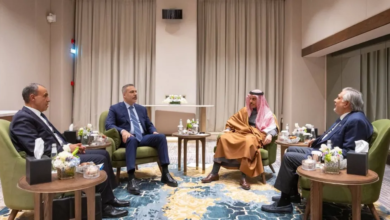
At both the local and regional levels, this Arab ministerial meeting is of paramount importance as it represents a vital platform for formulating a unified and firm Arab stance. The meeting is expected to produce resolutions and recommendations that affirm the rejection of any infringement upon Arab sovereignty and demand an immediate cessation of escalation. Ministers will also discuss mechanisms for strengthening joint security and defense cooperation among member states to confront cross-border threats, protect critical infrastructure, and ensure the safety of citizens under these exceptional circumstances.
International and economic impact
Internationally, the world is closely watching the outcomes of this meeting, given the geopolitical and economic importance of the Arab region. Any large-scale regional escalation threatens dire consequences for global energy markets, as a significant portion of oil and gas supplies pass through the region's straits. Moreover, stability in the Middle East is a cornerstone of international peace and security. Therefore, the meeting is likely to send clear messages to the major powers and the UN Security Council, urging them to uphold their legal and moral responsibilities in maintaining international peace and security, and to pressure the parties involved to adhere to the rules of international law and the UN Charter.
Summary and future prospects
In conclusion, the upcoming Arab ministerial meeting represents a crucial diplomatic step at a highly critical juncture. Its success in producing practical decisions and a unified stance will be decisive in de-escalating tensions and paving the way for political and diplomatic solutions, rather than sliding into a full-blown military confrontation with potentially disastrous consequences. The hope remains pinned on the ability of Arab diplomacy to manage this crisis wisely and effectively to safeguard the region's future.