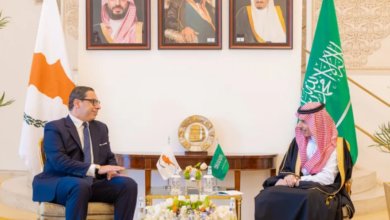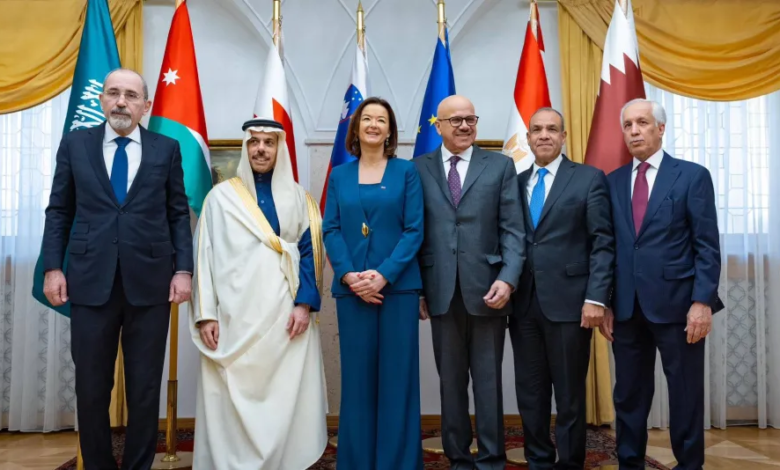

Diplomatic circles have recently witnessed intense activity, exemplified by high-level Arab-Slovenian talks aimed primarily at coordinating positions and garnering international support for the Middle East peace plan. These talks come at a critical juncture for the region, necessitating a concerted international and European effort alongside Arab endeavors to advance sustainable political solutions that guarantee security and stability.
The importance of Arab-Slovenian coordination
These talks are of particular strategic importance given the growing role that the Republic of Slovenia is currently playing on the international stage. On the one hand, Slovenia holds a non-permanent seat on the UN Security Council, giving it an influential voice in UN resolutions concerning Arab issues, particularly the Palestinian question. On the other hand, Slovenia is among the European voices that have demonstrated a deep understanding of Arab rights, as evidenced by its recent diplomatic initiatives and its support for the two-state solution as the only way to end the conflict.
Historical background and political context
These discussions cannot be separated from the historical context of Arab-European relations, as Arab states seek, through these meetings, to build bridges of understanding with EU member states that adopt balanced positions. These efforts complement a long history of initiatives, most notably the Arab Peace Initiative launched in 2002, which remains the fundamental framework for the Arab vision of a comprehensive and just peace. In its dialogues with the Slovenian side, the Arab side emphasizes the necessity of activating international recognition of the State of Palestine and implementing resolutions of international law.
Expected impact locally and regionally
This joint coordination is expected to yield tangible results on several levels. At the European level, Slovenian positions may encourage other European countries to take similar steps in supporting the peace process and recognizing Palestinian rights, thus creating a European bloc that exerts pressure in favor of de-escalation. Regionally, the success of these talks strengthens the Arab negotiating position and underscores that military solutions cannot bring security, and that the political and diplomatic track is the only viable option.
Future prospects and international action
The talks also addressed mechanisms for future cooperation within international organizations and how to leverage Slovenian support to propose draft resolutions that promote humanitarian and political stability in the region. Observers emphasize that the continued diplomatic momentum between the Arab Group and Slovenia is a positive indicator of growing international awareness of the need to find a just and lasting solution to the long-standing issues in the Middle East.