
تفاصيل البيان العربي السداسي وإدانة التدخلات الإقليمية
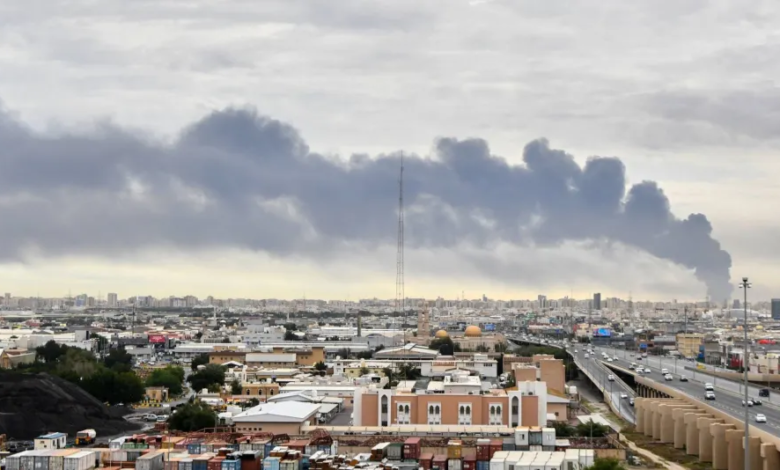
أصدرت مجموعة من الدول العربية، في إطار تنسيق دبلوماسي سداسي مشترك، بياناً رسمياً وحازماً يدين بشدة الاعتداءات المتكررة التي تنفذها الفصائل العراقية الموالية لإيران. ويأتي هذا البيان الهام في ظل تصاعد التوترات الإقليمية غير المسبوقة، ومحاولات بعض الجماعات المسلحة الخارجة عن القانون زعزعة استقرار المنطقة من خلال هجمات غير مبررة تستهدف المدنيين، والبنى التحتية الاقتصادية، والمصالح الحيوية لدول الجوار. وأكد البيان العربي المشترك أن هذه التصرفات العدائية تمثل انتهاكاً صارخاً للقوانين والأعراف الدولية، وتعدياً واضحاً على سيادة الدول وأمنها القومي، مما يستوجب موقفاً موحداً لردعها.
السياق العام والخلفية التاريخية لتمدد الفصائل المسلحة
لفهم أبعاد هذا البيان، يجب النظر إلى السياق العام والخلفية التاريخية للأزمة. تعود جذور هذه التوترات إلى سنوات من التدخلات الإقليمية الممنهجة في الشأن الداخلي العراقي، حيث برزت وتنامت العديد من الفصائل المسلحة التي تدين بالولاء العقائدي والسياسي والمالي لطهران. منذ عام 2003، وتحديداً بعد الفراغ الأمني والسياسي الذي شهده العراق، استغلت هذه الجماعات الظروف المعقدة لتوسيع نفوذها العسكري والسياسي داخل مؤسسات الدولة وخارجها. وعلى الرغم من محاولات الحكومات العراقية المتعاقبة لدمج بعض هذه الفصائل ضمن مؤسسات الدولة الرسمية، إلا أن العديد منها استمر في العمل كأذرع مسلحة خارج نطاق سيطرة القائد العام للقوات المسلحة العراقية، منفذة أجندات خارجية تخدم مصالح إقليمية ضيقة على حساب المصلحة الوطنية العراقية العليا والأمن القومي العربي الشامل.
أهمية الحدث وتأثيره المتوقع على الساحة المحلية والإقليمية
يحمل هذا البيان السداسي أهمية استراتيجية وسياسية بالغة في هذا التوقيت الحساس. فهو يمثل رسالة عربية موحدة وقوية ترفض بشكل قاطع تحويل الأراضي العراقية إلى منصة لاستهداف دول الجوار أو ساحة لتصفية الحسابات الإقليمية والدولية. على الصعيد المحلي العراقي، يضع هذا الموقف العربي الحكومة العراقية أمام مسؤولياتها السيادية والأمنية لفرض هيبة الدولة، وتطبيق القانون، وحصر السلاح بيد المؤسسات العسكرية والأمنية الرسمية. ويعتبر هذا المطلب ليس فقط مطلباً عربياً، بل هو مطلب شعبي عراقي بالدرجة الأولى لضمان استقرار البلاد، ودفع عجلة التنمية، وتجنيب العراق ويلات الحروب بالوكالة التي استنزفت موارده لعقود.
أما على الصعيد الإقليمي، فإن الإدانة الصريحة لاعتداءات الفصائل العراقية الموالية لإيران تعكس إدراكاً عربياً متزايداً لخطورة هذه الميليشيات على أمن الملاحة البحرية، وسلامة إمدادات الطاقة العالمية، واستقرار الدول المجاورة. وتؤكد الدول العربية من خلال هذا البيان أن أمن واستقرار العراق هو جزء لا يتجزأ من الأمن القومي العربي، وأن أي تهديد عسكري أو أمني ينطلق من أراضيه يمثل تهديداً مباشراً للمنظومة الإقليمية بأسرها، مما يستدعي تضافر الجهود لمواجهته.
التداعيات الدولية ومستقبل الاستقرار في الشرق الأوسط
على المستوى الدولي، يتزامن هذا الموقف العربي الحازم مع قلق عالمي متنامٍ من تصعيد الجماعات المسلحة والميليشيات في منطقة الشرق الأوسط. إن استمرار هذه الفصائل في هجماتها العابرة للحدود قد يؤدي إلى استدعاء ردود فعل دولية قاسية وتدخلات عسكرية أوسع، مما ينذر بتوسيع رقعة الصراع وخروجه عن السيطرة. ويؤكد المجتمع الدولي، بما في ذلك الأمم المتحدة والقوى الكبرى، باستمرار دعمه لجهود الدول العربية في الحفاظ على الاستقرار الإقليمي، مشدداً على ضرورة التزام جميع الأطراف بخفض التصعيد واللجوء إلى الحوار الدبلوماسي لحل الخلافات. ختاماً، يشكل البيان السداسي خطوة دبلوماسية متقدمة تهدف إلى رسم خطوط حمراء واضحة أمام التدخلات الخارجية، والتأكيد على التضامن العربي المشترك في مواجهة التحديات الأمنية والسياسية التي تعصف بالمنطقة.