
إنجاز تاريخي للكرة العربية في المونديال
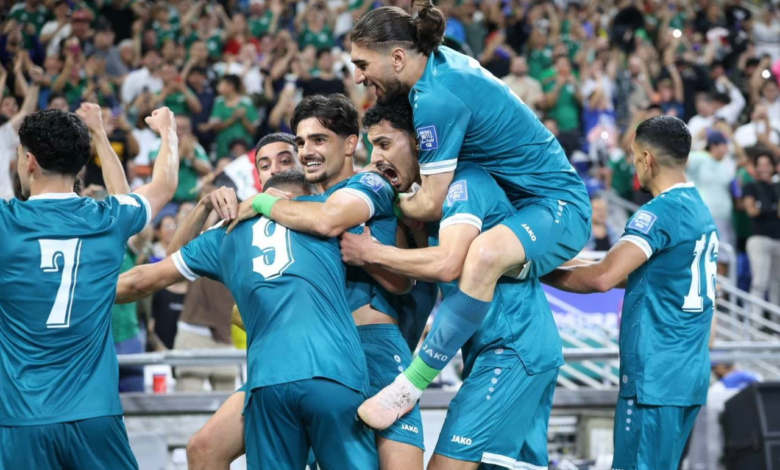
في حدث رياضي استثنائي يعكس التطور الكبير الذي تشهده كرة القدم في منطقة الشرق الأوسط وشمال إفريقيا، اكتمل رسمياً عقد المنتخبات المتأهلة إلى نهائيات كأس العالم 2026. وقد جاء هذا الاكتمال بعد إعلان تأهل المنتخب العراقي الأول لكرة القدم، ليحجز البطاقة العربية الثامنة في المونديال القادم. وجاء تأهل “أسود الرافدين” إثر تحقيق فوز مستحق ومثير بنتيجة 2-1 على حساب منتخب بوليفيا في المباراة النهائية للملحق العالمي، والتي أقيمت في مدينة مونتيري المكسيكية.
عودة تاريخية لأسود الرافدين بعد غياب 40 عاماً
يحمل تأهل المنتخب العراقي طابعاً عاطفياً وتاريخياً خاصاً، حيث يعود للمشاركة في العرس الكروي العالمي بعد غياب دام 40 عاماً. ومن المفارقات العجيبة أن المشاركة الأولى والوحيدة للعراق كانت في نسخة عام 1986 التي أقيمت في المكسيك أيضاً، ليعود الجيل الحالي ويسطر إنجازاً جديداً على نفس الأراضي. هذا التأهل يعكس حجم التخطيط والجهد المبذول لتطوير المواهب الكروية العراقية، ويمنح الجماهير الرياضية فرحة طال انتظارها.
حضور عربي قياسي في مونديال 2026
بفضل هذا التأهل، ارتفع عدد المنتخبات العربية المشاركة في مونديال 2026 إلى 8 منتخبات، وهو رقم قياسي غير مسبوق في تاريخ البطولة. تتوزع هذه المنتخبات بالتساوي بين قارتي آسيا وإفريقيا، بواقع أربعة منتخبات لكل قارة. فمن القارة الآسيوية، تأهلت منتخبات: المملكة العربية السعودية، قطر، العراق، والأردن. أما من القارة الإفريقية، فقد حجزت منتخبات: المغرب، مصر، الجزائر، وتونس مقاعدها بجدارة. هذا التواجد المكثف يشكل النسبة الأكبر للحضور العربي في تاريخ كؤوس العالم.
السياق التاريخي وتأثير زيادة مقاعد المونديال
لا يمكن فصل هذا الإنجاز عن التعديلات الجذرية التي أقرها الاتحاد الدولي لكرة القدم (فيفا) بزيادة عدد المنتخبات المشاركة في نسخة 2026 إلى 48 منتخباً. هذه الخطوة منحت قارتي آسيا وإفريقيا مقاعد إضافية، مما فتح الباب أمام المنتخبات العربية لاستثمار تطورها الفني. علاوة على ذلك، يأتي هذا النجاح امتداداً للصحوة الكروية العربية التي توجت بالإنجاز الإعجازي للمنتخب المغربي في مونديال قطر 2022 ببلوغه الدور نصف النهائي، مما كسر الحاجز النفسي وأثبت قدرة العرب على مقارعة كبار اللعبة.
خارطة المشاركات العربية: بين الخبرة والظهور الأول
تتباين خبرات المنتخبات العربية الثمانية في كأس العالم؛ حيث تتصدر منتخبات المغرب، تونس، والسعودية قائمة الأكثر حضوراً برصيد 7 مشاركات تاريخية لكل منها، مما يعكس استقراراً فنياً كبيراً. تليها الجزائر بـ 5 مشاركات، ثم مصر بـ 4 مشاركات. في المقابل، يثبت كل من العراق وقطر حضورهما للمرة الثانية في التاريخ. ويبقى الحدث الأبرز هو الاستعداد التاريخي للمنتخب الأردني (النشامى) لتسجيل ظهوره الأول على الإطلاق في المونديال، متوجاً مسيرته الرائعة التي برزت مؤخراً ببلوغه نهائي كأس آسيا 2023.
الأهمية والتأثير المتوقع للكرة العربية
إن هذا التواجد العربي المكثف لم يعد مجرد مشاركة شرفية، بل يعكس نقلة نوعية في مستوى الإدارة الرياضية وتطوير المواهب. محلياً، سيؤدي هذا التأهل إلى انتعاش اقتصادي رياضي وزيادة في الاستثمارات الموجهة للبنية التحتية. إقليمياً، يعزز من قوة المنافسة ويرفع من قيمة حقوق البث. أما دولياً، فإنه يضع هذه المنتخبات أمام مسؤولية كبرى لتقديم أداء يوازي حجم هذا الحضور التاريخي، ويوفر منصة عالمية لتسويق اللاعبين العرب للاحتراف في كبرى الدوريات الأوروبية.