
مقدمة عن أهمية متابعة طقس يوم عرفة
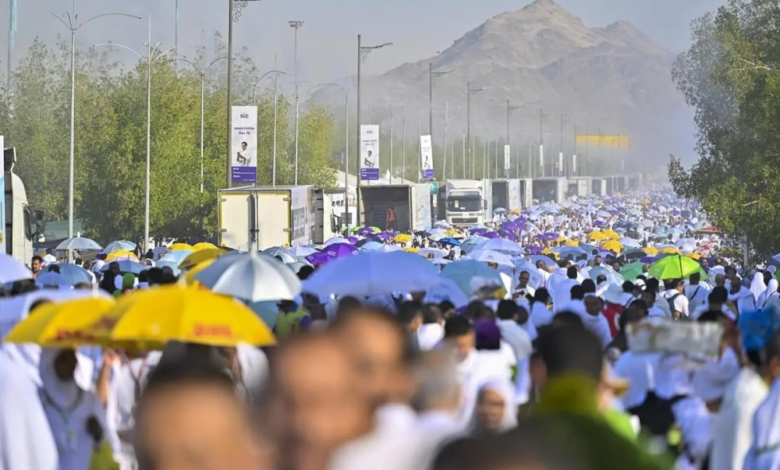
يعتبر يوم عرفة الركن الأعظم في فريضة الحج، حيث يجتمع ملايين المسلمين من شتى بقاع الأرض في مشعر عرفات الطاهر. وتاريخياً، لطالما أولت حكومة المملكة العربية السعودية اهتماماً بالغاً بمتابعة الأحوال الجوية خلال موسم الحج، نظراً لتأثيرها المباشر على صحة وسلامة ضيوف الرحمن. وتأتي التوقعات الجوية لتلعب دوراً حاسماً في مساعدة الجهات المعنية على تنظيم الحشود وتوفير الرعاية اللازمة، خاصة في ظل التغيرات المناخية التي قد تشهدها المنطقة من نشاط للرياح أو إثارة للأتربة، مما يتطلب استعداداً مبكراً لضمان راحة الحجاج.
تفاصيل حالة الطقس والرياح النشطة
وفي هذا السياق، توقع المركز الوطني للأرصاد في تقريره المفصل عن حالة طقس يوم عرفة (الثلاثاء)، استمرار تأثير الرياح النشطة المثيرة للأتربة والغبار على أجزاء واسعة من المملكة. وتشمل هذه الحالة الجوية 11 منطقة رئيسية، وهي: مكة المكرمة، المدينة المنورة، حائل، الجوف، والحدود الشمالية. كما يمتد تأثير هذه الرياح السطحية ليشمل أجزاء من مناطق القصيم، الرياض، المنطقة الشرقية، ونجران، لتصل أيضاً إلى الأجزاء الشرقية من منطقتي عسير والباحة. هذا النشاط في الرياح يتطلب من الحجاج والجهات العاملة أخذ الحيطة والحذر لضمان انسيابية المناسك وسلامة الجميع في المخيمات.
حالة الملاحة البحرية: البحر الأحمر والخليج العربي
أما فيما يخص حالة الملاحة البحرية، فقد أوضح التقرير تفاصيل حالة البحر الأحمر، حيث يُتوقع أن تكون الرياح السطحية شمالية غربية إلى شمالية بسرعة تتراوح بين 25 إلى 50 كيلومتراً في الساعة على الجزأين الشمالي والأوسط. بينما تكون الرياح شمالية غربية إلى غربية بسرعة 15 إلى 32 كيلومتراً في الساعة على الجزء الجنوبي. ويصاحب ذلك ارتفاع في الموج يتراوح من متر ونصف إلى مترين ونصف على الجزأين الشمالي والأوسط لتكون حالة البحر متوسط الموج إلى مائج، ومن نصف متر إلى متر ونصف على الجزء الجنوبي ليكون خفيف إلى متوسط الموج.
وبالانتقال إلى الخليج العربي، تشير التوقعات إلى أن الرياح السطحية ستكون شمالية إلى شمالية غربية على الجزأين الشمالي والأوسط، وشمالية غربية إلى جنوبية غربية على الجزء الجنوبي، وذلك بسرعة تتراوح بين 12 إلى 32 كيلومتراً في الساعة. وسيكون ارتفاع الموج من نصف متر إلى متر ونصف، مما يجعل حالة البحر خفيفة إلى متوسطة الموج، وهي ظروف تعتبر مستقرة نسبياً.
جهود المركز الوطني للأرصاد في مشعر عرفات
ولضمان أعلى معايير الدقة في رصد طقس يوم عرفة، أكد الدكتور تركي حبيب الله، المشرف العام على أعمال الحج والعمرة في المركز الوطني للأرصاد، أن المركز يتابع الحالة الجوية في مشعر عرفات على مدار الساعة. ويتم ذلك من خلال منظومة متكاملة من التقنيات الحديثة التي تشمل رادارات الطقس المتقدمة، وصور الأقمار الصناعية عالية الدقة، والمحطات الأوتوماتيكية والمأهولة. بالإضافة إلى ذلك، يتم استخدام المحطات المتنقلة لقياس طبقات الجو العليا، مما يسهم بشكل فعال في توفير قراءات آنية ودقيقة تواكب متطلبات الجهات العاملة في الميدان.
التأثير المتوقع لحالة الطقس على ضيوف الرحمن
إن هذه الجهود الجبارة في مراقبة طقس يوم عرفة لها تأثير بالغ الأهمية على المستويين المحلي والدولي. محلياً، تمكن هذه البيانات الدقيقة الجهات الأمنية والصحية والدفاع المدني من توزيع كوادرها وتجهيز المخيمات بما يتناسب مع سرعة الرياح ومستويات الغبار. ودولياً، تعكس هذه الإجراءات الاستباقية مدى التزام المملكة بتسخير كافة إمكاناتها التقنية والبشرية لخدمة الحجاج القادمين من كل فج عميق، مما يضمن لهم أداء مناسكهم في بيئة آمنة ومستقرة، ويعزز من نجاح الخطط التشغيلية لموسم الحج.