Araghchi: The killing of the leaders does not threaten Iran's stability and the situation is under control

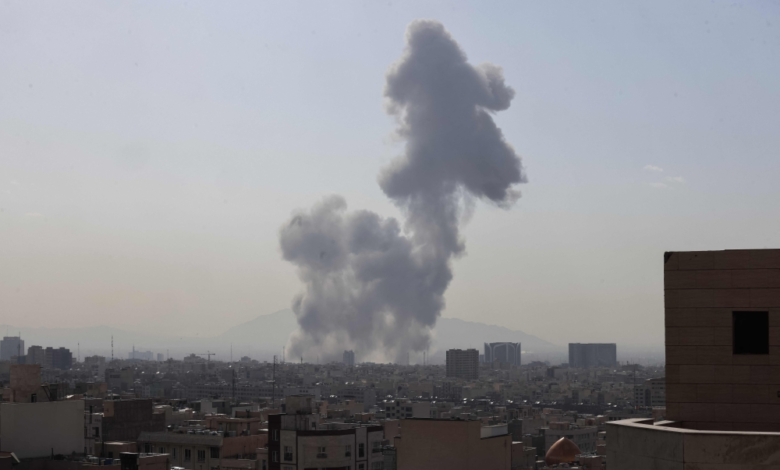
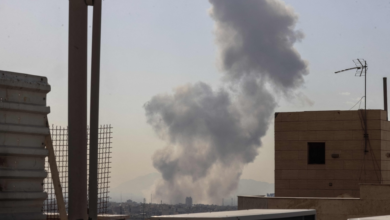
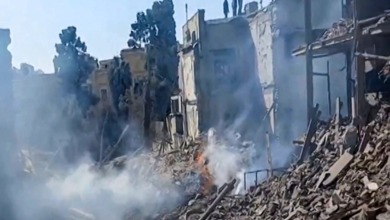
In a notable statement reflecting Tehran's attempt to contain the tense situation, Iranian Foreign Minister Abbas Araqchi downplayed reports of attacks targeting high-ranking military leaders in the country. These remarks came in response to media reports, including those carried by Reuters and other sources, suggesting the possible deaths of Iranian Defense Minister Aziz Nasirzadeh and Revolutionary Guard Ground Forces Commander Mohammad Pakpour in a major Israeli attack.
In his brief but decisive statement, Araqchi said, "Iran may have lost one or two commanders, but all officials are safe and alive," adding defiantly that "the loss of Iranian commanders is not a problem," while simultaneously asserting that the internal situation in Iran remains "completely under control." These statements come at a time of unprecedented regional turmoil, amid anticipation of the impact of these strikes on Tehran's command and control structure.
Context of the conflict and the assassination war
This news falls within the broader context of the open conflict between Israel and Iran, which has recently shifted from a phase of "shadow warfare" and cyber or proxy attacks to one of direct confrontation and the targeting of high-ranking officials. Historically, Israeli and American strategies for dealing with Iranian influence have relied on a policy of "decapitation," as seen in the 2020 assassination of Qassem Soleimani and the killing of other leaders in Syria and Lebanon. These operations typically aim to shock the military leadership and paralyze its ability to make swift decisions.
Implications of Araqchi's statements
The Iranian foreign minister's remarks carry profound political and military implications. He is attempting to reassure both the Iranian public and regional allies that the regime in Tehran relies more on institutions than on individuals. The Iranian Revolutionary Guard and the army possess a complex military hierarchy that ensures the continuation of operations even in the absence of prominent leaders. Araghchi's statements also aim to counter the psychological warfare waged by Israel, which seeks to portray Tehran as weak and vulnerable.
Expected regional and international impacts
Regionally, Iran’s allies in the “Axis of Resistance” are watching these developments with concern, as the defense minister and Revolutionary Guard commanders are vital links in logistical and military support. However, Tehran’s insistence that the situation is “under control” suggests the readiness of immediate leadership alternatives to prevent any security vacuum. Internationally, these events may be interpreted in Washington and European capitals as a dangerous escalation that could drag the region into a full-blown war, necessitating urgent diplomatic efforts to contain the situation before it spirals completely out of control.
In conclusion, the situation remains unclear pending final official confirmations or a public appearance by the aforementioned leaders. However, what is certain is that the region has entered a new phase of conflict, where the previous red lines no longer govern the rules of engagement between the two sides.