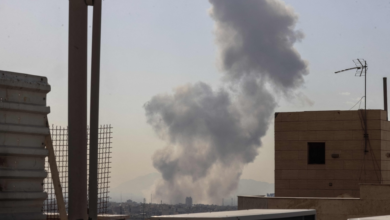
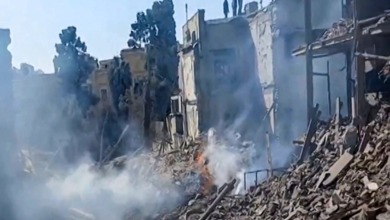
Araghchi: The killing of Revolutionary Guard commanders and the defense minister is not a problem, and the situation is under control

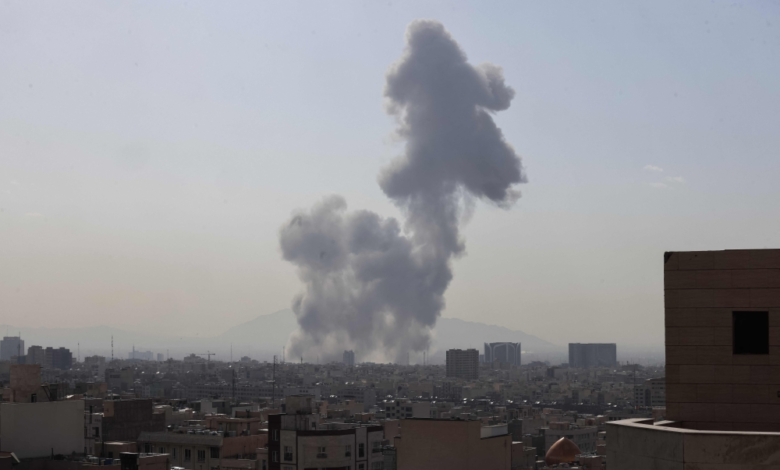
In notable remarks reflecting Tehran's strategy in dealing with escalating military pressure and persistent reports of targeted assassinations, Iranian Foreign Minister Abbas Araqchi downplayed reports of the deaths of prominent military leaders in the country. These remarks came in response to reports by Reuters and other sources regarding the possible deaths of Iranian Defense Minister Aziz Nasirzadeh (referred to in the reports as Amir Nasirzadeh) and the commander of the Revolutionary Guard's ground forces, Mohammad Pakpour, in Israeli attacks.
A message of reassurance and challenge at the same time
Araqchi acknowledged that the Islamic Republic may have lost one or two commanders in the current confrontation, but he categorically stressed that "all officials are safe and alive." He added defiantly that "the loss of Iranian commanders is not a problem," noting that Iran's military and political structure is not based solely on individuals, but on well-established institutions, and asserting that the overall situation in the country is "completely under control.".
General context: Shadow war and open confrontation
These statements come at a time of unprecedented tension in the Middle East, as the confrontation between Iran and Israel has moved from a phase of "shadow warfare" and covert intelligence operations to a more overt and direct one. Israeli and Western strategies for dealing with Iranian influence have long relied on targeting key figures and field commanders in an attempt to disrupt the command and control system. However, Araqchi's statements aim to send a clear message to the international community and to the Iranian public that the regime possesses the capacity to absorb painful blows and quickly rebuild its ranks.
The importance and impact of the targeted positions
The talk of targeting figures as prominent as the Minister of Defense and a commander in the Revolutionary Guard carries serious implications. The Ministry of Defense is responsible for logistical support and the development of military and missile industries, which form the backbone of Iran's deterrent capabilities, while the Revolutionary Guard represents the regime's ideological and military strike force. However, downplaying these potential losses suggests Tehran's desire to counter the psychological warfare accompanying military operations and to emphasize that the "axis of resistance" and the Iranian defense system operate according to institutional mechanisms that do not falter with the absence of specific individuals, no matter how high their rank.
Expected regional and international repercussions
Regionally, these statements could be interpreted as a sign of Iran's readiness for a prolonged escalation, and that it will not be drawn into impulsive, reckless reactions based on the loss of lives among its leaders. Internationally, major capitals are watching these developments with concern, as any official confirmation of the deaths of leaders at this level could open the door to various conflict scenarios, potentially extending beyond current geographical boundaries and encompassing vital shipping lanes and interests in the region. Araghchi's assertion that "the situation is under control" remains an attempt to manage the pace of events and prevent a descent into widespread chaos that could harm Iran's strategic interests at this sensitive juncture.