عراقجي: التواصل مع الولايات المتحدة مستمر دون تقدم | أخبار الشرق الأوسط

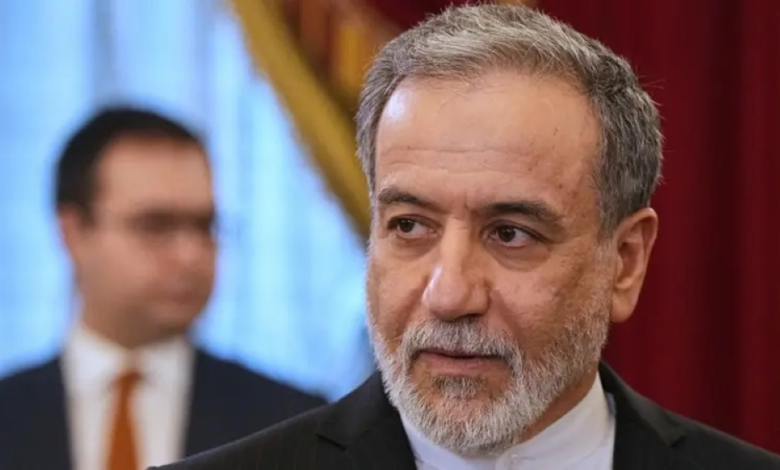
أكد وزير الخارجية الإيراني بالوكالة، عباس عراقجي، أن قنوات التواصل مع الولايات المتحدة لا تزال قائمة ومفتوحة، على الرغم من عدم تحقيق أي تقدم ملموس في المفاوضات الرامية إلى إنهاء الصراع في الشرق الأوسط. تأتي هذه التصريحات في ظل تصاعد التوترات الإقليمية، مما يلقي بظلال من الشك حول إمكانية التوصل إلى حل دبلوماسي قريب للأزمة التي تهدد بتوسيع رقعة الحرب.
خلفية من التوتر: مسار طويل من العلاقات المعقدة
تعود جذور التوتر بين طهران وواشنطن إلى عقود مضت، وتحديداً منذ الثورة الإسلامية في إيران عام 1979. وشهدت هذه العلاقة محطات من الصدام والتقارب الحذر، كان أبرزها التوصل إلى الاتفاق النووي (خطة العمل الشاملة المشتركة) في عام 2015، الذي هدف إلى تقييد برنامج إيران النووي مقابل رفع العقوبات الدولية. إلا أن انسحاب الولايات المتحدة من الاتفاق في عام 2018 في عهد الرئيس دونالد ترامب، وإعادة فرض عقوبات اقتصادية قاسية ضمن حملة “الضغط الأقصى”، أعاد العلاقات إلى نقطة التجمد وزاد من حدة التوترات في المنطقة، وهو السياق الذي تجري فيه المحادثات الحالية.
أبعاد التواصل مع الولايات المتحدة في ظل الأزمة الحالية
أوضح عراقجي، بحسب ما نقلت وكالة “تسنيم” الإيرانية، أنه تم تبادل رسائل مع الجانب الأمريكي بشأن ضرورة وقف “العدوان” على لبنان، لكنه شدد على أن هذه الاتصالات لم تسفر عن نتائج عملية. وأضاف أن أي عودة إلى طاولة المفاوضات الرسمية مرهونة بشروط واضحة، أهمها ضمان حقوق الشعب الإيراني، وإنهاء الحرب في لبنان، ووقف شامل للتصعيد في المنطقة. وحذر وزير الخارجية الإيراني من أن أي هجوم واسع النطاق على بيروت ستكون له تداعيات خطيرة، وقد يؤدي إلى “استئناف الحرب على نطاق واسع”، مؤكداً جهوزية القوات المسلحة الإيرانية للرد بحزم.
موقف واشنطن: بين التفاوض والتحذير
في المقابل، صرح الرئيس الأمريكي دونالد ترامب بأن المفاوضات مع إيران تسير بشكل جيد، معرباً عن أمله في التوصل إلى اتفاق بحلول نهاية الأسبوع. وأكد ترامب أنه لن يسمح لإيران بامتلاك سلاح نووي، مشيراً إلى أن بلاده ستحصل على اليورانيوم الإيراني المخصب في المستقبل. ونقلت قناة “العربية” عن ترامب قوله: “نفضل الحصول على اتفاق مكتوب مع إيران إذا كان ذلك ممكناً”، واصفاً الوضع المتعلق بإيران بأنه “مشكلة حقيقية للعالم” وأن الأمور متقلبة. كما أشار الرئيس الأمريكي إلى أنه يسعى للفصل بين مسألة تأمين الملاحة في مضيق هرمز والقتال الدائر في لبنان، معتبراً أن وقف إطلاق النار في لبنان يختلف عن أي مكان آخر في العالم.
تداعيات إقليمية ودولية
إن غياب التقدم في المحادثات بين طهران وواشنطن لا يؤثر فقط على البلدين، بل يمتد تأثيره ليشمل استقرار منطقة الشرق الأوسط بأكملها. أي تصعيد عسكري قد يهدد الممرات المائية الحيوية مثل مضيق هرمز، مما يؤثر سلباً على إمدادات الطاقة العالمية وأسعار النفط. كما أن استمرار حالة عدم اليقين يزيد من معاناة الشعوب في مناطق النزاع، ويجعل من الصعب بدء أي عملية إعادة إعمار أو تحقيق استقرار دائم، مما يبقي المنطقة على حافة صراع أوسع نطاقاً قد تنجر إليه قوى إقليمية ودولية أخرى.