Araghchi confirms Saudi Arabia's refusal to allow its airspace to be used to strike Iran

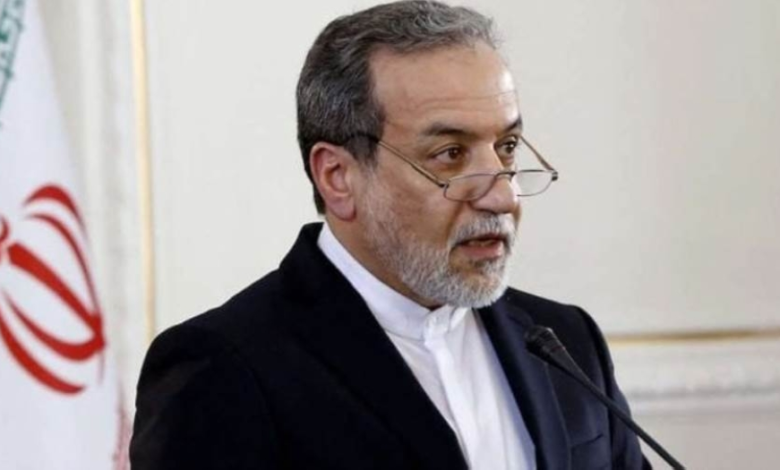
Iranian Foreign Minister Abbas Araqchi confirmed that Saudi officials have given clear and direct assurances to Iran that they will not allow Saudi territory or airspace to be used for any hostile military operations targeting Iran. These statements come at a time of intense diplomatic activity in the region aimed at de-escalating tensions and preventing the conflict in the Middle East from spreading.
Mutual guarantees to enhance trust
According to media reports, Araqchi explained that he is in constant contact with his counterparts in the Kingdom, noting that these assurances reflect the growing level of understanding between the two countries. This step reinforces the confidence-building process that effectively began following the historic agreement brokered by China in March 2013, which ended years of diplomatic estrangement between Tehran and Riyadh and established a new phase of regional cooperation based on respect for sovereignty and good neighborliness.
A tense regional context and efforts to de-escalate tensions
These statements acquire significant strategic importance given the current circumstances in the Middle East, where fears are growing of a large-scale military confrontation that could involve multiple international and regional actors. The Gulf states, particularly Saudi Arabia, are seeking to distance themselves from any potential military conflicts between Iran and Israel or the United States, emphasizing their priority of maintaining regional security and stability to ensure the continuation of their economic development.
The importance and impact of the Saudi position
The Saudi position, as conveyed by the Iranian minister, is interpreted as a strong message affirming the Kingdom's commitment to a policy of non-intervention in offensive military conflicts, focusing instead on diplomatic solutions. Analysts consider Saudi Arabia's refusal to allow its airspace to be used for military purposes against its neighbors a crucial element in preventing the region from sliding into a full-blown war that could threaten global energy supplies and international shipping lanes.
It is worth noting that Saudi-Iranian relations witnessed a remarkable improvement during the past year, with the exchange of ambassadors and the resumption of high-level official visits, reflecting a shared desire on the part of the two leaderships to turn the page on differences and focus on common interests that serve the peoples of the region.