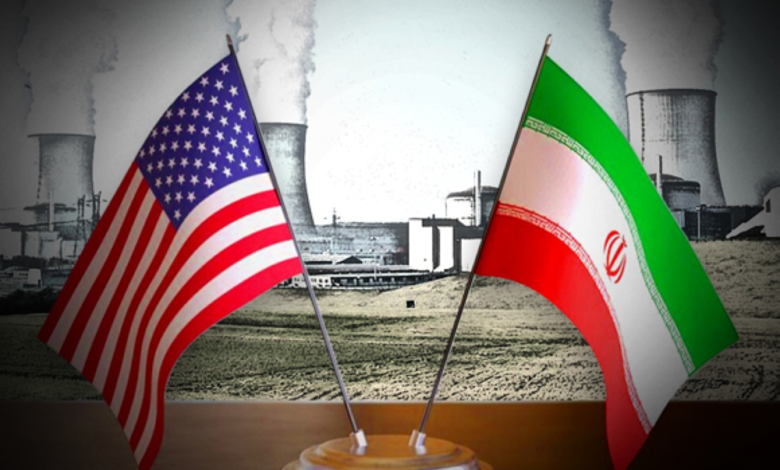
Araghchi: Nuclear talks with Washington in Muscat on Friday despite tensions

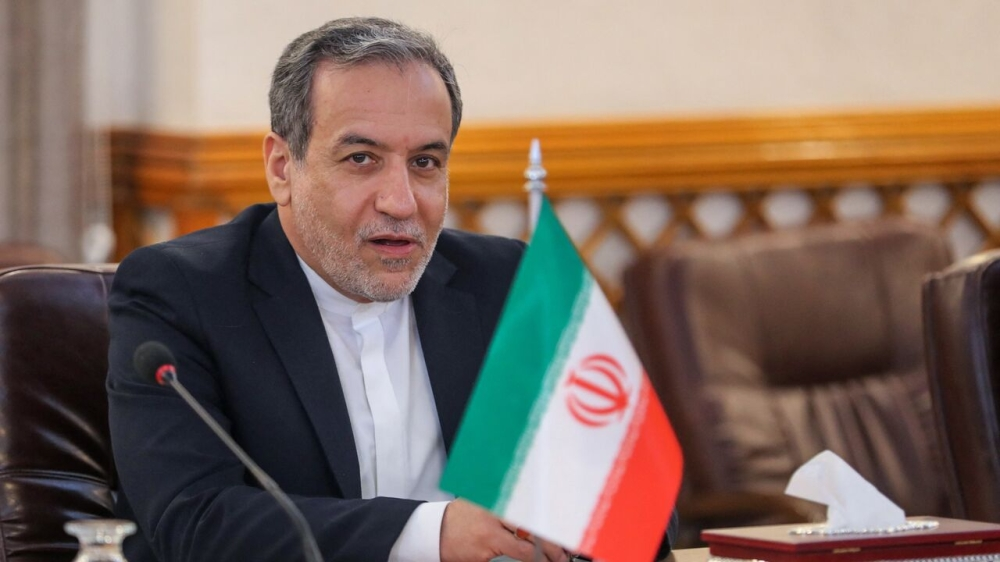
Iranian Foreign Minister Abbas Araqchi officially announced that a new round of talks with the United States regarding the Iranian nuclear program will be held on Friday in Muscat, the capital of Oman, at 10:00 AM. This announcement puts an end to the speculation raised by Western media reports, particularly those published by Axios, about the possibility of the negotiations collapsing before they even begin.
In a tweet on Wednesday, Iraqi Deputy Foreign Minister Abbas Araqchi reaffirmed Tehran's commitment to the diplomatic track, expressing his gratitude to Oman for "making all the necessary arrangements" to host the event. Tehran has repeatedly stressed that these talks must be strictly limited to the nuclear issue and the lifting of sanctions, categorically rejecting the inclusion of its ballistic missile program or regional defense capabilities on the negotiating agenda—a consistent position in Iranian foreign policy.
Oman's role and historical context
The Sultanate of Oman has a long and trusted history as an impartial mediator in the Middle East, having played a pivotal role in bridging the gap between Tehran and Washington over the past decades. Muscat was the starting point for the secret talks that paved the way for the landmark 2015 nuclear agreement (the Joint Comprehensive Plan of Action). Its hosting of this new round of talks underscores its strategic role in de-escalating regional tensions and preventing a slide into open military confrontation.
Regional leaders intervened to salvage the situation
Despite the tensions, Axios later reported that negotiations were back on track thanks to intensive diplomatic efforts by several Middle Eastern leaders, who feared the repercussions of a failed diplomatic process on regional stability and global energy markets. Abbas Araqchi is set to head the Iranian delegation, which includes veteran diplomats such as Majid Takht-Ravanchi and Kazem Gharibabadi, while the US side will be represented by envoy Steve Witkopf.
Field tensions and shocking figures
These talks are taking place at a highly sensitive time, as relations between the two countries have witnessed a marked escalation, exemplified by the United States' deployment of an aircraft carrier and its strike group to the Middle East. This coincides with internal unrest in Iran, where Iranian authorities have acknowledged the deaths of over 3,000 people, describing the events as having transformed from peaceful protests into "riots" instigated from abroad. In contrast, the Human Rights Activists News Agency (HRANA) has presented higher figures, asserting that 6,872 people have been killed, further complicating the political landscape surrounding the negotiating table.
The strategic importance of the talks
This meeting is of paramount importance, extending beyond bilateral relations, as the international community cautiously awaits its outcome. The success of these talks could de-escalate tensions in the region and avert scenarios of direct military confrontation, in addition to its potential impact on the stability of global oil prices. Conversely, failure could pave the way for further economic sanctions and "maximum pressure" policies, posing unprecedented security challenges to the entire region.