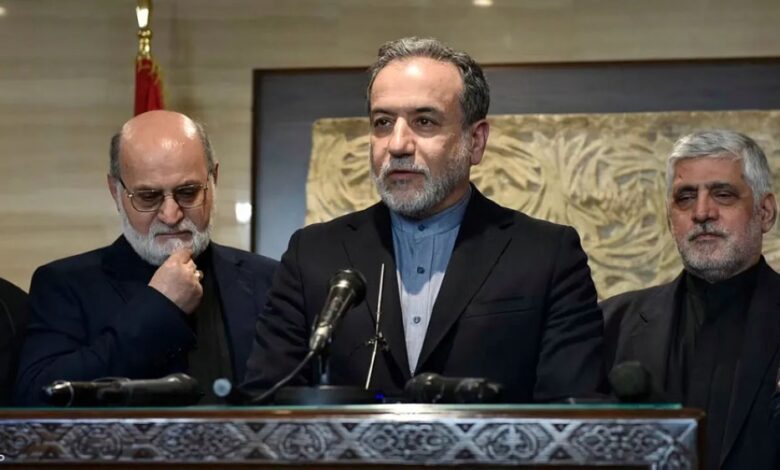

أعرب وزير الخارجية الإيراني، عباس عراقجي، عن شكوكه العميقة في جدية الولايات المتحدة الأمريكية بشأن الدخول في "مفاوضات حقيقية" تهدف إلى حل الملفات العالقة بين البلدين، وذلك رغم الإعلان عن جولة محادثات مرتقبة. وأكد عراقجي أن طهران ستقيم كافة الإشارات الواردة من واشنطن قبل اتخاذ قرار نهائي بشأن استمرار المسار التفاوضي، مشيراً إلى استمرار المشاورات الاستراتيجية مع الحلفاء الدوليين، وتحديداً الصين وروسيا.
موقف حازم تجاه البرنامج النووي
وفي مؤتمر صحفي عقده في طهران، وجه عراقجي رسالة شديدة اللهجة، مؤكداً أن الجمهورية الإسلامية لن تتخلى عن حقها في تخصيب اليورانيوم تحت أي ظرف، قائلاً: "حتى لو فُرضت علينا الحرب". يأتي هذا التصريح في وقت تعزز فيه الولايات المتحدة حشودها العسكرية في المنطقة، مما يزيد من تعقيد المشهد السياسي والأمني.
وتتمسك طهران بما تصفه بـ"الخطوط الحمراء"، حيث ترفض بشكل قاطع توسيع دائرة المفاوضات لتشمل منظومتها الصاروخية أو نفوذها الإقليمي، مصرة على حصر المحادثات في الملف النووي السلمي ورفع العقوبات الاقتصادية التي تخنق الاقتصاد الإيراني.
سياق تاريخي وأزمة الثقة
تأتي هذه التطورات في سياق تاريخي معقد من انعدام الثقة بين الجانبين، لا سيما بعد انسحاب واشنطن الأحادي من الاتفاق النووي (JCPOA) في عام 2018، وما تلاه من سياسة "الضغوط القصوى". ويرى مراقبون أن تصريحات عراقجي تعكس رغبة إيرانية في الحصول على ضمانات ملموسة بعدم تكرار سيناريوهات الماضي، خاصة مع مطالبة واشنطن باتفاق أوسع وشامل يتضمن قيوداً على القدرات الصاروخية ووقف الدعم للفصائل المسلحة في المنطقة.
محادثات مسقط: بين التفاؤل والحذر
على الرغم من النبرة المتشددة، أقر عراقجي بأن الجولة الأولى من المحادثات التي عقدت يوم الجمعة في سلطنة عمان اتسمت بـ"الإيجابية"، حيث اتفق الطرفان على استئناف اللقاءات قريباً. وتلعب مسقط دوراً محورياً وتاريخياً كوسيط موثوق لخفض التصعيد في المنطقة، وهو ما أكده الرئيس الإيراني مسعود بزشكيان الذي وصف المحادثات بأنها "خطوة إلى الأمام" بدعم من حكومات صديقة.
التلويح بالقوة والدبلوماسية
وفي رد على التحركات العسكرية الأمريكية، بما في ذلك زيارة المبعوث الأمريكي ستيف ويتكوف إلى حاملة الطائرات "أبراهام لينكولن"، قال عراقجي: "حشدهم العسكري لا يخيفنا". وأضاف في عبارة تلخص الاستراتيجية الإيرانية الحالية: "نحن أمة دبلوماسية، ونحن أيضاً أمة حرب، لكننا لا نسعى إليها".
وأشار الوزير الإيراني إلى إمكانية بحث "سلسلة إجراءات لبناء الثقة" تتعلق بالبرنامج النووي مقابل رفع العقوبات، لكنه شدد على رفض الرضوخ لأي مطالب بوقف التخصيب، سواء جاءت من إدارة الرئيس دونالد ترامب أو غيرها، معتبراً أن القدرات الدفاعية الإيرانية مسألة سيادية غير قابلة للتفاوض.
تداعيات إقليمية ودولية
يحمل هذا السجال الدبلوماسي أبعاداً تتجاوز العلاقات الثنائية، حيث يؤثر بشكل مباشر على استقرار منطقة الشرق الأوسط وأسواق الطاقة العالمية. وتترقب الأوساط الدولية ما ستسفر عنه الجولات القادمة، حيث أن فشل المسار الدبلوماسي قد يفتح الباب أمام سيناريوهات تصعيد غير محسوبة، بينما قد يؤدي نجاحه إلى تهدئة التوترات الإقليمية المتصاعدة.