Araghchi: Iran will respond by striking US bases, and the opportunity for a nuclear agreement still exists

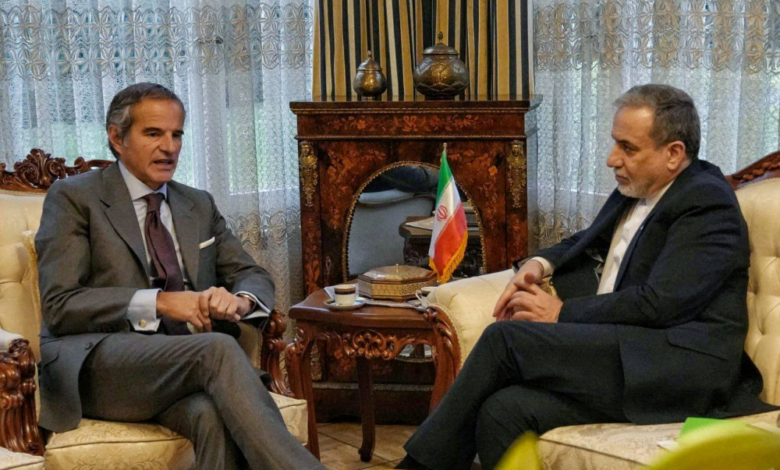
In remarks reflecting the delicate stage in relations between Tehran and Washington, Iranian Foreign Minister Abbas Araqchi clear red lines concerning his country's national security, while simultaneously emphasizing that the door to diplomatic solutions remains open. This came during an interview with the American network CBS, where he stressed Iran's legitimate right to defend itself by all available means in the event of any external aggression.
The equation of deterrence and targeting American interests
Araghchi made it clear in a firm tone that any attack launched by the United States would be met with an immediate and decisive response, describing it as an "act of aggression" that necessitates self-defense. In a striking strategic detail, the Iranian minister indicated that the Iranian response would not be indiscriminate, but would target American vulnerabilities in the region. He stated, "Since our missiles may not reach American territory directly, we will resort to the natural and logical option, which is targeting American bases and interests scattered throughout the region," in a clear reference to the military bases located in the Gulf states and neighboring countries.
Historical context and nuclear agreement
These statements come at a time when the region is witnessing unprecedented tensions, and bring to mind the complexities of the Iranian nuclear file, which has gone through sharp turns since the United States unilaterally withdrew from the Joint Comprehensive Plan of Action (JCPOA) in 2018. Since then, the pace of US sanctions has escalated, and Tehran has responded by reducing its nuclear commitments and increasing uranium enrichment levels, making a return to the negotiating table a challenging but necessary matter to avoid sliding into a full-scale military confrontation.
Geneva opportunity: Will diplomacy succeed?
Despite the threatening rhetoric, Araqchi was careful to leave the door slightly ajar for diplomacy, suggesting that a new round of talks would be held in Geneva next Thursday. He affirmed that there was a "good chance" of reaching a diplomatic settlement that would benefit all parties, noting that negotiators were currently working on drafting the elements of a potential agreement and a draft text that could serve as a basis for further discussions. This anticipated round follows previous talks held in Muscat, where the Sultanate of Oman played its traditional role as mediator to bridge the gaps between the parties.
National sovereignty and the right to enrichment
In closing, the Iranian Foreign Minister reiterated his country's commitment to what he termed its "sovereign right" to possess peaceful nuclear technology, including uranium enrichment. This point is considered one of the most significant obstacles in the negotiations, as Washington and Western powers insist on guarantees that would prevent Tehran from developing a nuclear weapon, while Iran maintains that its program is for peaceful, medical, and energy purposes. The international community is watching the upcoming Geneva talks with anticipation, as they may represent the last opportunity to break the deadlock before the region descends into even more complex scenarios.