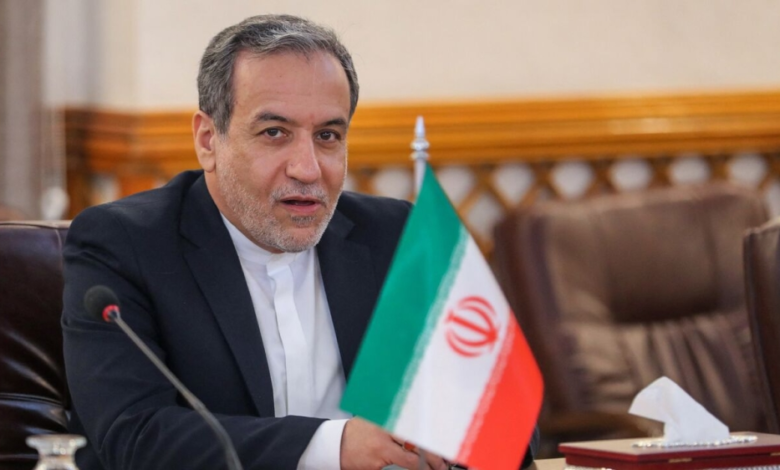

In a dangerous escalation of rhetoric between Tehran and Washington, Iranian Foreign Minister Abbas Araqchi issued strong warnings regarding the possibility of a direct military confrontation or a ground invasion of Iranian territory. In a press statement, Araqchi emphasized that the Islamic Republic does not intend to close the strategic Strait of Hormuz at this stage, but remains fully prepared to deal with any potential military scenarios, including a ground invasion.
Araghchi: We are prepared for any eventuality
Speaking to NBC News, Araqchi clarified that his country would not stand idly by in the face of any existential threat, indicating that Iranian forces were prepared to respond forcefully to any hostile action. He stated, "We are ready for any eventuality, even a ground invasion," warning that the consequences of such a move would be "catastrophic" for Iran's enemies, a clear reference to the United States and its allies in the region. These remarks came in response to reports—later denied by the White House—about potential US military support for opposition forces or Kurdish militias with the aim of regime change in Tehran.
Trump escalates: Call for surrender and threat of excessive force
On the other hand, media reports carried fiery statements by US President Donald Trump, in which he called on members of the Iranian Revolutionary Guard, army, and police to lay down their arms and surrender. In remarks to ABC News, Trump hinted at granting immunity to those who heeded this call, while urging Iranian diplomats around the world to seek asylum.
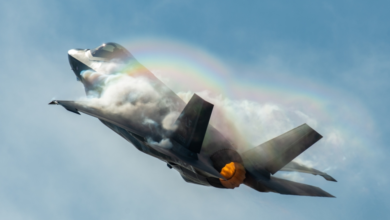
In his speech, Trump showcased American military power, stating that the United States possesses "the greatest military force in the world" and that the military option is now firmly on the table to end Iranian threats. He cited figures regarding alleged Iranian losses, mentioning the destruction of naval vessels and missile launchers, and asserting that the American strikes have set Iran back "10 years," while affirming his determination to "destroy Iran faster than the set timeline.".
Strategic context and importance of the Strait of Hormuz
These statements are of paramount strategic importance given Iran's geopolitical location and its control of the northern shore of the Strait of Hormuz. This strait is a vital artery for global energy supplies, through which nearly a fifth of the world's oil consumption passes. Historically, Iran has brandished the threat of closing the strait as a "Samson Option" in the event of an existential threat preventing it from exporting its oil, making any threat of a ground invasion or all-out war a direct threat to the global economy and energy prices.
Potential regional and international repercussions
Talk of a "ground invasion" and "total destruction" escalates tensions from the level of proxy wars and naval skirmishes to direct conflict that could engulf the entire region. Observers believe that any ground confrontation would be anything but easy, given Iran's rugged terrain and its missile capabilities, developed over decades. Moreover, the repercussions of such a conflict would extend to neighboring Gulf states, leading to waves of displacement and refugees, as well as directly impacting international maritime security. This places a responsibility on the international community to contain the escalation before it is too late.