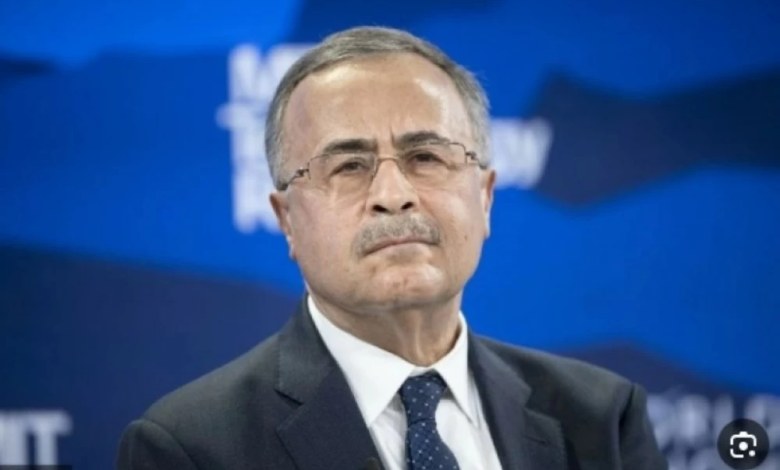

Aramco President and CEO Amin Nasser affirmed that current readings of global energy markets indicate continued growth in oil demand, refuting predictions of an imminent global supply glut. These remarks were made on the sidelines of his participation in the World Economic Forum in Davos, where he highlighted the actual market situation compared to theoretical forecasts.
Indicators of global demand growth
Al-Nasser explained to reporters that the engines of the global economy remain heavily reliant on traditional energy sources, noting that demand growth remains remarkably strong in emerging economies, which are currently driving global consumption, followed by China and the United States. He added that overall demand had already reached unprecedented record levels last year, with strong indications that this upward trend will continue this year, thus refuting theories suggesting a decline in the need for oil in the near term.
The reality of inventories and supply challenges
In refuting claims of a "supply glut," Al-Nasser described these expectations as "grossly exaggerated." He based his remarks on global inventory data, explaining that current crude oil stocks are low compared to the five-year average. He also highlighted a crucial point regarding barrels at sea, noting that the majority are subject to international sanctions, thus excluding them from calculations of actual supply available on the free market.
The crisis of spare production capacity
The Aramco CEO addressed a strategic issue affecting global energy security: "spare production capacity," warning of a global shortage in this vital resource. Spare production capacity is defined as the amount of oil that can be quickly produced in emergencies to compensate for any sudden shortages and prevent sharp price spikes.
Al-Nasser revealed, using figures, that current spare production capacity stands at only 2.5%, while the safe and necessary level to ensure market stability should not be less than 3%. He linked this situation to the policies of the OPEC+ alliance, explaining that if the alliance decides to reduce production cuts and pump more oil, this will consequently lead to the depletion of the remaining spare capacity. This situation requires extremely careful and precise monitoring to ensure that the market is not exposed to any sudden geopolitical or technical shocks.
The economic context and the importance of the statements
These statements are particularly significant given Aramco's position as the world's largest oil exporter and the World Economic Forum's role as a platform for shaping international economic policy. These assurances come at a time when the global economy is facing the challenges of inflation and ongoing recovery efforts, where stable energy prices and a reliable supply play a crucial role in supporting economic growth and preventing recession, especially in major industrialized nations and emerging markets alike.