Argentina wildfires: 15,000 hectares destroyed in Patagonia, tourists evacuated

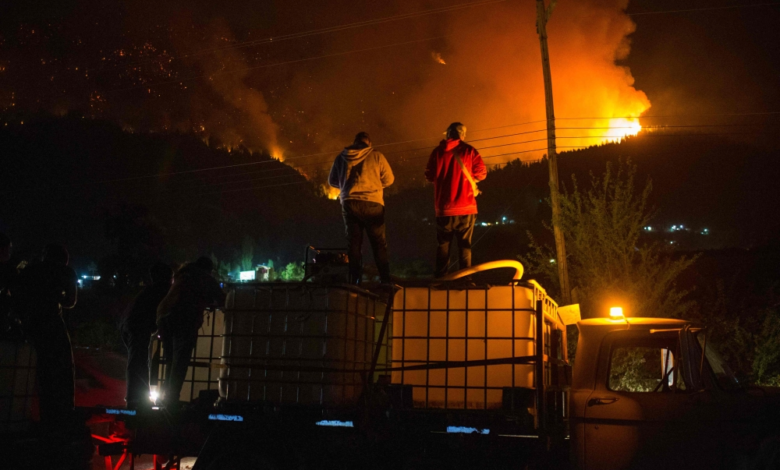
Firefighters in Argentina are continuing their fierce battle against raging wildfires in the southern Patagonia region, which have already destroyed more than 15,000 hectares of scenic natural land since they began last Monday. Authorities are facing significant environmental and logistical challenges in containing the blazes, which have threatened residential areas and nature reserves.
Crisis developments and evacuation of residents
The Chubut County Fire Department reported that the fires were concentrated mainly near the town of Ipuwen, strategically located between a glacial lake and forested hills, where the flames alone consumed approximately 12,000 hectares. This escalating situation prompted the county governor, Ignacio Torres, to take urgent measures, including the evacuation of some 3,000 tourists and 15 families to ensure their safety, especially after the fires damaged more than ten homes in the area.
Despite the governor's statements that the situation has become relatively "calmer" compared to the beginning of the crisis, he stressed that the situation is still "very critical," especially with the intensification of winds that have reignited the fires and threaten a power generation station near Lake Eboin, putting the region's infrastructure at risk.
Threat to World Heritage in Los Alerces
The disaster is not limited to material and residential losses; it also threatens global environmental treasures. Another large fire is raging within Los Alerces National Park, a UNESCO World Heritage Site. This 200,000-hectare park is home to ancient alder trees, among the oldest living organisms on Earth, and boasts unique landscapes including glacial pools and pristine lakes.
The burning of parts of this park represents a significant loss to biodiversity, as these forests are considered a natural lung for the region and an important ecotourism destination that supports the local and regional economy.
climatic and geographical context
These fires occur at the height of the Southern Hemisphere summer, a time when Patagonia typically experiences high temperatures and relatively dry conditions, making its forests highly flammable. The strong winds for which Patagonia is known also play a role, accelerating the spread of the fires and causing sudden changes in their course, further complicating the efforts of the hundreds of firefighters and volunteers working around the clock.
This incident once again highlights the growing challenges posed by global climate change, as the fire season has become longer and more intense in many parts of the world, including South America, calling for concerted local and international efforts to protect forests and nature reserves from the risk of extinction.