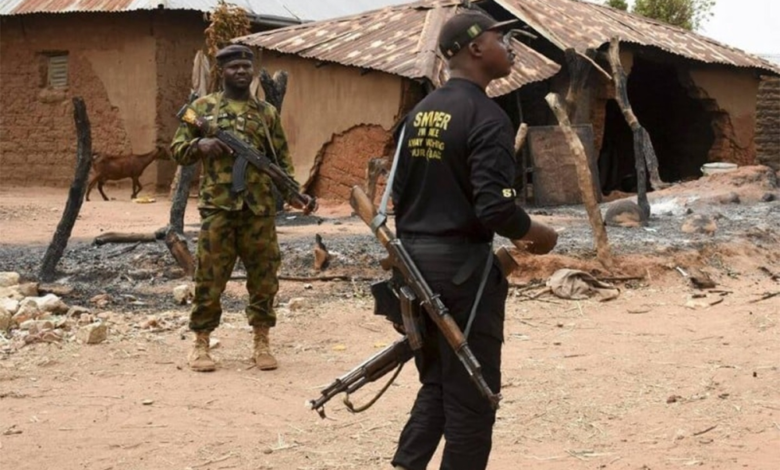

في تصعيد جديد للعنف، قُتل ما لا يقل عن 37 شخصاً في سلسلة هجمات مسلحة شمال غرب نيجيريا، استهدفت قرية ريفية في ولاية سوكوتو. وأفادت السلطات المحلية أن مسلحين يستقلون دراجات نارية شنوا هجمات متتالية على مدى يومين على قرية دانغولبي في مقاطعة توريت، مما أدى إلى هذه الحصيلة المروعة من الضحايا، بالإضافة إلى نهب عدد من المتاجر والممتلكات، في حادث يجدد المخاوف من الانفلات الأمني الذي تعاني منه المنطقة منذ سنوات.
جذور الأزمة الأمنية في المنطقة
لا تعتبر هذه الهجمات حادثاً معزولاً، بل هي جزء من نمط عنف متصاعد يعصف بمناطق واسعة في شمال ووسط نيجيريا. تعود جذور الأزمة إلى عقود من التوترات بين المجتمعات الزراعية المستقرة والرعاة الرحل، والتي تفاقمت بسبب التغيرات المناخية، التصحر، والتنافس على الموارد الشحيحة كالأراضي والمياه. مع مرور الوقت، تحولت هذه النزاعات من اشتباكات محلية إلى عمليات إجرامية منظمة تقودها عصابات مسلحة تُعرف محلياً باسم “قطاع الطرق” (Bandits). تستغل هذه العصابات الفراغ الأمني والمناطق الريفية الشاسعة التي يصعب السيطرة عليها لشن عمليات خطف جماعي للحصول على فدية، وسرقة الماشية، وفرض ضرائب غير قانونية على السكان المحليين.
تداعيات مدمرة وتحديات متزايدة
إن التأثير الإنساني والاقتصادي لهذه الهجمات كارثي. فعلى الصعيد المحلي، يعيش السكان في حالة من الخوف الدائم، مما أدى إلى نزوح الآلاف من قراهم، وترك حقولهم ومصادر رزقهم. وقد تسبب هذا العنف في انهيار الاقتصادات المحلية وتعطيل الزراعة، مما يهدد الأمن الغذائي في بلد يعتمد بشكل كبير على الإنتاج الزراعي في هذه المناطق. وعلى المستوى الوطني، تشكل هذه العصابات تحدياً أمنياً هائلاً للحكومة النيجيرية، التي تجد قواتها الأمنية والعسكرية منهكة في مواجهة تهديدات متعددة، بما في ذلك التمرد الجهادي في الشمال الشرقي. كما تثير هذه الأزمة قلقاً إقليمياً ودولياً، خشية من تمدد نفوذ هذه الجماعات عبر الحدود وإمكانية تحالفها مع منظمات إرهابية دولية، مما قد يزعزع استقرار منطقة الساحل الأفريقي بأكملها. في الختام، يؤكد الهجوم الأخير في ولاية سوكوتو على الحاجة الملحة لاستجابة أمنية شاملة ومستدامة لا تقتصر على العمليات العسكرية فحسب، بل تشمل أيضاً معالجة الأسباب الجذرية للنزاع، مثل الفقر، والبطالة، والنزاعات على الموارد، لإنهاء دوامة العنف التي تحصد أرواح الأبرياء وتعيق التنمية في شمال غرب نيجيريا.