Aromatic herbs in Jazan: A heritage imbued with the scent of history and beauty

The Jazan region in southern Saudi Arabia is a verdant oasis, blending natural beauty with a rich history. One of the most prominent traditional customs aromatic herbs . This practice is not merely a fleeting adornment, but a visual and aromatic language that reflects the deep connection between people and their fertile environment, embodying an authentic aesthetic taste passed down through generations for centuries.
Unique plant diversity and nurturing environment
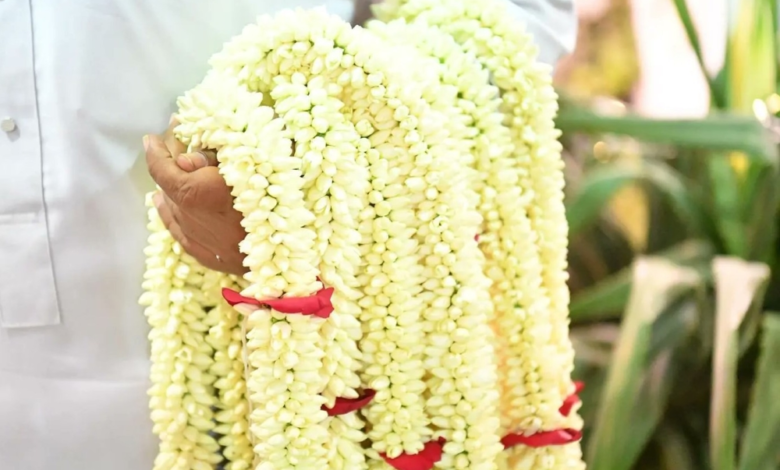
Since ancient times, the people of Jazan have benefited from its diverse geography and climate, which has fostered the growth of hundreds of aromatic plant species. Men and women alike have traditionally adorned their heads with fragrant plants such as the renowned Jazan jasmine, pandanus, basil, wormwood, and sage. These plants are carefully harvested from local farms and mountain slopes, becoming symbols of beauty and purity. Jazan is known as the "breadbasket of the Kingdom" and the "kingdom of natural perfumes" due to its fertile land and abundant agricultural production.
Headbands... the adornment of men at the summits
This custom is not limited to women; it is an integral part of men's attire in the mountainous region of Jazan, particularly in governorates such as Fifa, Bani Malik, and Al-Raith. Men wear what are known as "al-asa'ib," which are headbands made from aromatic plants like wormwood and artemisia, placed in an elaborate circular fashion. These headbands symbolize pride and a connection to the land, and were traditionally men's companions on their travels and sojourns. Today, they are a prominent feature of festive celebrations and national events.
Jazan's rituals of joy and identity
Herbs are considered an aesthetic adornment that expresses the spirit of a place. In Jazan, women skillfully arrange jasmine garlands in exquisite geometric patterns such as "Al-Kabsh" and "Al-Muqanna." These decorations are prominently featured at social events and celebrations, and their fragrance has become a hallmark of these festive rituals. The use of aromatic herbs is seen as a symbol of joy and a way to welcome guests, in addition to their psychological benefits; their pleasant scents help to calm the nerves and invigorate the senses, making them an integral part of daily life.
A tourist and economic resource
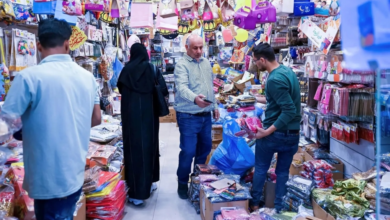
Despite urban development and social changes, this tradition retains its appeal in the hearts of the locals and has even become a significant economic and touristic asset. Shops selling aromatic plants are widespread in Jazan's traditional markets, attracting a large number of visitors and tourists. Specialized festivals, such as the "Jasmine and Aromatic Plants Festival," have played a role in highlighting this heritage and introducing it to the world, making it a prominent element in the region's tourist attractions.
When the scent of jasmine and basil wafts through the villages and cities of Jazan, the visitor senses the fragrance of history and the warmth of the land, in a scene that tells the story of the sustainability of Jazan heritage and is a living witness to the beauty of the past and the splendor of the present within the mosaic Saudi identity .