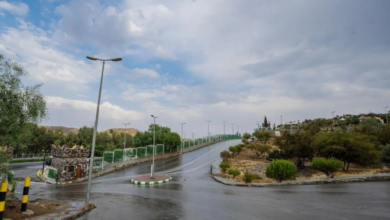

في إطار الجهود المستمرة لحماية البيئة الطبيعية والحفاظ على الغطاء النباتي في المملكة العربية السعودية، أعلنت القوات الخاصة للأمن البيئي عن ضبط مواطن خالف نظام البيئة إثر قيامه بالرعي الجائر في مناطق يمنع فيها الرعي. وتأتي هذه الخطوة ضمن سلسلة من الإجراءات الحازمة لضمان استدامة الموارد الطبيعية.
تفاصيل ضبط مخالفة الرعي في محمية الإمام عبدالعزيز بن محمد الملكية
أوضحت القوات الخاصة للأمن البيئي أنها تمكنت من ضبط المواطن المخالف بعد رصده وهو يقوم برعي (17) متناً من الإبل في مواقع محظورة داخل نطاق محمية الإمام عبدالعزيز بن محمد الملكية. وعلى الفور، تم تطبيق الإجراءات النظامية بحقه، حيث أكدت الجهات المعنية أن عقوبة رعي الإبل في الأماكن الممنوعة تبلغ غرامتها (500) ريال سعودي لكل متن، مما يعكس جدية السلطات في ردع مثل هذه التجاوزات.
مخالفات دخول المركبات للروضات البرية
وفي سياق متصل، لم تقتصر جهود الأمن البيئي على منع الرعي الجائر فحسب، بل شملت أيضاً ضبط مخالفات أخرى تتعلق بالتعدي على الأراضي الطبيعية. فقد تم ضبط مواطن آخر لمخالفته نظام البيئة إثر دخوله بمركبته في الفياض والروضات البرية المحمية داخل محمية الملك عبدالعزيز الملكية. وقد تم اتخاذ الإجراءات النظامية اللازمة بحقه، مع التوضيح بأن عقوبة دخول المركبات والسيارات في الفياض والروضات البرية المحمية تصل إلى (2,000) ريال سعودي.
السياق التاريخي والبيئي للمحميات الملكية في السعودية
تاريخياً، عانت شبه الجزيرة العربية من تحديات بيئية قاسية أبرزها التصحر والرعي الجائر الذي أدى إلى تدهور الغطاء النباتي وانقراض بعض الأنواع الفطرية. ومن هذا المنطلق، جاءت مبادرة تأسيس المحميات الملكية، ومن ضمنها محمية الإمام عبدالعزيز بن محمد الملكية، كخطوة استراتيجية رائدة. تهدف هذه المحميات إلى إعادة توطين الحياة الفطرية، وحماية النباتات المهددة بالانقراض، وإعطاء الطبيعة فرصة للتعافي بعيداً عن التدخلات البشرية الضارة.
أهمية الحدث وتأثيره المحلي والإقليمي والدولي
يحمل تطبيق الأنظمة البيئية بصرامة أبعاداً وتأثيرات واسعة النطاق:
- على المستوى المحلي: يساهم منع الرعي الجائر في استعادة التوازن البيئي، وزيادة الرقعة الخضراء، مما يدعم مستهدفات مبادرة السعودية الخضراء ورؤية المملكة 2030 في تحسين جودة الحياة ومكافحة التصحر.
- على المستوى الإقليمي: تضع المملكة نفسها كنموذج يحتذى به في الشرق الأوسط في مجال الحفاظ على البيئة، مما يعزز من أهداف مبادرة الشرق الأوسط الأخضر التي تسعى لتوحيد الجهود الإقليمية لمواجهة التغير المناخي.
- على المستوى الدولي: تتوافق هذه الإجراءات مع المعاهدات الدولية وأهداف التنمية المستدامة للأمم المتحدة، خاصة فيما يتعلق بحماية الحياة في البر ومكافحة التدهور البيئي، مما يبرز دور السعودية كفاعل رئيسي في حماية كوكب الأرض.
دعوة للإبلاغ عن المخالفات البيئية
وفي ختام بيانها، حثت القوات الخاصة للأمن البيئي جميع المواطنين والمقيمين على التعاون الفعال والإبلاغ عن أي حالات تمثل اعتداءً على البيئة أو الحياة الفطرية. ويمكن تقديم البلاغات عبر الاتصال على الرقم (911) في مناطق مكة المكرمة، والمدينة المنورة، والرياض، والشرقية، وعلى الرقمين (999) و(996) في بقية مناطق المملكة. وأكدت القوات أن جميع البلاغات يتم التعامل معها بسرية تامة دون تحميل المُبلّغ أي مسؤولية قانونية، مما يشجع المجتمع على أن يكون شريكاً أساسياً في حماية مقدرات الوطن البيئية.