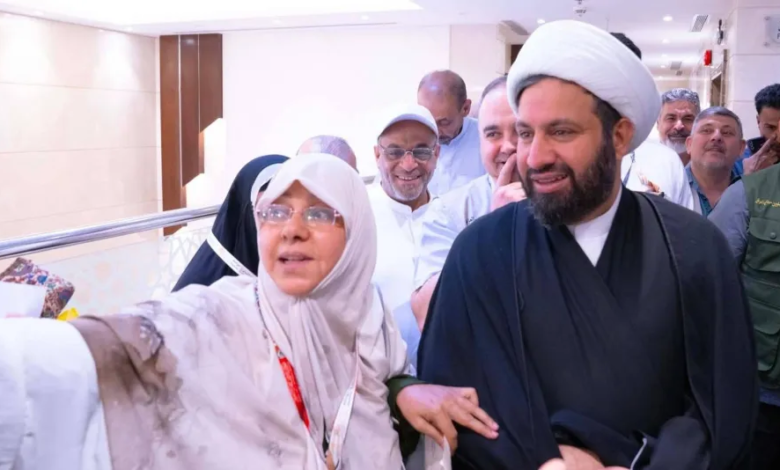

وصول 42 ألف حاج عراقي إلى مكة المكرمة
في إنجاز تنظيمي يعكس حجم التعاون المثمر، أُعلن رسمياً عن وصول 42 ألف حاج عراقي إلى مكة المكرمة لأداء مناسك الحج لهذا العام. وقد توافد ضيوف الرحمن من كافة المحافظات العراقية، مستخدمين الرحلات الجوية عبر المطارات المتعددة، بالإضافة إلى القوافل البرية. وتأتي هذه الخطوة تتويجاً لجهود مكثفة استمرت لأشهر من التخطيط لضمان راحة وسلامة الحجاج العراقيين منذ لحظة مغادرتهم وحتى وصولهم إلى الديار المقدسة.
السياق العام والتنسيق التاريخي بين العراق والسعودية
يُعد موسم الحج الركن الخامس من أركان الإسلام، وهو شعيرة دينية يترقبها المسلمون بشغف كبير. وتاريخياً، يحظى الحجاج العراقيون باهتمام بالغ، حيث يربط العراق والمملكة العربية السعودية تاريخ طويل من التعاون المستمر لتسهيل رحلة الحج. في السنوات الأخيرة، لعب منفذ عرعر الحدودي دوراً استراتيجياً بعد إعادة تأهيله، ليصبح شرياناً رئيسياً وآمناً لتفويج الحجاج براً، جنباً إلى جنب مع الجسر الجوي الممتد إلى مطاري الملك عبد العزيز في جدة والأمير محمد بن عبد العزيز في المدينة المنورة. هذا التنسيق العالي المستوى بين الهيئة العليا للحج والعمرة في العراق ووزارة الحج والعمرة في المملكة العربية السعودية يهدف بشكل أساسي إلى تذليل كافة العقبات، وتوفير سكن ملائم، وتقديم أفضل الخدمات اللوجستية، الطبية، والإرشادية للحجاج.
أهمية الحدث والتأثير المتوقع محلياً وإقليمياً
على الصعيد المحلي العراقي، يمثل نجاح تفويج 42 ألف حاج عراقي واستقرارهم في مكة المكرمة إنجازاً وطنياً مهماً. فهو يعكس كفاءة الخطط التنظيمية التي وضعتها الجهات المعنية، ويبث الفرحة والطمأنينة في نفوس عائلات الحجاج في العراق، مؤكداً التزام الدولة بتوفير الرعاية الشاملة لمواطنيها خلال أداء هذه الفريضة العظيمة.
أما على الصعيد الإقليمي، فإن الاستقبال السلس لهذا العدد الكبير يبرز القدرات الاستثنائية للمملكة العربية السعودية في إدارة الحشود المليونية. ويتماشى هذا النجاح مع الأهداف الاستراتيجية لـ “رؤية السعودية 2030″، والتي تضع خدمة ضيوف الرحمن في صدارة أولوياتها من خلال تطوير البنية التحتية والارتقاء بجودة الخدمات الرقمية والميدانية. علاوة على ذلك، يسهم هذا التعاون الناجح في تعزيز الروابط الأخوية والدبلوماسية بين بغداد والرياض، مما ينعكس إيجاباً على مناخ الاستقرار والتعاون المشترك في منطقة الشرق الأوسط.
البعد الدولي والرسالة الإنسانية للحج
من منظور دولي، يُعتبر الحج أكبر تجمع بشري سلمي وديني على مستوى العالم، حيث تذوب فيه الفوارق وتتجلى معاني الوحدة والمساواة بين ملايين المسلمين القادمين من شتى بقاع الأرض. إن التواجد المنظم للحجاج العراقيين ضمن هذا المشهد العالمي يعكس رسالة الإسلام السمحة التي تدعو إلى السلام والتآخي. وتستمر الفرق الطبية والتطوعية والأمنية في تقديم جهودها على مدار الساعة لضمان أداء الحجاج لمناسكهم بكل يسر وسهولة، بدءاً من طواف القدوم، مروراً بالوقوف في صعيد عرفات الطاهر، وحتى إتمام طواف الوداع، وسط دعوات بأن يتقبل الله من ضيوف الرحمن حجهم وأن يعودوا إلى ديارهم بأمن وسلام.