
عودة تاريخية: هبوط مركبة مهمة أرتيميس 2 بسلام
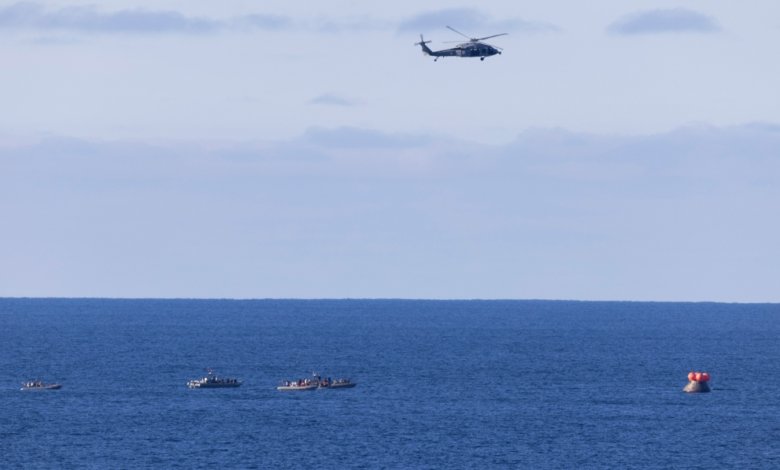
هبطت مركبة أوريون الفضائية التابعة لمهمة “أرتيميس 2” بسلام في مياه المحيط الهادئ، قبالة سواحل ولاية كاليفورنيا الأمريكية، متوجة بذلك رحلة تاريخية حملت أربعة رواد فضاء في مدار حول القمر. هذا الهبوط الناجح يمثل علامة فارقة في مساعي البشرية للعودة إلى استكشاف الفضاء العميق، ويؤكد نجاح التخطيط الدقيق لوكالة الفضاء الأمريكية (ناسا).
عمليات الإنقاذ والفحوصات الطبية للطاقم
وفور هبوط الكبسولة، باشرت فرق الإنقاذ المتخصصة عمليات الاسترداد المخطط لها مسبقاً. تم استقبال طاقم الرحلة المكون من رواد الفضاء: كريستينا كوش، وفيكتور غلوفر، وريد وايزمان من وكالة ناسا، بالإضافة إلى رائد الفضاء الكندي جيريمي هانسن. وجرى نقل الطاقم جواً عبر مروحيات مجهزة إلى سفينة عسكرية أمريكية تابعة للبحرية، حيث سيخضعون لفحوصات طبية شاملة للتأكد من سلامتهم الجسدية بعد قضاء فترة في بيئة الجاذبية الصغرى والتعرض للإشعاعات الفضائية.
السياق التاريخي لبرنامج أرتيميس
تأتي أهمية مهمة “أرتيميس 2” من كونها امتداداً لبرنامج أرتيميس الطموح، الذي يهدف إلى إعادة الوجود البشري إلى القمر بعد غياب دام أكثر من نصف قرن منذ انتهاء برنامج “أبولو” في عام 1972. بينما كانت مهمة “أرتيميس 1” غير مأهولة واختبرت أنظمة الإطلاق والمركبة، فإن “أرتيميس 2” هي أول رحلة مأهولة في هذا البرنامج، مما يجعلها الجسر الفعلي الذي سيعبر بالبشرية نحو تأسيس وجود مستدام على سطح القمر.
تنوع الطاقم وأهمية التعاون الدولي
يحمل هذا الطاقم دلالات تاريخية عميقة؛ فكريستينا كوش أصبحت أول امرأة تشارك في مهمة قمرية، بينما سجل فيكتور غلوفر اسمه كأول شخص من أصحاب البشرة السمراء يغادر المدار الأرضي المنخفض. كما أن مشاركة جيريمي هانسن تجعل كندا ثاني دولة في التاريخ يرسل أحد مواطنيها إلى الفضاء العميق، مما يبرز أهمية التعاون الدولي في استكشاف الفضاء وتأثيره الإقليمي والدولي في تعزيز الشراكات العلمية.
نجاح الدرع الحراري والتكنولوجيا المتقدمة
من الناحية التقنية، اجتازت المركبة “أوريون” العائدة إلى الغلاف الجوي للأرض اختباراً حاسماً بنجاح باهر، وهو اختبار الدرع الحراري. هذا الدرع مصمم لتحمل درجات حرارة حارقة تتجاوز 2700 درجة مئوية أثناء اختراق الغلاف الجوي بسرعات هائلة تقارب 40 ألف كيلومتر في الساعة. نجاح هذا الدرع في حماية الكبسولة والطاقم يثبت كفاءة التكنولوجيا الحديثة المستخدمة ويمهد الطريق للمهام المستقبلية بثقة أكبر.
التأثير المستقبلي: نحو القمر والمريخ
إن نجاح عودة “أرتيميس 2” لا يقتصر تأثيره على الولايات المتحدة فحسب، بل يمتد ليشمل المجتمع العلمي الدولي بأسره. هذه المهمة تضع الأساس المتين لمهمة “أرتيميس 3″، التي تهدف إلى هبوط رواد الفضاء فعلياً على القطب الجنوبي للقمر. ومن خلال هذه الخطوات المتسارعة، تقترب البشرية من تحقيق الهدف الأكبر المتمثل في استخدام القمر كمحطة انطلاق للرحلات المأهولة المستقبلية نحو كوكب المريخ، مما سيحدث ثورة في فهمنا للكون ويفتح آفاقاً اقتصادية وعلمية لا حصر لها.