
Urgent government action to address Australia's energy crisis
Australian Prime Minister Anthony Albanese announced decisive government action by calling an emergency meeting of the National Cabinet. This extraordinary move comes in response to the energy crisis in Australia and to secure fuel supplies, particularly given the severe shortages of some vital fuels, most notably diesel. The meeting aims to unify and coordinate efforts between the various states and the federal government to address these unprecedented challenges that threaten the stability of local markets and supply chains.
Impact of the global crisis on the local market
Albanese noted that the energy shortage is not merely a local problem, but a direct reflection of a growing global energy crisis. He affirmed that the Australian government is working around the clock to address the current deficit and ensure the domestic market's fuel needs are met. He also emphasized the importance of continuing strategic efforts to overcome these challenges in the coming period, with a focus on protecting consumers and vital sectors from price volatility that could harm the national economy.
The surge in demand and its impact on the transport and mining sectors
In a related development, the Australian Prime Minister announced he would convene an emergency virtual cabinet meeting to address fuel security issues facing Australia and the world. He emphasized the critical importance of close coordination among all stakeholders to ensure stable supplies. While reassuring the public that fuel supplies remained uninterrupted, with all cargo ships continuing to arrive at Australian ports, he acknowledged that a sudden surge in demand had led to noticeable shortages in some areas, particularly of diesel. Diesel is vital to the Australian economy, as key sectors such as road transport, agriculture, and mining rely heavily on it for their daily operations.
The Strait of Hormuz: The geopolitical context and its impact on oil prices
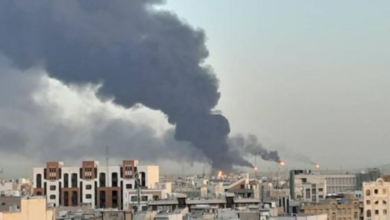
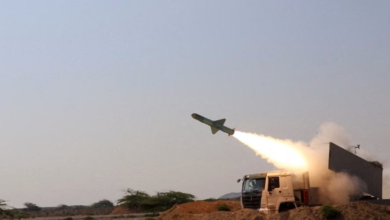
These rapid developments in Australia come amid ongoing global geopolitical tensions, most notably the threat of a major closure of the Strait of Hormuz. The Strait of Hormuz is one of the world's most strategically important waterways, through which roughly one-fifth of the world's oil supply passes daily. Historically, any disruption to this vital strait has been linked to global energy crises, given the major economies' reliance on the smooth flow of oil from the Middle East.
Economic repercussions, both locally and internationally
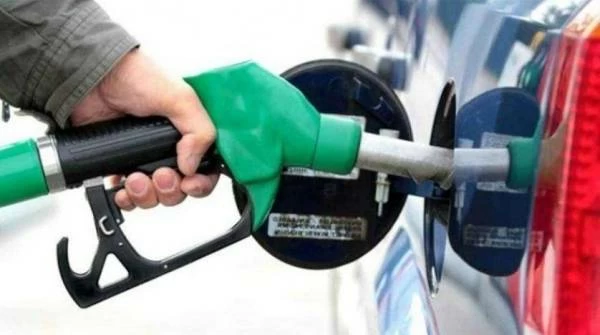
This ongoing threat to international shipping lanes has led to a sharp rise not only in crude oil prices on global markets, but also directly impacts refined petroleum products consumed daily by individuals and businesses, such as gasoline, diesel, and jet fuel. Domestically in Australia, this increase is reflected in the cost of living, food prices, and shipping costs, placing additional inflationary pressures. Regionally and internationally, this crisis underscores once again the fragility of global supply chains, prompting countries to reassess their energy security strategies and seek alternatives to reduce their reliance on imports.