
أستراليا تمدد تخفيف معايير الوقود وسط تحديات عالمية ومحلية
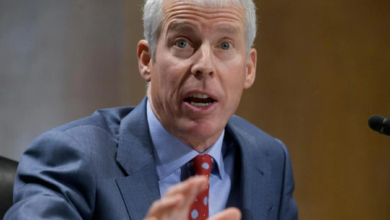
أعلنت الحكومة الأسترالية، على لسان وزير الطاقة كريس بوين، قراراً استراتيجياً بتمديد فترة تخفيف المعايير الخاصة بجودة الوقود حتى شهر سبتمبر من العام القادم. يأتي هذا القرار الحاسم في وقت حساس تواجه فيه أستراليا تحديات غير مسبوقة تتعلق بتأمين إمدادات الوقود في أستراليا، وذلك على خلفية التوترات الجيوسياسية المتصاعدة في منطقة الشرق الأوسط وتأثيرها المباشر على خطوط الملاحة وسلاسل الإمداد العالمية.
السياق العام وأزمة سلاسل الإمداد العالمية
تعتمد أستراليا بشكل كبير على استيراد الوقود المكرر لتلبية احتياجاتها المحلية، مما يجعل اقتصادها عرضة للتقلبات العالمية. وقد أدت التوترات المستمرة والنزاعات الإقليمية، التي دخلت أسبوعها الثامن، إلى تعطيل مسارات الشحن الرئيسية. هذا التعطيل أجبر ناقلات النفط والوقود على اتخاذ طرق بديلة أطول، مما تسبب في تأخير وصول الشحنات وخلق ضغطاً هائلاً على المخزون المحلي الأسترالي.
تأثير الحوادث المحلية: حريق مصفاة فيفا إنرجي
لم تقتصر الأزمة على العوامل الخارجية فحسب، بل تفاقمت بسبب حوادث محلية مؤثرة. فقد أوضح الوزير كريس بوين في تصريحات تلفزيونية أن إنتاج الديزل، ووقود الطائرات، والبنزين قد تأثر بشدة إثر حريق اندلع في مصفاة تكرير النفط التابعة لشركة “فيفا إنرجي” (Viva Energy) في ولاية فيكتوريا. وتكتسب هذه المصفاة أهمية بالغة لكونها تقع في ثاني أكبر ولاية أسترالية من حيث الكثافة السكانية.
وأشار بوين إلى أن مصفاة جيلونغ تعمل حالياً بنسبة 80% فقط من طاقتها الإنتاجية المعتادة للديزل ووقود الطائرات، بينما انخفضت قدرتها الإنتاجية للبنزين لتصل إلى 60%، مؤكداً أن الوضع لا يزال على ما هو عليه دون تغيير، مما استدعى تدخلاً حكومياً عاجلاً.
تفاصيل تخفيف معايير الوقود وأهميتها التاريخية
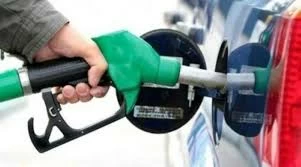
لتفادي أزمة خانقة في محطات الوقود، قررت الحكومة تمديد فترة السماح بنسبة كبريت أعلى في البنزين. هذا التخفيف، الذي تم الإعلان عنه لأول مرة في شهر مارس الماضي، يسمح بزيادة كمية الكبريت المسموح بها في الوقود لتصل إلى 50 جزءاً في المليون، بدلاً من المعيار البيئي الصارم الذي كان يحدد النسبة بـ 10 أجزاء في المليون فقط.
تاريخياً، كانت أستراليا تسعى جاهدة لتطبيق معايير جودة وقود تضاهي المعايير الأوروبية الصارمة لتقليل الانبعاثات الكربونية. ومع ذلك، فإن إغلاق العديد من المصافي المحلية خلال العقد الماضي، والإبقاء على مصفاتين فقط تعملان في البلاد، جعل أمن الطاقة أولوية قصوى تتفوق مؤقتاً على الأهداف البيئية.
التأثير المتوقع على الاقتصاد والمستهلك
على المستوى المحلي، يهدف هذا القرار إلى ضمان استقرار الأسعار وتوافر الوقود للمستهلكين والشركات، خاصة في قطاعات حيوية مثل النقل والطيران. أما دولياً، فإنه يعكس التحديات التي تواجهها الدول المستوردة للطاقة في ظل نظام عالمي مترابط. ومن المتوقع أن تستمر الحكومة الأسترالية في مراقبة الوضع عن كثب، معتمدة على هذا التخفيف المؤقت كدرع واقٍ لحماية اقتصادها من صدمات نقص الإمدادات حتى تستقر سلاسل التوريد وتستعيد المصافي كامل طاقتها.