Reasons for Australia transferring the Iranian national team players to a secret location

Introduction to the crisis of the Iranian national team players in Australia
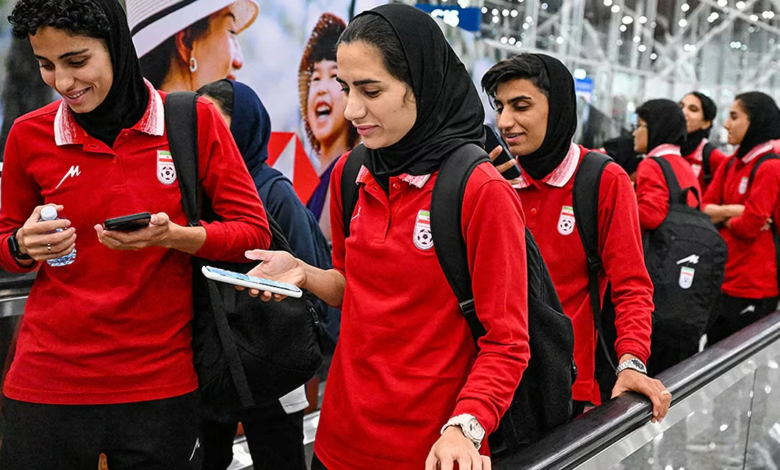
The sports and political worlds recently witnessed a significant event: the asylum crisis involving the Iranian women's national football team in Australia. According to a detailed report by CNN, Australian authorities took urgent security measures to protect a group of Iranian players. This emergency action came after one of the players withdrew her asylum application and took the surprising step of revealing her teammates' secret location to the Iranian embassy. This serious development prompted Australian authorities, led by Home Affairs Minister Tony Burke, to immediately transfer the six remaining players and a member of the coaching staff to a secure and undisclosed location.
Details of the incident and the Australian security intervention
The players were under heavy protection by the Australian Federal Police at a secret location in Brisbane. The primary purpose of this protection was to prevent any attempts at intimidation or pressure to force them to return to Iran. The crisis stemmed from accusations of "treason" leveled against the players by Iranian state media, following their courageous decision to refuse to sing the Iranian national anthem before their opening match in the Asian Cup tournament being held in Australia.
General context and historical background of the rejection of the national anthem
To understand the dimensions of this incident, it is necessary to consider the broader context and historical background of Iranian sports in recent years. Since the outbreak of popular protests in Iran, many Iranian athletes have used international sporting platforms to express their solidarity with the women's rights and human rights movements in their country. Refusing to sing the national anthem has become a symbol of peaceful protest, but it is usually met with harsh penalties and accusations of treason by the authorities in Tehran. This history of sports repression explains the deep fear that led the Iranian national team players to seek asylum and avoid returning to their homeland, where they could face serious security repercussions.
Australia's strict measures to protect asylum seekers
Australian Foreign Minister Penny Wong confirmed that the Australian government had made strenuous efforts to ensure these women were given the option of remaining in a safe environment. She noted that security and asylum verification procedures had been ongoing since the team's arrival in Australia, particularly given the military escalation and political tensions in the region. In this context, Minister Tony Burke explained that the asylum application assessment process included private and confidential interviews with the players and support staff, with no Iranian observers present, to guarantee that decisions were made freely and without any external pressure. A firm decision was also made not to grant any temporary visas to the Iranian Revolutionary Guard members accompanying the delegation.
The importance of the event and its expected impact locally and internationally
This event carries significant weight and is expected to have repercussions on several levels. Domestically in Australia, this stance reinforces the country's commitment to protecting human rights and providing safe haven to the persecuted, reflecting positively on Australian asylum policies. Regionally and internationally, this event is expected to exacerbate diplomatic tensions between Australia and Iran, particularly given the Iranian Football Federation's accusations that the players were detained against their will. Furthermore, the involvement of international political figures, such as the reported calls from US President Donald Trump urging Australia to grant them asylum, gives the issue a broader geopolitical dimension and could encourage more athletes to take similar steps in upcoming international tournaments.
Current situation and future of the players
Despite attempts by some members of the Iranian community in Australia to prevent the players' return, six members of the Iranian national team and one member of the coaching staff officially joined the asylum program after contacting their families. Meanwhile, the rest of the team left for Malaysia. A recent update from CNN confirms that Australian authorities are working diligently to secure permanent residency visas for this group, thus sparing them lengthy legal proceedings and opening a path to a new and safe life.