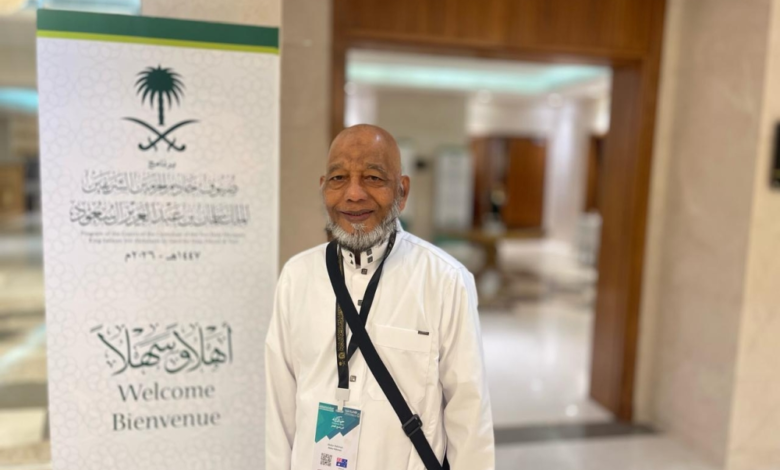

في مشهد يختزل مشاعر ملايين المسلمين بعد إتمام رحلتهم الإيمانية، وقف الحاج الأسترالي عبدالرحمن عبدو صامتاً، يودّع بنظراته الأخيرة مكة المكرمة والمشاعر المقدسة. لم تكن لحظة المغادرة عادية بالنسبة له، بل كانت مزيجاً من دموع الامتنان لإتمام الركن الخامس من أركان الإسلام، ولوعة الفراق لأطهر بقاع الأرض التي عاش فيها أعظم أيام حياته.
كان عبدو، أحد ضيوف برنامج خادم الحرمين الشريفين للحج والعمرة والزيارة، يراقب الحافلات وهي تستعد لنقل الحجاج إلى وجهاتهم التالية، وقلبه يرفض مغادرة المكان الذي احتضن دعواته وسجداته. حاول أن يخفي تأثره، لكن دموع الشوق والحب والامتنان كانت أسرع من كلماته، لتروي قصة ارتباط روحي عميق بهذه الأرض المباركة.
رحلة الحج: سياق تاريخي وأهمية دينية
تعتبر فريضة الحج، التي أتمها الحاج عبدالرحمن، رحلة ذات أبعاد تاريخية وروحانية عميقة، فهي الركن الخامس في الإسلام، وتجب على كل مسلم قادر مرة واحدة في العمر. تعود جذور هذه الشعيرة إلى عهد النبي إبراهيم عليه السلام، وتجتمع فيها الأمة الإسلامية من كل فج عميق، متجردين من كل مظاهر الدنيا، بلباس الإحرام الأبيض الذي يرمز إلى المساواة والوحدة. يمثل الحج تجسيداً حياً لوحدة المسلمين وتآخيهم، حيث يلتقي الملايين من مختلف الأعراق والثقافات واللغات على هدف واحد هو عبادة الله تعالى.
تأثير عالمي وتنظيم سعودي فريد
إن نجاح تنظيم موسم الحج سنوياً لا يقتصر تأثيره على المستوى المحلي، بل يمتد ليشمل العالم الإسلامي بأسره. فالمملكة العربية السعودية، بقيادة خادم الحرمين الشريفين الملك سلمان بن عبدالعزيز آل سعود وسمو ولي عهده الأمين الأمير محمد بن سلمان، تسخر كافة إمكانياتها البشرية والمادية لخدمة ضيوف الرحمن. ويعد “برنامج ضيوف خادم الحرمين الشريفين”، الذي تشرف عليه وزارة الشؤون الإسلامية والدعوة والإرشاد، أحد أبرز أوجه هذا الاهتمام، حيث يستضيف آلاف المسلمين من مختلف دول العالم، ويوفر لهم منظومة متكاملة من الخدمات التي تضمن لهم أداء مناسكهم بيسر وطمأنينة، مما يعزز مكانة المملكة كقلب نابض للعالم الإسلامي ورائدة في خدمته.
تجربة لا تُنسى
بصوت امتزجت فيه مشاعر الفرح بالحزن، قال الحاج عبدالرحمن: “جئت إلى هذه الرحلة وأنا أحمل أمنية الحج منذ سنوات طويلة، واليوم أغادر وقد منّ الله عليّ بتحقيقها. أشعر أن جزءاً من روحي سيبقى هنا، في مكة المكرمة والمشاعر المقدسة”. وأضاف أن أيام الحج كانت استثنائية بكل تفاصيلها، بدءاً من الوقوف على صعيد عرفات، مروراً بالمبيت في مزدلفة ومنى، ووصولاً إلى طواف الوداع. وأكد أن ما وجده من عناية فائقة وتنظيم دقيق وخدمات متكاملة جعل رحلته أكثر يسراً وطمأنينة.
ولم يغفل الحاج عن التعبير عن شكره وامتنانه العميق لخادم الحرمين الشريفين وسمو ولي عهده -حفظهما الله- على ما يقدمانه من رعاية واهتمام بضيوف الرحمن، مشيداً بالجهود الكبيرة التي تبذلها وزارة الشؤون الإسلامية في تنفيذ البرنامج ومتابعة الحجاج منذ وصولهم وحتى مغادرتهم، مؤكداً أن هذه الرحلة ستظل واحدة من أعظم الذكريات التي سيحملها معه طوال حياته.