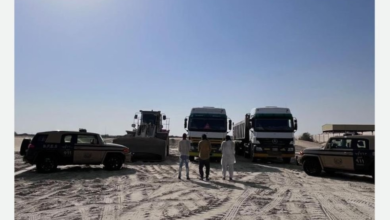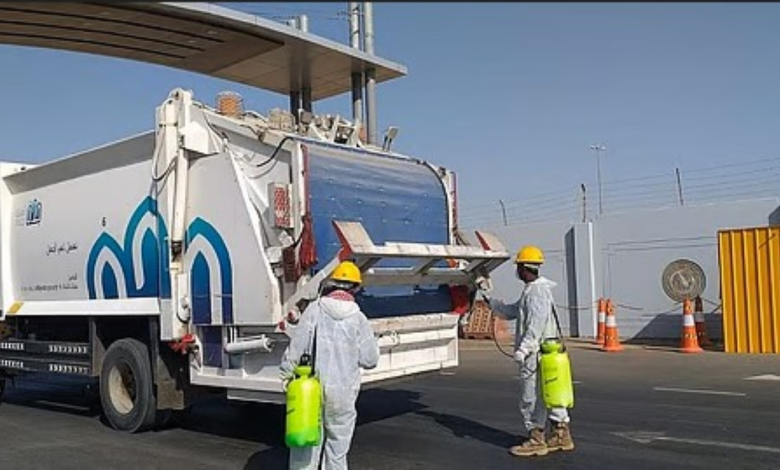
As part of its ongoing efforts to enhance environmental sanitation and improve the urban landscape, the Jeddah Municipality record-breaking results in cleaning and environmental treatment operations during November 2025. Official reports revealed the removal of approximately 1,191,562 tons of various types of waste, as part of its intensive operational plans aimed at improving the quality of life in the coastal city.
Details of field operations and waste management
A report from the Environmental Treatment Center of the General Directorate of Cleaning Projects indicated that the quantities of waste removed varied to include all sources of waste, reflecting the comprehensiveness of the municipality's plan to address environmental challenges. The statistical details of the completed work are as follows:
- Construction and demolition waste: This constituted the largest proportion of the waste removed, amounting to 1,038,447 tons, reflecting the significant urban development taking place in the governorate and the municipality's efforts to control project waste.
- Household solid waste: 89,528 tons were collected to ensure that residential areas are free of pollutants.
- Commercial waste: Amounted to 40,449 tons resulting from commercial activities and markets.
- Plant and large-scale debris: 17,419 tons were handled, in addition to 162 tons of seaweed to preserve the waterfronts.
Context of improving the urban landscape and Vision 2030
These intensive efforts by the Jeddah Municipality are fully aligned with the goals of the Kingdom's Vision 2030 , specifically within the "Quality of Life" program, which focuses on improving the urban environment and reducing visual pollution. As the gateway to the Two Holy Mosques and a major tourist destination, Jeddah is a key focus of public cleanliness projects to ensure a superior experience for both visitors and residents.
The removal of construction and demolition waste plays a pivotal role in eliminating the visual distortions that may result from urban expansion, while the removal of algae and plant waste contributes to maintaining the environmental and aesthetic balance of the Corniche and public gardens.
Environmental and health impact of operations
The importance of these works is not limited to aesthetics alone, but extends to protecting public health. The rapid and safe disposal of household and commercial waste (which also included 5,267 tons of slaughterhouse waste, tires, and other materials) prevents the breeding of pests and insects, reduces the emission of unpleasant odors, and enhances environmental safety standards in residential neighborhoods.
The Jeddah Municipality affirmed its determination to continue implementing its operational programs with high efficiency, calling on residents and business owners to cooperate continuously by adhering to the regulations and instructions regarding waste disposal, to ensure the sustainability of cleanliness and the improvement of the overall appearance of the governorate.