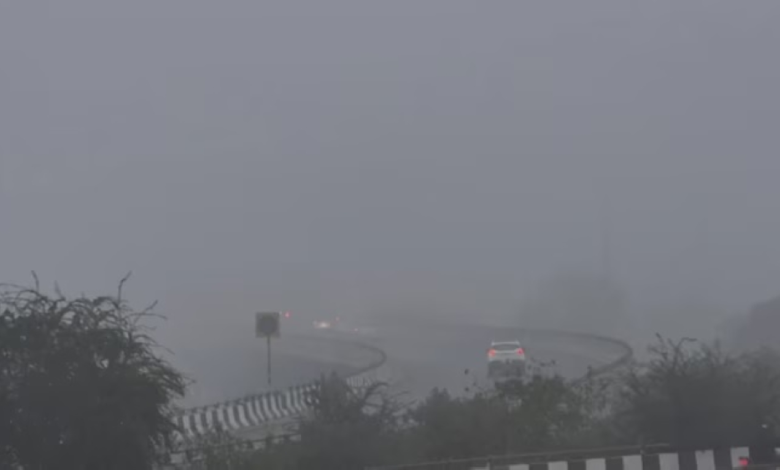
The National Center for Meteorology in Saudi Arabia issued weather conditions for the early hours of Wednesday morning, warning drivers and residents of several regions about weather phenomena that could affect daily life and traffic. The center indicated in its report the formation of fog of varying intensity covering large parts of five major regions in the Kingdom, urging caution.
According to early warning data, this weather phenomenon began at 1:00 AM and its effects are expected to continue until 8:00 AM. The effects of this weather system range from a significant reduction in horizontal visibility to 3-5 kilometers in some areas, while other locations may experience near-zero visibility of 1-3 kilometers, posing a significant challenge for drivers on highways and open roads.
Areas and cities affected by the weather conditions
The National Center for Meteorology has precisely identified the regions and governorates covered by the alert, which are as follows:
- Eastern Region: The alerts included the areas of (Al-Adeed) and (Dha’balouten), which are border and desert areas that are usually affected by morning weather fluctuations.
- Makkah Region: Fog was concentrated on the coastal and Tihami areas, including (Al-Ardiyat, Al-Qunfudhah, Al-Layth, Al-Muzaylif, Adham, Bani Yazid, Jadhma, and Yalamlam).
- Jazan region: The alerts included most of the region’s governorates, including (Farasan Island, Jazan City, Al Darb, Baysh, Abu Arish, Ahad Al Masarihah, Al Tuwal, Al Fatihah, Samtah, Sabya, and Damad).
- Asir region: The coastal and low-lying areas such as (Al-Barak, Al-Qahmah, Al-Majardah, Bariq, Rijal Alma’ and Mahayil) were affected.
- Al-Baha region: The alert included the Tihami sector of the region in (Al-Hajrah, Al-Makhwah, Far’ah Ghamid Al-Zanad, and Qalwah).
Safety guidelines and the importance of warnings
These warnings are particularly important given their timing during the early morning hours, the peak traffic period as employees and students head to work and school. Relevant authorities, including Civil Defense and Traffic Police, urge drivers to adhere to safe driving practices in foggy conditions. These practices include reducing speed, using fog lights (low beams) instead of high beams which can impair visibility, and maintaining a safe following distance to avoid rear-end collisions.
climatic and geographical context
Climatically, fog is a common natural phenomenon in these regions at this time of year, particularly in coastal areas bordering the Red Sea (such as Jazan, Tihama Asir, and the coasts of Mecca) and the desert regions of the Eastern Province. This occurs due to high surface humidity combined with low minimum temperatures in the early morning hours, leading to the condensation of water vapor in the air and the formation of fog clouds touching the ground.
Weather experts confirm that following official weather bulletins issued by the National Center for Meteorology is a fundamental step to ensure public safety, as the automated early warning system contributes to raising the level of preparedness of service agencies and citizens to deal with various climatic conditions with awareness and responsibility.