Pakistan witnessed another bloody day following a horrific suicide bombing targeting a Shia mosque, leaving dozens dead and wounded. The incident revived memories of deadly attacks targeting places of worship and religious gatherings in the country. According to security and medical sources, the death toll has risen to at least 30, while more than 130 others sustained injuries of varying severity, with fears that the number could rise further given the critical condition of some of the injured.
Details of the bloody attack
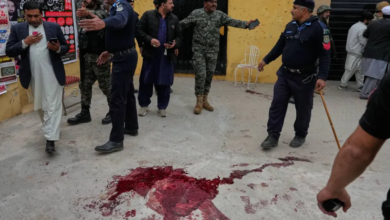
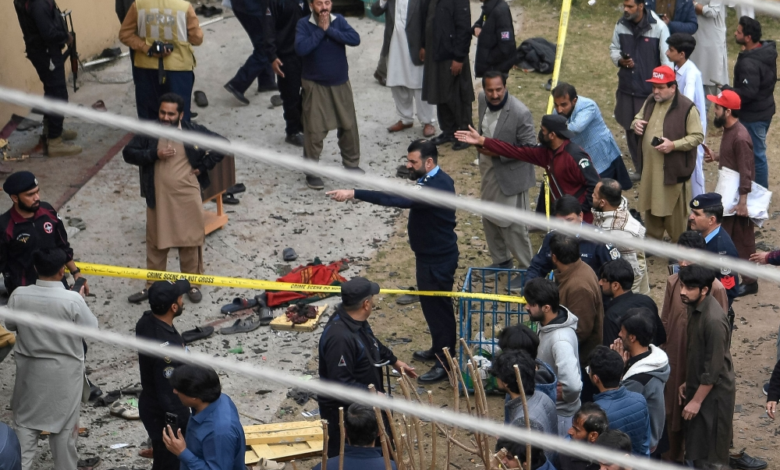
A senior Pakistani police official stated that the attack occurred immediately after Friday prayers, a time when the mosque is typically crowded with worshippers, explaining the high number of casualties. The official, who requested anonymity, explained that the suicide bomber managed to infiltrate the mosque and target worshippers as they were leaving and gathering, causing widespread devastation. Videos and photos that quickly spread across social media showed horrific scenes of bodies scattered near the main gate of the mosque and inside the prayer hall, amidst rubble and blood.
Security and medical alert
Ambulances and rescue teams rushed to the scene immediately, transporting the injured to nearby hospitals, which declared a state of maximum alert to accommodate the large number of casualties. Medical staff are facing significant challenges in dealing with this volume of critical injuries in such a short time, prompting urgent appeals for blood donations.
Reactions and security context
For his part, Pakistani Prime Minister Shehbaz Sharif condemned the brutal attack in the strongest terms, describing it as a cowardly act targeting the country's unity and stability. Sharif pledged to utilize all state resources to apprehend the planners and perpetrators and bring them to justice.
This attack comes amid escalating security challenges in Pakistan, where armed groups have recently become more active, targeting both religious minorities and security forces. Observers note that targeting mosques, particularly those belonging to the Shia minority, is a recurring tactic employed by extremist groups to incite sectarian strife and destabilize the country. This incident places additional pressure on the Pakistani government and security agencies to review their counterterrorism strategies and strengthen protection for holy sites and public gatherings, especially given the surrounding regional tensions.