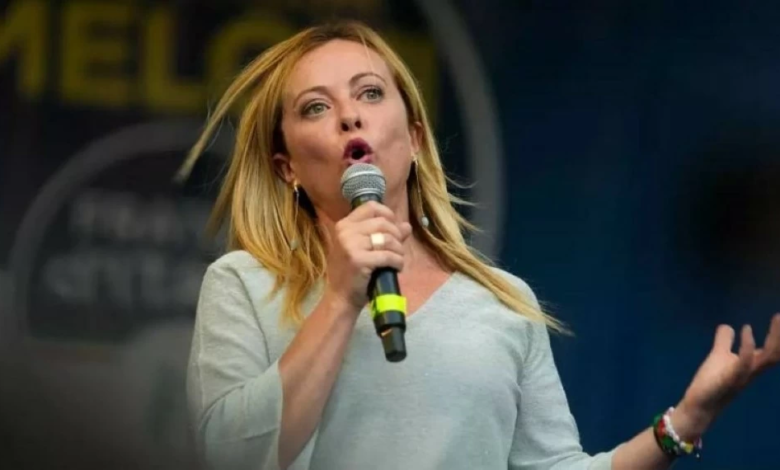
The Italian parliament approved the 2026 state budget today, following a last-minute vote that ended a period of intense infighting within the ruling coalition led by Prime Minister Giorgia Meloni. This budget is a true test of the cohesion of the right-wing government in Rome, as it includes a package of controversial fiscal measures aimed at balancing election promises with European financial commitments.
The budget, which prioritizes reducing the fiscal deficit, was approved by the House of Representatives by a majority of 216 votes to 126, reflecting the sharp political division over the country's economic vision.
Key budget items: taxes and deficit reduction
The new budget included significant changes to the tax structure, including a slight reduction in income tax to 33% from 35%, in an effort to ease the burden on the middle class. In return, the government approved spending increases of approximately €22 billion ($25.85 billion), targeting a fiscal deficit of 2.8% in 2026, a notable improvement compared to the government's previous forecast of a 3% deficit in 2025.
In the search for funding sources, approximately 25% of the total budget – between 5 and 6 billion euros – will come from new taxes imposed on banks and insurance companies, in addition to doubling the tax rate on stock transfers and other financial transactions. The government also took the significant step of raising the fixed tax on the income of wealthy foreigners wishing to relocate to Italy by 50%, bringing the threshold to 300,000 euros ($352,530) annually, representing a shift in its policy for attracting foreign investment.
Economic context and European pressures
This budget comes at a time when Italy, the eurozone's third-largest economy, faces increasing pressure to reduce its enormous public debt, which is among the highest in Europe. Meloni's government is under intense scrutiny from the European Commission and financial markets, as a commitment to deficit reduction is seen as a crucial signal to reassure investors and maintain financial stability in the eurozone.
In a surprise intervention just before the Christmas break and the budget's submission for a final vote, the government decided to allocate an additional 3.5 billion euros to support struggling businesses and industries, in a move aimed at stimulating economic growth and avoiding a possible recession.
Political controversy and opposition criticism
Prime Minister Giorgia Meloni described the approved budget as "a step toward building a stronger and more competitive Italy," asserting that her country could now look to the future with confidence. However, the plan faced sharp criticism from opposition parties.
For her part, the leader of the opposition Democratic Party, Ellie Schlein, launched a sharp attack on the budget, describing it as a “visionless austerity plan aimed at achieving zero economic growth,” warning that current policies could lead to the erosion of public services and an increase in social disparities.