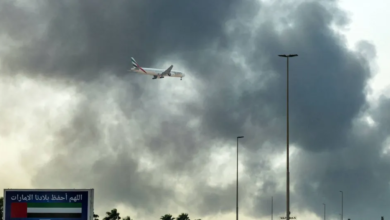
Saudi Arabia successfully destroys 7 ballistic missiles and 22 Houthi drones

Saudi air defenses successfully thwarted terrorist attacks
The Kingdom of Saudi Arabia announced that the Royal Saudi Air Defense Forces and the Coalition to Restore Legitimacy in Yemen successfully intercepted and destroyed seven ballistic missiles and 22 explosive-laden drones. These projectiles were launched by the Houthi terrorist militia in a systematic and deliberate manner to target civilian infrastructure and civilians in various regions of the Kingdom. This significant military achievement reaffirms the high level of competence and constant vigilance of the Saudi Armed Forces in protecting its territory, citizens, and residents from any external threats, thus thwarting the militia's desperate attempts to inflict loss of life and property.
General context and historical background of the Houthi attacks
These missile and explosive-laden drone attacks are part of a long series of ongoing hostile attempts by the Iranian-backed Houthi militias against the Kingdom's territory since the beginning of the Yemeni crisis and the Houthi coup against the legitimate authority in Sana'a. These militias use smuggled drone and ballistic missile technology in an attempt to destabilize the region. The Coalition to Support Legitimacy in Yemen, led by the Kingdom of Saudi Arabia, intervened in response to an official request from the legitimate Yemeni government, with the aim of restoring security and stability to Yemen and preventing the expansion of Iranian influence, which directly threatens international maritime security in the Red Sea and the strategic Bab al-Mandab Strait.
The importance of the event and its local, regional, and international impact
Domestically, this successful and sustained response demonstrates the capability and superiority of Saudi air defense systems, such as Patriot missiles and other advanced military technologies, in neutralizing aerial threats and protecting vital infrastructure, civilian airports, and populated areas. This success enhances the sense of security and stability for both citizens and residents. Regionally, the continuation of these terrorist attacks reflects the intransigence of the Houthi militias and their outright rejection of peaceful solutions and political initiatives proposed to end the conflict, posing a direct threat to the security of the Gulf Cooperation Council (GCC) states and the stability of the Middle East region.
Internationally, these Houthi attacks have been widely and repeatedly condemned by the international community, including the United Nations, the United States, the European Union, the League of Arab States, and the Organization of Islamic Cooperation. These international bodies consistently affirm the Kingdom's legitimate right to defend its territory. Furthermore, targeting areas that may contain vital economic and oil facilities poses a clear threat to the security of global energy supplies and the global economy as a whole. This explains the growing international concern regarding the continued supply of sophisticated weapons to these militias, in blatant violation of UN Security Council resolutions, particularly Resolution 2216, which prohibits the supply of weapons to militias.
The Kingdom's commitment to peace and defending its territory
In conclusion, the Kingdom of Saudi Arabia reaffirms its full and legitimate right to take all necessary deterrent measures to protect its national assets and gains, in accordance with international humanitarian law and its customary rules. At the same time, the Kingdom continues to lead and support international and UN efforts aimed at achieving a comprehensive and sustainable political solution to the Yemeni crisis, one that guarantees an end to the humanitarian suffering of the brotherly Yemeni people and achieves lasting security and peace throughout the region, free from destructive foreign interference.