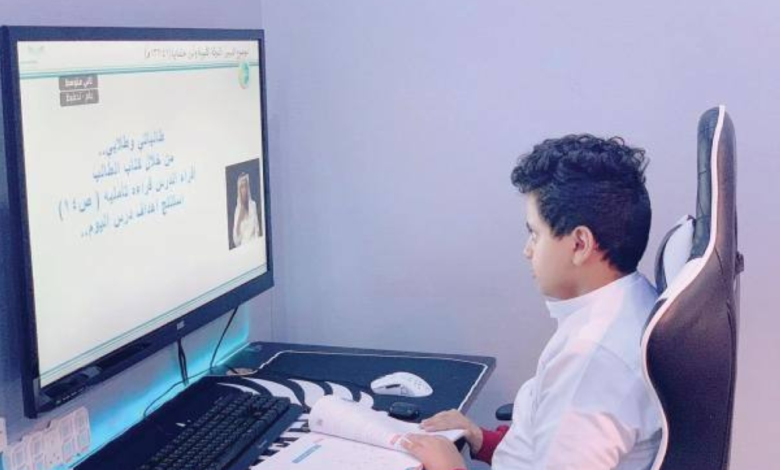
The Saudi Ministry of Education has approved a new and stricter technical and organizational protocol aimed at regulating the standards of "remote electronic exams" for students with special needs, as part of the general procedural guide for the academic year 1447 AH (2025 CE). This step aims to impose precise digital oversight to ensure the integrity of the educational process. The regulations include mandating the operation of cameras and microphones throughout the exam period, as well as adherence to the official dress code, to guarantee a home-based exam environment that is comparable in discipline to traditional school halls.
A home testing environment with institutional standards
The new regulations set precise standards for creating a suitable home testing environment, requiring students to have a completely secluded and quiet place with clear and continuous lighting. The ministry also stipulated that the area must be free of any additional electronic devices or other people who might arouse suspicion or doubt during the test session, reflecting the ministry's commitment to closing any loopholes that could compromise the integrity of the assessment.
Digital surveillance and identity verification
To enhance reliability, the Ministry mandated the continuous operation of the camera and microphone from the start of the exam until the submission of the answer. Instructions stipulated that students must focus exclusively on the exam screen and maintain complete silence to prevent any behavior that could be interpreted as cheating. The protocol also required students to clearly display their national ID or identification card in front of the camera before beginning the exam for digital verification, with a warning of severe penalties for impersonation or sharing login credentials.
The context of digital transformation and the quality of education
These stringent measures are an extension of the Kingdom's successes in e-learning and the accelerated pace of digital transformation in recent years, and are in line with the goals of Vision 2030 to enhance educational outcomes. Having proven the effectiveness of educational platforms, the focus has now shifted to "assessment rigor." These requirements aim to ensure that the grades awarded to distance learning students accurately and fairly reflect their true abilities, thus preserving the value of academic degrees and the credibility of the Saudi education system both locally and regionally.
Technical procedures to ensure fairness
The instructions required students to conduct a thorough visual survey of their seating area and surroundings via camera at the start of the session, providing immediate and documented proof that the location was free of any unauthorized aids. The guidelines also emphasized the importance of maintaining a professional appearance and adhering to the "official dress code" during the live broadcast, reflecting the seriousness of the educational situation and respect for the sanctity of the educational process.
On the technical side, the regulations addressed potential challenges, granting teachers exceptional authority to allow students to retake the exam if they encounter a technical issue during the first half of the allotted time. The Ministry also directed school administrations to schedule urgent alternative exam dates in the event of widespread technical malfunctions, compensating students who experience technical difficulties with additional time, or referring their cases to the emergency exam committee as excused absences if necessary. This ensures the protection of students' rights and guarantees equal opportunities.